
The metals industry is undergoing a significant transformation as it seeks to balance economic growth with environmental responsibility. At the heart of this shift is the role of innovation in sustainable metallurgy, which is driving new processes, materials, and business models that reduce waste, conserve resources, and minimize emissions. As global demand for metals continues to rise, finding ways to make production and recycling more sustainable has become a top priority for manufacturers, policymakers, and researchers alike.
This article examines how technological advances and creative approaches are reshaping the way metals are sourced, processed, and reused. We’ll explore practical examples, highlight key benefits, and discuss the challenges that remain on the path to greener metal production. For those interested in practical applications, related topics such as best practices for stamping coated steels also play a crucial role in minimizing environmental impact throughout the metalworking lifecycle.
Driving Forces Behind Green Metallurgical Solutions
The push for more sustainable practices in metallurgy is fueled by several factors. Regulatory pressures, consumer demand for eco-friendly products, and the need to reduce operational costs have all contributed to a surge in research and development. Companies are increasingly aware that adopting innovative solutions not only helps the environment but also offers a competitive edge.
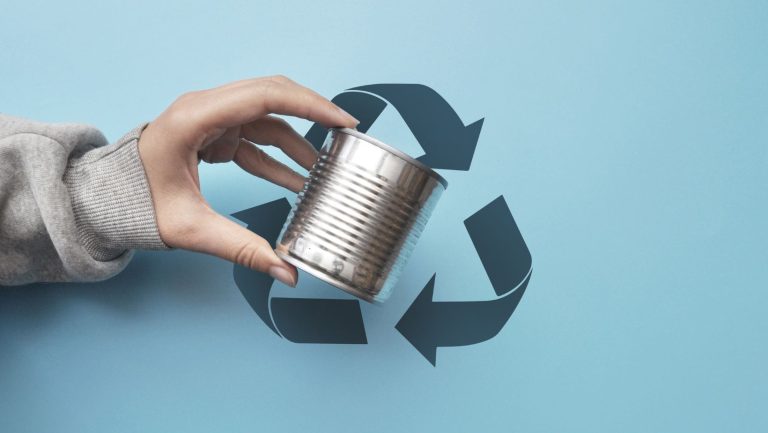
One of the most significant trends is the integration of circular economy principles. By designing processes that prioritize recycling and reuse, the industry can reduce its reliance on virgin raw materials and decrease the environmental footprint of metal production. For example, the use of advanced sorting and separation technologies allows for more efficient recovery of valuable metals from scrap, making recycling a viable alternative to traditional mining.
Technological Advances in Eco-Friendly Metal Processing
Modern metallurgy is seeing a wave of technological breakthroughs that are making metal production cleaner and more efficient. Some of the most impactful innovations include:
- Hydrometallurgical processes: These methods use aqueous solutions to extract metals, reducing the need for high-temperature smelting and lowering greenhouse gas emissions.
- Electrochemical techniques: By using electricity to drive chemical reactions, these processes can recover metals from ores or waste streams with minimal environmental impact.
- Digitalization and automation: Smart sensors, AI, and machine learning enable real-time monitoring and optimization of production lines, reducing waste and energy consumption.
- Alternative reducing agents: Replacing carbon-based agents with hydrogen or biomass can significantly cut CO2 emissions in steelmaking and other metal industries.
Resource Efficiency and Waste Reduction
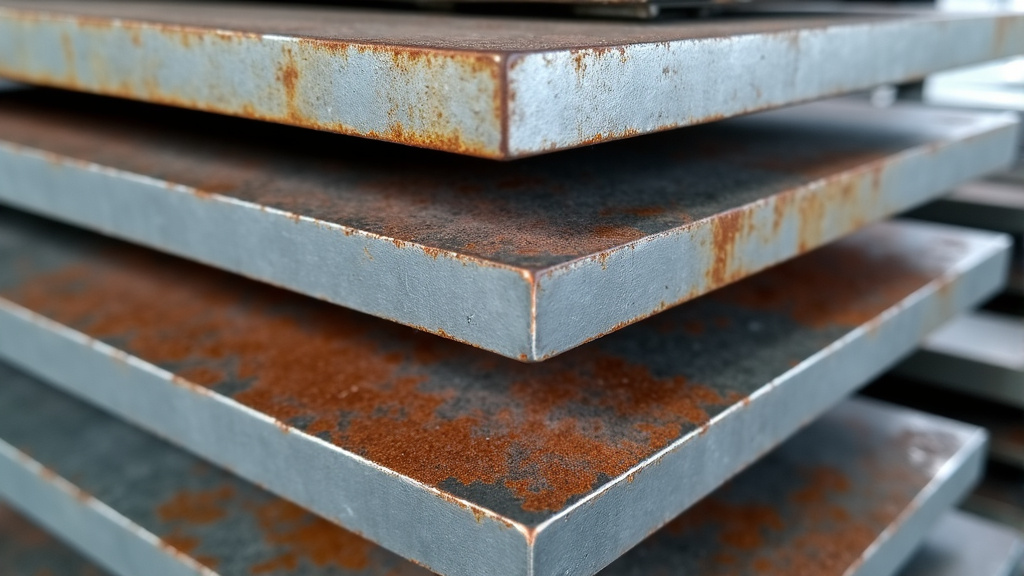
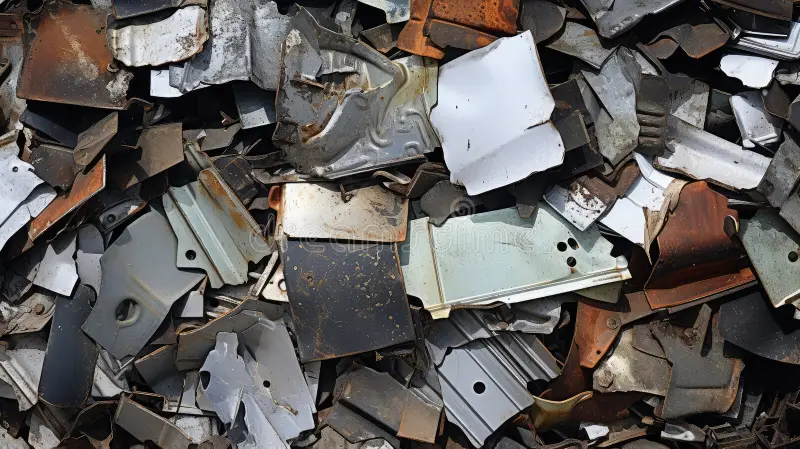
Reducing waste is a cornerstone of sustainable metallurgy. Innovative recycling and upcycling methods are enabling the industry to recover more value from end-of-life products and industrial scrap. For instance, new shredding and sorting technologies can separate different types of metals with high precision, making it easier to reintroduce them into the production cycle.
Companies are also exploring ways to utilize by-products and residues from metal processing. Slag, dust, and other waste streams can often be processed into useful materials for construction, road building, or even as input for other industrial processes. These approaches not only reduce landfill use but also lower the demand for virgin resources.
Recycling and the Circular Economy
The transition to a circular economy is a defining feature of modern sustainable metallurgy. By keeping materials in use for as long as possible, the industry can drastically reduce its environmental impact. Innovations in collection, sorting, and processing are making it easier to recycle metals from a wide range of products, from vehicles and appliances to electronics and packaging.
According to an introduction to metal recycling, recycled metals require significantly less energy to produce compared to those made from raw ore. This not only conserves natural resources but also cuts down on emissions and pollution. As recycling technologies continue to improve, the quality and purity of secondary metals are reaching levels that rival or even surpass those of primary materials.
Challenges and Opportunities for the Future
While progress has been substantial, several challenges remain. The complexity of modern products, which often contain multiple types of metals and non-metallic components, can make recycling difficult. Economic factors, such as fluctuating commodity prices and the cost of new technologies, also influence the pace of adoption.
However, the opportunities are vast. Collaboration across industries, investment in research and development, and supportive policy frameworks can accelerate the shift toward greener practices. For example, adopting steel stamping edge quality optimization not only improves product performance but also reduces waste during manufacturing.
Practical Applications in Metalworking
The impact of sustainable metallurgy extends to everyday operations in metalworking facilities. From improving stamping processes to managing by-products, innovation is helping companies achieve both environmental and economic goals. For instance, implementing how to manage lubrication runoff in stamping can significantly reduce water pollution and improve workplace safety.
Training operators in new technologies and best practices is also essential. Resources like how to train operators for steel stamping safety ensure that staff are equipped to handle advanced machinery and processes, further supporting the industry’s sustainability goals.
FAQ
What are the main benefits of sustainable metallurgy?
Sustainable metallurgy reduces environmental impact by lowering emissions, conserving natural resources, and minimizing waste. It also helps companies comply with regulations, improve efficiency, and enhance their reputation among customers and stakeholders.
How does innovation contribute to greener metal production?
Innovation introduces new technologies and processes that make metal production cleaner and more efficient. Examples include advanced recycling methods, digital monitoring, and alternative energy sources, all of which help reduce the industry’s carbon footprint.
Can recycled metals match the quality of primary metals?
Yes, advances in recycling technology have made it possible to produce secondary metals that are as pure and high-quality as those made from raw materials. In some cases, recycled metals even outperform their primary counterparts in certain applications.