
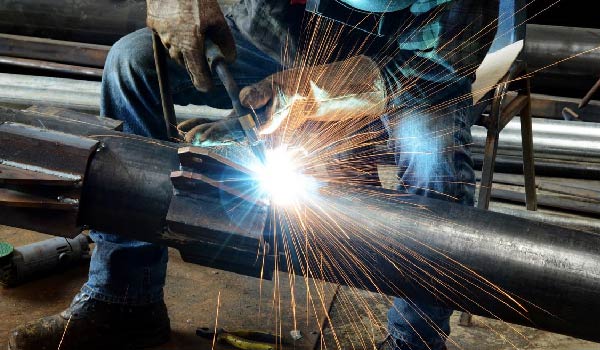
The integration of robotics in metal fabrication efficiency is transforming the manufacturing landscape. Automated systems are now essential for companies aiming to improve productivity, reduce errors, and stay competitive. As the demand for precision and speed increases, leveraging robotics and automation has become a strategic necessity rather than a luxury. This article explores practical strategies for implementing robotics in metalworking environments, highlighting how automation can streamline operations, cut costs, and enhance quality.
Adopting robotics is not just about installing new machines; it requires a thoughtful approach to workflow, staff training, and process optimization. By understanding the key benefits and challenges, fabricators can make informed decisions that drive sustainable growth. For those interested in broader industry innovations, exploring topics like innovations in metal recycling technology can provide additional context on how automation is shaping the future of metal manufacturing.
How Automation Is Transforming Metal Fabrication
The adoption of robotics in metalworking has led to a significant shift in how fabrication shops operate. Automated systems can handle repetitive and hazardous tasks, freeing human workers to focus on more complex and value-added activities. This transition not only boosts efficiency in metal fabrication but also improves workplace safety and product consistency.
Key areas where automation is making an impact include:
- Welding: Robotic welders deliver precise, repeatable welds, minimizing defects and reducing rework.
- Material Handling: Automated guided vehicles (AGVs) and robotic arms move heavy materials safely and efficiently.
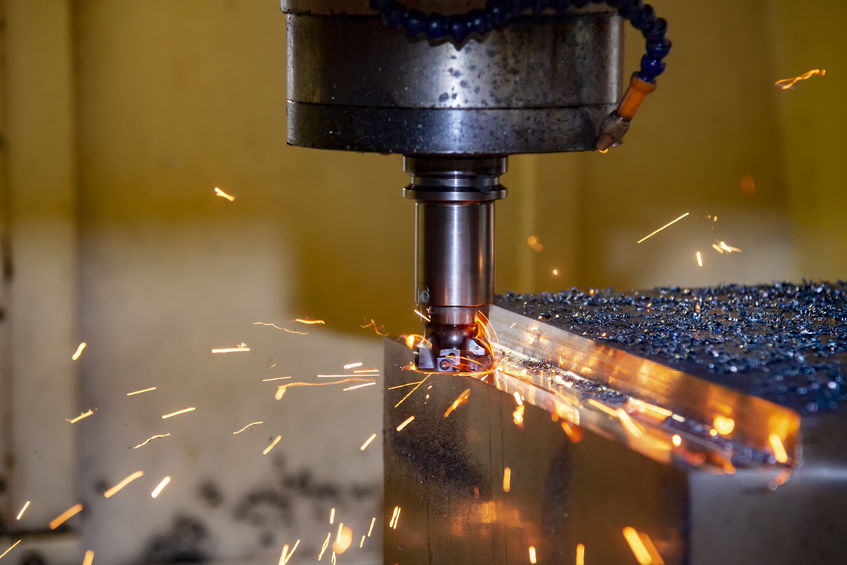
- Cutting and Bending: CNC machines and robotic press brakes ensure accurate cuts and bends, reducing material waste.
- Inspection: Vision systems and sensors automate quality control, catching defects early in the process.
By integrating these technologies, companies can achieve higher throughput, lower operational costs, and better product quality.
Key Benefits of Robotics for Fabrication Workflows
Implementing automation in metalworking processes brings a range of advantages. Here are some of the most notable benefits:
- Increased Productivity: Robots can operate continuously, enabling 24/7 production and faster turnaround times.
- Enhanced Precision: Automated systems minimize human error, ensuring consistent quality across batches.
- Improved Safety: Dangerous tasks such as plasma cutting or heavy lifting are handled by machines, reducing workplace injuries.
- Cost Savings: While the upfront investment can be significant, automation reduces labor costs and material waste over time.
- Scalability: Automated cells can be expanded or reconfigured as production needs change.
For organizations focused on sustainability, robotics can also support initiatives like future of sustainable metal manufacturing by optimizing resource use and minimizing scrap.
Best Practices for Boosting Efficiency with Robotics
To maximize the value of robotics in metal fabrication efficiency, it’s important to follow proven strategies. Here are some practical tips for successful automation:
- Start with a Process Audit: Analyze your current workflows to identify bottlenecks and repetitive tasks that are ideal for automation.
- Choose the Right Equipment: Select robots and machines that match your production needs, considering payload, speed, and precision requirements.
- Integrate with Existing Systems: Ensure new automation solutions can communicate with your current software and machinery for seamless operation.
- Invest in Employee Training: Equip your team with the skills needed to operate, maintain, and troubleshoot automated systems.
- Monitor and Optimize: Use data from sensors and control systems to track performance and continuously improve processes.
Companies that follow these steps often see rapid improvements in throughput and product quality. For more on process optimization, consider reading about value stream mapping metals industry as a complementary approach.
Overcoming Common Challenges in Automation
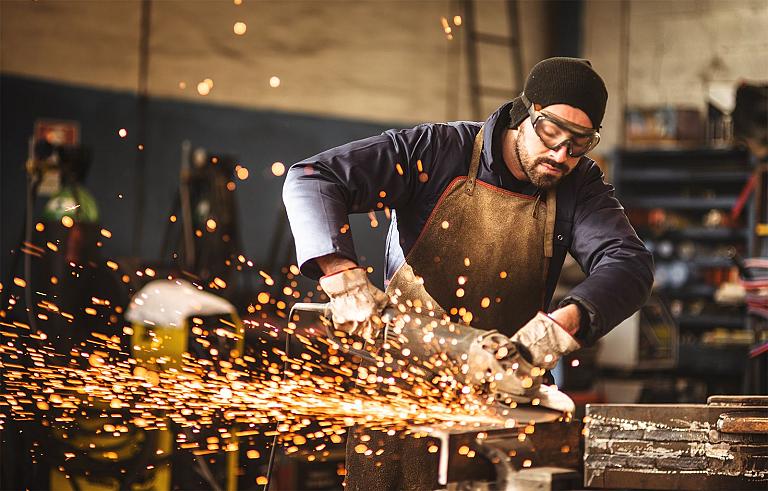
While the benefits are clear, implementing robotics in metalworking comes with its own set of challenges. Understanding and addressing these issues is crucial for a smooth transition:
- High Initial Investment: The cost of robots and integration can be substantial. However, many companies recoup these expenses through long-term savings and increased output.
- Workforce Adaptation: Employees may need to learn new skills or shift roles. Providing comprehensive training helps ease this transition.
- System Integration: Ensuring that new automation works seamlessly with legacy equipment and software can require careful planning and technical expertise.
- Maintenance and Downtime: Regular maintenance schedules and having spare parts on hand can minimize disruptions.
Addressing these challenges head-on allows organizations to fully realize the advantages of automation and robotics in their fabrication processes.
Automation and Sustainability in Metalworking
Robotics not only improves operational efficiency but also supports sustainability goals. Automated systems can optimize resource usage, reduce energy consumption, and minimize waste. For example, precise robotic cutting and welding reduce scrap rates, while automated scheduling ensures machines run only when needed.
For those interested in the environmental impact of automation, the article on sustainability and recycling in the metallurgy industry provides valuable insights into how technology is driving greener practices.
Additionally, integrating robotics with energy-saving initiatives, such as waste heat recovery in steel plants, can further enhance both efficiency and environmental performance.
Frequently Asked Questions
What types of fabrication tasks benefit most from robotics?
Tasks that are repetitive, hazardous, or require high precision—such as welding, cutting, material handling, and inspection—are ideal candidates for automation. Robotics can also be used in assembly and packaging within metalworking environments.
How can small and medium-sized shops afford automation?
While the initial investment can be high, many automation solutions are now scalable and modular, allowing smaller shops to start with a single robotic cell and expand as needed. Leasing options and government incentives may also help offset costs.
Does automation eliminate jobs in metal fabrication?
Automation often shifts the nature of work rather than eliminating jobs. Employees may move from manual tasks to roles in programming, maintenance, and quality control. Upskilling and training are key to ensuring a smooth transition for the workforce.
Conclusion
The use of robotics in metal fabrication efficiency is rapidly becoming the standard for manufacturers seeking to stay ahead in a competitive market. By embracing automation, companies can achieve higher productivity, improved quality, and greater sustainability. With careful planning and ongoing optimization, the benefits of robotics can be realized across operations of all sizes. As technology continues to evolve, staying informed and adaptable will be critical for long-term success in the metalworking industry.