
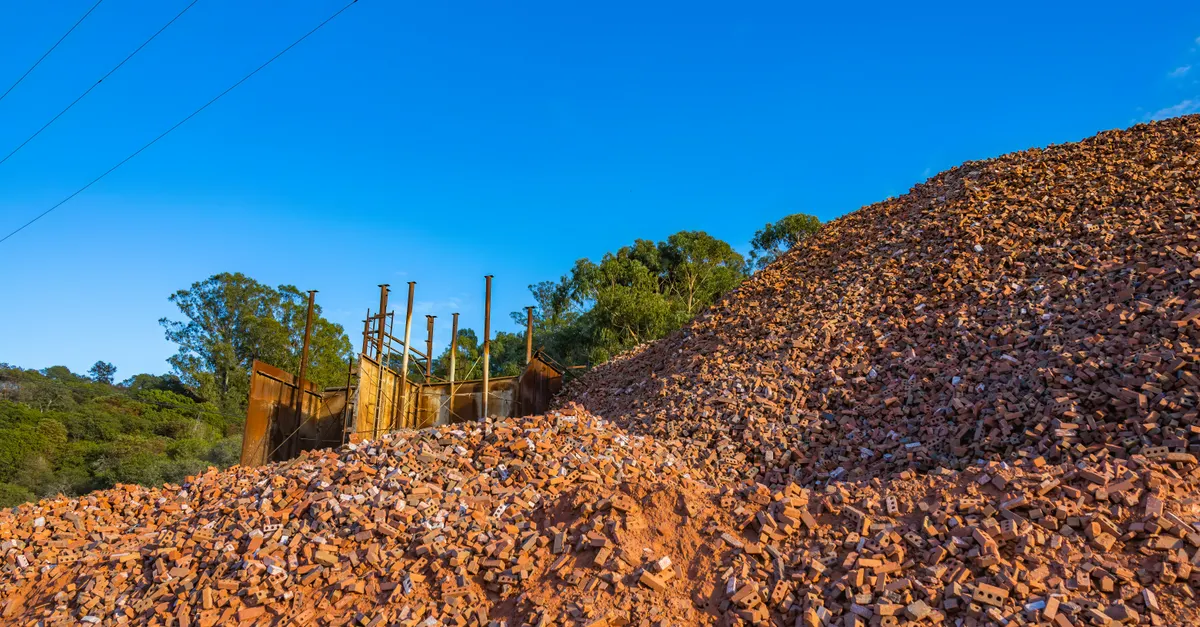
As sustainability becomes a central focus in the building industry, the use of recycled materials in architecture is gaining momentum. Architects and developers are increasingly seeking ways to minimize environmental impact, reduce waste, and create innovative structures that reflect a commitment to responsible resource use. This shift is not only about environmental stewardship but also about rethinking design, construction, and even the economics of building for the future.
The Environmental and Aesthetic Benefits of Recycled Materials
One of the most significant advantages of incorporating recycled materials in architecture is the reduction of environmental impact from the earliest stages of a project. According to industry sources, using recycled-content materials helps lower embodied carbon—the total greenhouse gas emissions generated during the production and transport of building materials. This approach also reduces resource consumption, as fewer raw materials are extracted from the earth, and less waste ends up in landfills.
Beyond environmental benefits, recycled materials offer unique aesthetic possibilities. Architects can use reclaimed wood, recycled glass, or repurposed metals to create visually striking designs that tell a story of transformation and innovation. For example, incorporating panels made from post-consumer plastics or bricks salvaged from demolished buildings can add texture and character to modern structures. These choices not only support sustainability but also allow for creative expression and differentiation in architectural projects.
Some advanced materials, such as Krion® K-Life 1100, demonstrate how recycled content can be engineered for durability and visual appeal. Such products are designed to meet high performance standards while contributing to a building’s sustainable profile. The integration of recycled materials thus supports both the functional and artistic goals of contemporary architecture.
Common Types of Recycled Materials Used in Building Design
The range of recycled materials available to architects continues to expand. Some of the most commonly used options include:
- Reclaimed wood: Salvaged from old structures, this material is prized for its character and strength.
- Recycled metals: Steel and aluminum can be reprocessed multiple times without losing quality, making them ideal for structural and decorative applications.
- Recycled glass: Used in tiles, countertops, and facades, recycled glass brings color and light into buildings.
- Recycled concrete and masonry: Crushed concrete from demolition sites is reused as aggregate in new construction, reducing the need for virgin materials.
- Plastic composites: Post-consumer plastics are transformed into durable panels, insulation, or even structural elements.
These materials are selected not only for their environmental credentials but also for their performance characteristics and compatibility with modern design requirements. The choice often depends on project goals, local availability, and the desired look and feel of the finished space.
Challenges in Implementing Recycled Materials
Despite the clear benefits, architects face several challenges when integrating recycled materials into their designs. One key issue is the distinction between materials that are recycled (made from previously used content) and those that are recyclable (can be recycled in the future). This distinction is crucial for making informed specification decisions, as not all recyclable materials contain recycled content, and vice versa.
Technical challenges can also arise. Recycled materials may have variable quality, inconsistent supply, or require special handling during construction. For example, reclaimed wood might need to be treated for pests or contaminants, while recycled metals must meet strict structural standards. Performance concerns, such as durability or weather resistance, can influence material selection and design choices.
Cost is another consideration. While some recycled materials are competitively priced, others may be more expensive due to processing, certification, or transportation costs. Architects must weigh these factors against the sustainability goals of the project and the expectations of clients and stakeholders.
Pros:
- Reduces environmental impact and waste
- Supports sustainable design practices
- Offers unique aesthetic possibilities
Cons:
- Potential for higher upfront costs
- Variable quality and supply
- May require additional technical expertise
Economic Implications of Using Recycled Materials
The economic impact of using recycled materials in architecture is multifaceted. On one hand, these materials can help lower long-term costs by reducing waste disposal fees and sometimes qualifying projects for green building incentives or certifications. For example, buildings that use recycled-content materials may earn points toward LEED or Cradle to Cradle certification, which can enhance property value and marketability.
However, initial costs can be unpredictable. Some recycled materials, especially those requiring extensive processing or transportation, may be more expensive than conventional alternatives. The need for specialized labor or equipment can also add to project budgets. Yet, as demand grows and supply chains mature, prices for many recycled products are becoming more competitive.
Another economic factor is the potential for lifecycle savings. Durable recycled materials can reduce maintenance and replacement costs over time. Adaptive reuse—repurposing existing structures or materials—can also lower demolition and construction expenses. Developers and architects must consider both upfront investments and long-term returns when deciding whether to use recycled materials.
Ultimately, the economic feasibility depends on project scale, location, material availability, and the specific sustainability goals set by the client or regulatory bodies. A careful cost-benefit analysis is essential to ensure that the use of recycled materials aligns with both environmental and financial objectives.
Real-World Examples of Recycled Materials in Modern Projects
Across the globe, innovative projects are showcasing the creative use of recycled materials in building design. For instance, some urban developments have incorporated reclaimed brick and timber from demolished sites, giving new life to materials that would otherwise be discarded. Others utilize recycled steel for structural frames, combining strength with sustainability.
In residential architecture, recycled glass tiles and countertops are popular for their vibrant appearance and eco-friendly profile. Commercial buildings may feature facades made from repurposed aluminum panels or insulation derived from post-consumer plastics. These choices not only reduce the environmental footprint but also demonstrate a commitment to responsible design.
One notable trend is the integration of recycled materials with other sustainable strategies, such as energy-efficient systems and lightweight metals in green architecture. This holistic approach maximizes the benefits of each component and sets a benchmark for future developments.
How Recycled Materials Contribute to Sustainability
The use of recycled materials directly supports the broader goals of sustainable architecture. By lowering embodied carbon and reducing resource consumption, these materials help mitigate the environmental impact of construction. They also encourage the development of circular economies, where materials are reused and repurposed rather than discarded.
Furthermore, specifying products with Environmental Product Declarations (EPDs) or Cradle to Cradle certification ensures transparency and accountability in material sourcing. This empowers architects and clients to make informed choices that align with their sustainability values.
As more projects demonstrate the viability and benefits of recycled materials, their adoption is likely to accelerate. This shift not only benefits the environment but also positions architects and developers as leaders in responsible design.

Conclusion: Looking Ahead to a Sustainable Future
The integration of recycled materials is reshaping the architectural landscape, offering tangible environmental, aesthetic, and economic benefits. While challenges remain, ongoing innovation and a growing commitment to sustainability are driving progress. Architects who embrace recycled-content materials are not only reducing their projects’ ecological footprint but also contributing to a more resilient and resource-efficient built environment. As the industry continues to evolve, the thoughtful use of recycled materials will play an increasingly vital role in shaping the cities and communities of tomorrow.
Frequently Asked Questions
What are the main benefits of using recycled materials in building design?
Recycled materials help lower environmental impact by reducing embodied carbon and conserving natural resources. They also offer unique design possibilities and can support green building certifications.
What challenges might architects face when specifying recycled materials?
Challenges include variable quality, inconsistent supply, potential for higher initial costs, and the need to distinguish between recycled and recyclable materials. Technical expertise may also be required to ensure proper use and performance.
How do recycled materials affect the sustainability of a project?
By minimizing resource extraction and waste, recycled materials support sustainable construction practices. They contribute to lower greenhouse gas emissions and promote a circular economy within the building industry.