
The reusable packaging fabrication industry is transforming how businesses approach logistics, sustainability, and cost efficiency. As organizations across manufacturing, automotive, retail, and e-commerce sectors seek ways to minimize waste and optimize supply chains, the demand for robust, reusable packaging has never been higher. This article explores the latest solutions, technologies, and best practices shaping this dynamic field, focusing on how companies can benefit from adopting reusable packaging systems.
From material selection to advanced fabrication methods, understanding the nuances of this sector is essential for businesses aiming to reduce environmental impact and improve operational efficiency. For those interested in related manufacturing processes, exploring topics like how to optimize scrap chute angles can further enhance production workflows and material handling.
Key Drivers Behind the Shift to Reusable Packaging
Several factors are propelling the shift toward reusable packaging solutions within fabrication and supply chain industries:
- Sustainability Goals: Companies are under increasing pressure to reduce single-use plastics and packaging waste. Reusable systems help meet environmental targets and regulatory requirements.
- Cost Savings: Although the initial investment in reusable packaging can be higher, long-term savings are realized through reduced material costs and lower waste disposal fees.
- Operational Efficiency: Durable packaging can withstand multiple cycles, reducing downtime caused by damaged containers and improving handling speed.
- Brand Image: Adopting eco-friendly packaging enhances a company’s reputation among environmentally conscious consumers and partners.
Materials and Fabrication Techniques in Modern Reusable Packaging
The reusable packaging fabrication industry leverages a variety of materials and advanced manufacturing methods to create containers that are both sturdy and sustainable. Common materials include:
- Steel and Aluminum: Known for their strength and recyclability, metals are widely used for industrial containers, racks, and pallets.
- High-Density Polyethylene (HDPE): This plastic offers excellent durability, chemical resistance, and is easily cleaned for repeated use.
- Corrugated Plastics: Lightweight yet strong, these materials are ideal for custom totes and bins.
- Composite Materials: Combining fibers and resins, composites provide a balance of strength, weight, and longevity.
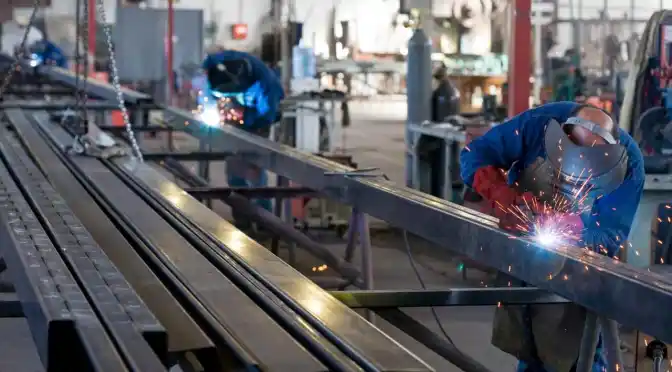
Fabrication techniques such as welding, injection molding, and CNC machining enable the creation of custom packaging solutions tailored to specific product requirements. For instance, precision in steel fabrication ensures containers meet exact load and durability standards.

Innovative Solutions in the Reusable Packaging Fabrication Sector
Innovation is at the heart of the reusable packaging sector. Companies are investing in design and technology to create smarter, more adaptable packaging systems. Some notable advancements include:
- Modular Designs: Stackable and collapsible containers save space during return transport and storage.
- RFID and IoT Integration: Smart packaging equipped with tracking technology improves inventory management and reduces losses.
- Custom Inserts and Dunnage: Tailored interiors protect delicate or irregularly shaped products, reducing damage during transit.
- Easy-to-Clean Surfaces: Smooth, non-porous materials facilitate sanitation, which is crucial for industries like food and pharmaceuticals.
These innovations not only improve efficiency but also extend the usable life of packaging assets, further enhancing sustainability and cost-effectiveness.
Best Practices for Implementing Reusable Packaging Systems
Adopting reusable packaging requires careful planning and execution. Here are some best practices for successful implementation:
- Conduct a Packaging Audit: Assess current packaging usage, waste streams, and logistics to identify opportunities for reusable solutions.
- Engage Stakeholders: Involve procurement, logistics, and sustainability teams early in the process to ensure buy-in and smooth adoption.
- Choose the Right Materials: Select materials that match the durability, weight, and hygiene requirements of your products and supply chain.
- Standardize Where Possible: Standard container sizes and designs simplify handling, storage, and return logistics.
- Plan for Reverse Logistics: Establish efficient systems for collecting, cleaning, and redistributing reusable packaging.
- Monitor and Optimize: Use data from tracking systems to refine processes and maximize return on investment.
For those working with metal packaging, understanding steel stamping material yield strength considerations can help in selecting the right fabrication methods and materials for long-lasting containers.
Environmental and Economic Impact of Reusable Packaging
The environmental benefits of reusable packaging are well documented. By reducing reliance on single-use materials, companies can significantly decrease landfill waste and carbon emissions. According to a recent study on the life cycle assessment of reusable packaging, these systems can lower environmental footprints when properly managed over multiple cycles.
From an economic perspective, the cost savings extend beyond materials. Reduced labor for waste handling, fewer product damages, and improved logistics efficiency all contribute to a stronger bottom line. Additionally, companies that prioritize reusable solutions are better positioned to comply with evolving regulations and meet customer expectations for sustainability.
Challenges and Considerations in the Reusable Packaging Fabrication Industry
While the advantages are clear, there are challenges to consider when transitioning to reusable packaging:
- Initial Investment: Upfront costs for durable containers and reverse logistics infrastructure can be significant.
- Asset Management: Tracking and maintaining reusable packaging requires robust systems to prevent loss and ensure timely returns.
- Cleaning and Sanitation: Especially in food and pharmaceutical sectors, maintaining hygiene standards is critical and may require specialized equipment.
- Customization vs. Standardization: Balancing the need for custom solutions with the efficiencies of standard designs can be complex.
Companies can mitigate these challenges by leveraging technology, collaborating with supply chain partners, and continuously evaluating their packaging strategies. For example, adopting best practices for stamping coated steels can improve the durability and performance of metal packaging components.
Future Trends in Sustainable Packaging Fabrication
The future of the reusable packaging fabrication industry is shaped by ongoing innovation and a growing commitment to sustainability. Key trends to watch include:
- Advanced Materials: Development of lighter, stronger, and more recyclable materials will further enhance the performance of reusable packaging.
- Automation: Automated cleaning, sorting, and tracking systems will streamline reverse logistics and reduce labor costs.
- Circular Economy Models: Companies are increasingly designing packaging with end-of-life recycling and repurposing in mind, closing the loop on material use.
- Regulatory Evolution: Governments worldwide are introducing stricter packaging waste regulations, accelerating the shift to reusable systems.
Staying ahead of these trends will require ongoing investment in research, technology, and collaboration across the supply chain.
FAQ: Common Questions About Reusable Packaging Fabrication
What are the main benefits of switching to reusable packaging?
Switching to reusable packaging reduces waste, lowers long-term costs, improves supply chain efficiency, and supports sustainability goals. It also enhances brand reputation and helps companies comply with environmental regulations.
How can companies ensure the cleanliness of reusable packaging?
Implementing standardized cleaning protocols, using easy-to-clean materials, and investing in automated washing systems are effective ways to maintain hygiene. Regular inspections and staff training also help ensure compliance with industry standards.
Is reusable packaging suitable for all industries?
While reusable packaging is widely applicable, its suitability depends on factors such as product type, supply chain complexity, and regulatory requirements. Industries with high-volume, closed-loop logistics—like automotive, manufacturing, and retail—often see the greatest benefits.
How does reusable packaging impact product protection?
Durable materials and custom inserts can provide superior protection compared to single-use packaging, reducing product damage during transit. Proper design and material selection are key to maximizing protective benefits.
Conclusion
The move toward reusable packaging is reshaping the way businesses approach logistics, sustainability, and cost management. By embracing advanced materials, innovative designs, and best practices, companies in the reusable packaging fabrication industry can achieve significant environmental and economic gains. Staying informed about emerging trends and continuously optimizing packaging strategies will be essential for long-term success in this evolving sector.