
Minimizing unnecessary repetition and corrections is a top priority for metal manufacturers aiming to boost productivity and profitability. Reducing rework in metal production not only saves time and resources but also enhances product quality, customer satisfaction, and operational sustainability. This guide explores practical strategies, process improvements, and technology solutions to help metalworking businesses cut down on rework and achieve more consistent results.
Rework—any activity that involves correcting mistakes or defects after initial production—can significantly impact costs, lead times, and morale. By focusing on root causes and implementing targeted improvements, manufacturers can streamline workflows, reduce waste, and stay competitive. For those interested in broader process optimization, exploring value stream mapping metals industry can provide additional insights into identifying bottlenecks and inefficiencies.
Understanding the Causes of Rework in Metal Manufacturing
Before tackling the issue, it’s crucial to understand why rework occurs in the first place. In metal fabrication and processing, common causes include:
- Inaccurate measurements or misinterpretation of drawings
- Tool wear leading to dimensional errors
- Material defects or improper material selection
- Operator errors due to lack of training or unclear instructions
- Inadequate process controls or outdated equipment
- Poor communication between design, engineering, and production teams
Each of these factors can contribute to the need for corrections, scrap, or additional processing steps. Addressing them requires a combination of process discipline, investment in technology, and a culture of continuous improvement.
Strategies for Minimizing Rework in Metal Production Processes
To achieve lower rates of rework, manufacturers should focus on both prevention and rapid detection of issues. Here are some proven approaches:
- Standardize work instructions and ensure all operators have access to up-to-date documentation.
- Implement regular calibration and maintenance of tools and machines to maintain accuracy.
- Use digital measurement devices, such as calipers and micrometers, to verify critical dimensions at key stages.
- Adopt statistical process control (SPC) to monitor variation and catch deviations early.
- Train staff regularly on best practices, safety, and quality standards.
- Encourage open communication and feedback loops between departments.
These steps can help reduce the likelihood of errors and make it easier to catch problems before they escalate into costly rework.
Leveraging Technology to Reduce Corrections and Scrap
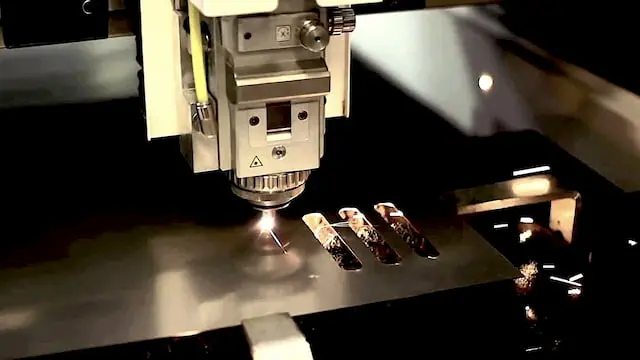
Modern technology offers powerful tools for reducing rework in metal production. By integrating digital solutions and automation, manufacturers can achieve greater consistency and traceability:
- Computer-aided design (CAD) and computer-aided manufacturing (CAM) systems minimize interpretation errors and standardize programming for CNC machines.
- Automated inspection systems, including laser scanners and vision systems, provide real-time feedback and catch defects early.
- Shop floor data collection enables tracking of process parameters and identification of trends that lead to rework.
- Advanced materials recovery systems can help reclaim value from scrap and reduce overall waste, as discussed in advanced materials recovery systems.
Investing in these solutions can deliver a rapid return by reducing manual checks, accelerating root cause analysis, and supporting continuous improvement initiatives.
Best Practices for Quality Control and Inspection
Effective quality control is essential for minimizing the need for corrections. Some best practices include:
- Establishing clear acceptance criteria for each product and process step
- Using checklists and digital records to document inspections
- Performing in-process checks rather than relying solely on final inspection
- Encouraging operators to stop the line if a defect is detected, rather than passing it downstream
- Reviewing nonconformance data regularly to identify patterns and prioritize corrective actions
By making quality everyone’s responsibility and empowering staff to take action, organizations can prevent defects from accumulating and reduce the frequency of rework.
Training and Workforce Engagement for Fewer Errors
Human factors play a significant role in the frequency of rework. Investing in workforce development and engagement can yield substantial improvements:
- Provide hands-on training for new equipment, tools, and processes
- Encourage cross-training to build flexibility and understanding across roles
- Foster a culture of accountability, where employees feel empowered to report issues and suggest improvements
- Recognize and reward teams that achieve measurable reductions in rework
When staff are well-trained and motivated, they are more likely to follow procedures, spot potential issues early, and contribute to a culture of quality.
Waste Reduction and Sustainability Benefits
Reducing unnecessary corrections and scrap not only improves efficiency but also supports environmental goals. Less rework means less material waste, lower energy consumption, and reduced emissions. For those interested in broader sustainability trends, the article on future of sustainable metal manufacturing offers further insights.
Additionally, effective waste management practices can further support these objectives. For a deeper understanding of waste reduction strategies, see this comprehensive guide to waste management in manufacturing.
Continuous Improvement and Monitoring Results
To sustain gains in efficiency, it’s important to monitor key metrics and pursue ongoing improvement. Recommended steps include:
- Track rework rates, scrap percentages, and first-pass yield over time
- Conduct regular root cause analysis when issues arise
- Benchmark performance against industry standards and peers
- Leverage new technologies and process innovations, such as those highlighted in innovations in metal recycling technology
By making data-driven decisions and fostering a mindset of continuous improvement, metal producers can maintain low rework rates and adapt to changing demands.
FAQ: Reducing Rework and Improving Metal Production Efficiency
What are the most common causes of rework in metal manufacturing?
The most frequent causes include inaccurate measurements, tool wear, material defects, operator errors, and inadequate process controls. Addressing these issues with better training, equipment maintenance, and clear communication can significantly reduce the need for corrections.
How can technology help minimize rework in metal production?
Digital tools such as CAD/CAM systems, automated inspection equipment, and real-time data collection enable early detection of errors and standardize processes. These technologies help maintain consistency, reduce manual checks, and support continuous improvement efforts.
What metrics should be tracked to monitor progress in reducing rework?
Key metrics include rework rate (percentage of parts requiring correction), scrap rate, first-pass yield, and the number of nonconformances. Regularly reviewing these indicators helps identify trends, prioritize improvements, and measure the effectiveness of changes.
Conclusion
Minimizing rework in metal production is achievable through a blend of process discipline, technology adoption, and workforce engagement. By focusing on root causes, standardizing procedures, and leveraging digital tools, manufacturers can cut costs, improve quality, and enhance sustainability. Continuous monitoring and a commitment to improvement ensure that these gains are maintained over the long term.