
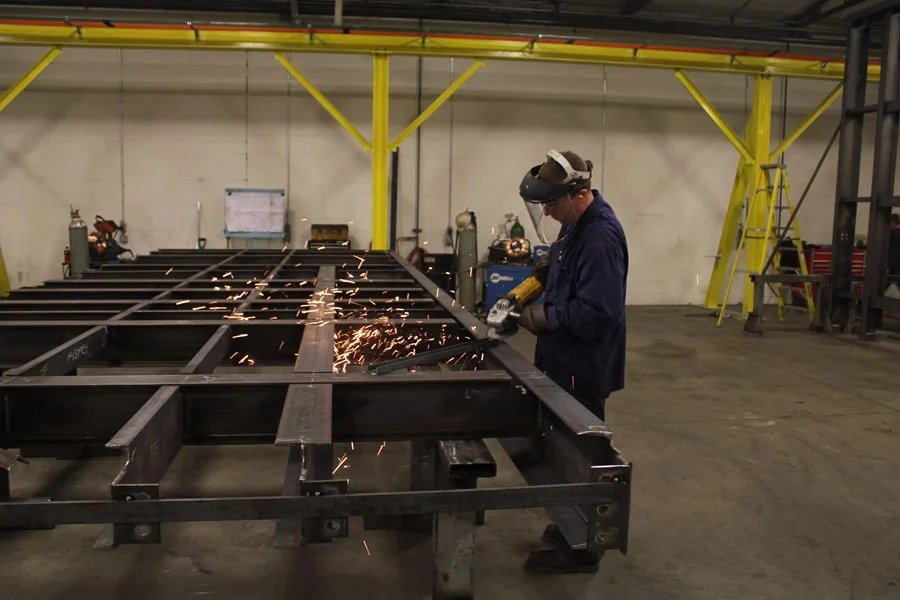
In today’s manufacturing landscape, minimizing excess material is not just about cost savings—it’s a crucial part of sustainable operations. Reducing material waste fabrication is a priority for companies looking to improve efficiency, lower expenses, and lessen their environmental impact. By adopting smarter fabrication strategies, manufacturers can optimize resources, streamline workflows, and contribute to a greener industry.
This article explores practical methods and technologies that help limit scrap and promote resource conservation in metalworking and related sectors. For those interested in broader sustainable practices, consider learning about sustainable shop floor practices that complement waste reduction efforts.
Understanding the Impact of Waste in Fabrication
Material waste in fabrication processes can take many forms: offcuts, defective parts, overproduction, and even inefficient use of consumables. These losses not only drive up costs but also contribute to landfill waste and resource depletion. By focusing on reducing material waste fabrication practices, manufacturers can make a significant difference in both their bottom line and their environmental footprint.
The drive for efficiency is not just about using less material—it’s about smarter planning, better technology, and continuous improvement. Waste reduction also aligns with customer expectations and regulatory requirements for sustainable manufacturing.
Key Strategies for Minimizing Scrap and Offcuts
Several proven methods can help fabrication shops and manufacturers reduce unnecessary waste. Here are some of the most effective approaches:
- Precision Cutting and Nesting: Modern CNC machines and nesting software allow for optimal arrangement of parts on raw material sheets, minimizing offcuts and maximizing yield.
- Lean Manufacturing Principles: Adopting lean methodologies, such as just-in-time production and continuous improvement (Kaizen), helps identify and eliminate sources of waste throughout the process.
- Quality Control at Every Step: Implementing robust inspection protocols reduces the risk of defects and rework, which are major sources of material loss.
- Standardization of Parts: Designing components with standard sizes and shapes can simplify production and reduce the likelihood of excess scrap.
- Employee Training and Engagement: Well-trained staff are more likely to spot inefficiencies and suggest improvements that lead to less waste.
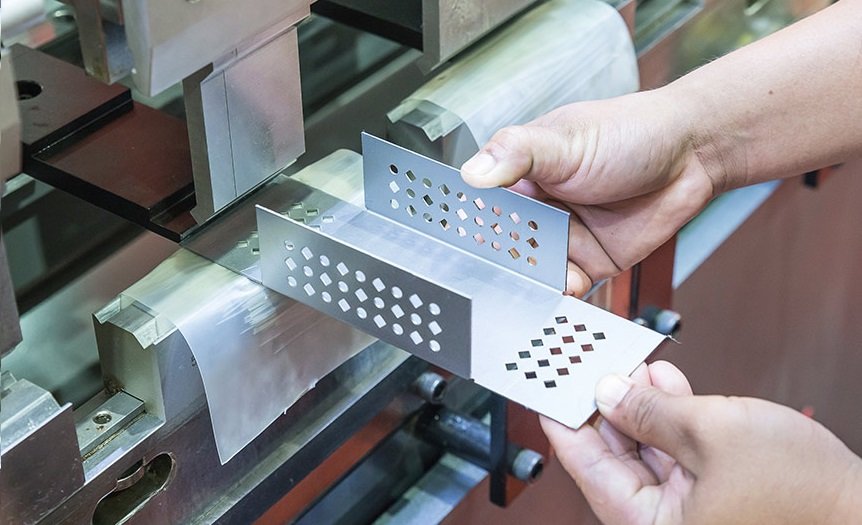
Technologies Supporting Waste Reduction in Fabrication
The adoption of advanced technologies has transformed how manufacturers approach resource efficiency. Here are some innovations making a difference:
- Computer-Aided Design (CAD): CAD software enables precise modeling, which helps optimize material usage before production begins.
- Automated Material Handling: Automation reduces manual errors and ensures consistent, accurate processing of materials.
- Laser and Waterjet Cutting: These methods offer high precision, reducing kerf loss and minimizing the amount of scrap generated.
- Real-Time Monitoring Systems: Sensors and IoT devices track material flow and machine performance, allowing for immediate adjustments to prevent waste.
For companies interested in sustainable finishing, exploring eco friendly anodizing and water based metal coatings can further reduce the environmental impact of their operations.
Design Optimization for Resource Efficiency
Effective product design plays a critical role in limiting material waste. By considering manufacturability early in the design process, engineers can create parts that are easier to fabricate with minimal scrap. Some best practices include:
- Design for Manufacturability (DFM): Collaborating with fabrication teams during design helps identify potential waste points and address them before production.
- Material Selection: Choosing materials that are readily available in standard sizes can reduce the need for custom cuts and excess inventory.
- Modular Design: Creating components that can be reused or repurposed in different products supports circular manufacturing and waste reduction.
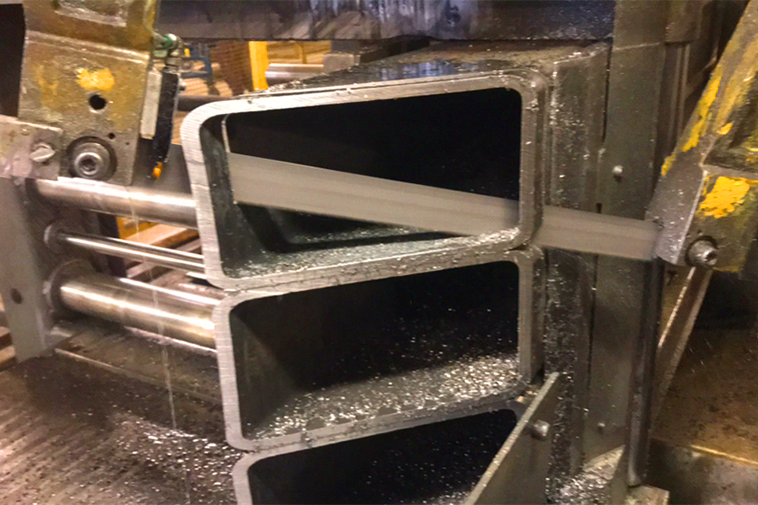
Recycling and Reuse in Fabrication Facilities
Even with the best planning, some scrap is inevitable. The key is to ensure that leftover materials are recycled or repurposed whenever possible. Many facilities establish closed-loop systems, where offcuts and shavings are collected and sent back to suppliers or recyclers for reprocessing.
Some manufacturers also find creative uses for scrap—such as producing smaller parts, prototypes, or even selling excess material to other businesses. This not only reduces waste but can turn what would be a loss into an additional revenue stream.
For more insights on sustainable approaches, you can read about green metal finishing processes that further enhance eco-friendly manufacturing.
Industry Examples and Sustainable Practices
Companies across the globe are embracing strategies that limit waste and promote sustainability. For example, some metal fabrication shops have adopted digital inventory management to track remnants and prioritize their use in future projects. Others have invested in employee-led initiatives, where teams compete to find new ways to cut down on scrap.
According to industry reports on sustainable construction and fabrication, integrating waste-reducing practices not only benefits the environment but also improves operational efficiency and brand reputation.
Continuous Improvement and Employee Involvement
The most successful waste reduction programs are those that involve everyone in the organization. Regular training, open communication, and recognition of innovative ideas help foster a culture where efficiency is valued. Periodic audits and feedback loops ensure that progress is tracked and new opportunities for improvement are identified.
Involving staff in problem-solving and encouraging them to suggest changes can lead to significant gains in both material savings and morale.
FAQ
What are the main causes of material waste in fabrication?
The primary sources include inefficient cutting patterns, design errors, defective parts, overproduction, and lack of process control. Addressing these issues through better planning, technology, and training can significantly reduce waste.
How can digital tools help reduce fabrication waste?
Digital solutions like CAD software, nesting programs, and real-time monitoring systems optimize material usage and allow for quick adjustments, minimizing errors and unnecessary scrap.
Is recycling scrap material always possible in fabrication?
While not all scrap can be recycled on-site, most metals and some plastics can be collected and sent to specialized recyclers. Establishing partnerships with recycling firms ensures that as much material as possible is reprocessed and kept out of landfills.
What role does employee training play in waste reduction?
Well-trained employees are more likely to follow best practices, spot inefficiencies, and contribute ideas for improvement. Ongoing education is essential for maintaining a culture of resource efficiency.
Are there industry standards for reducing waste in fabrication?
Many industries follow lean manufacturing principles and ISO standards that encourage waste minimization. Adhering to these frameworks helps ensure consistent and measurable improvements.