
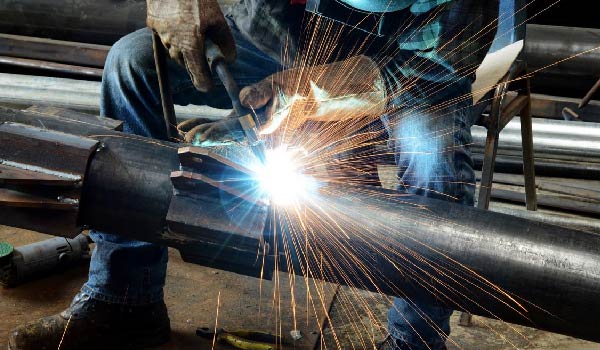
Achieving higher yields and greater efficiency is a constant goal in the metals industry. Process optimization in metal production involves refining every stage of the manufacturing chain, from raw material handling to final product finishing. By focusing on continuous improvement and leveraging modern technologies, metal producers can reduce waste, lower costs, and maximize output quality.
This article explores practical strategies, proven methodologies, and the latest tools that help manufacturers streamline their operations. Whether you manage a steel mill, a foundry, or a fabrication shop, understanding how to enhance process efficiency is essential for staying competitive. For those interested in related advancements, you may also want to learn about advanced materials recovery systems that support resource efficiency in metal plants.
Key Principles for Improving Metal Manufacturing Efficiency
Optimizing processes in metal production requires a holistic approach. The following principles form the foundation for achieving better yields and consistent quality:
- Standardization: Establishing clear, repeatable procedures reduces variability and errors.
- Data-Driven Decisions: Collecting and analyzing production data helps identify bottlenecks and inefficiencies.
- Continuous Improvement: Applying methodologies such as Lean, Six Sigma, or Kaizen ensures ongoing progress.
- Technology Integration: Automation, sensors, and digital monitoring streamline operations and enable real-time adjustments.
- Workforce Training: Skilled operators and technicians are essential for implementing and sustaining improvements.
By focusing on these core areas, companies can systematically address inefficiencies and unlock higher productivity.
Stages of Process Optimization in Metal Production
Each phase of the metal manufacturing chain offers unique opportunities for improvement. Let’s break down the main stages and highlight where optimization delivers the greatest impact:
- Raw Material Preparation: Ensuring consistent quality and correct sizing of inputs minimizes downstream issues. Advanced sorting and pre-processing can reduce impurities and improve melt efficiency.
- Melting and Refining: Optimizing furnace operation—through precise temperature control, improved burner technology, and better charge management—can lower energy use and increase yield.
- Casting and Solidification: Fine-tuning mold design, cooling rates, and pouring techniques reduces defects and enhances product integrity.
- Forming and Shaping: Automated rolling, forging, or extrusion processes benefit from real-time monitoring and feedback systems, which help maintain tight tolerances and minimize scrap.
- Finishing and Inspection: Implementing automated inspection and surface treatment ensures consistent quality and reduces rework.
At every stage, integrating digital technologies and advanced analytics can further boost efficiency and product quality.
Digital Tools and Automation in Modern Metal Plants
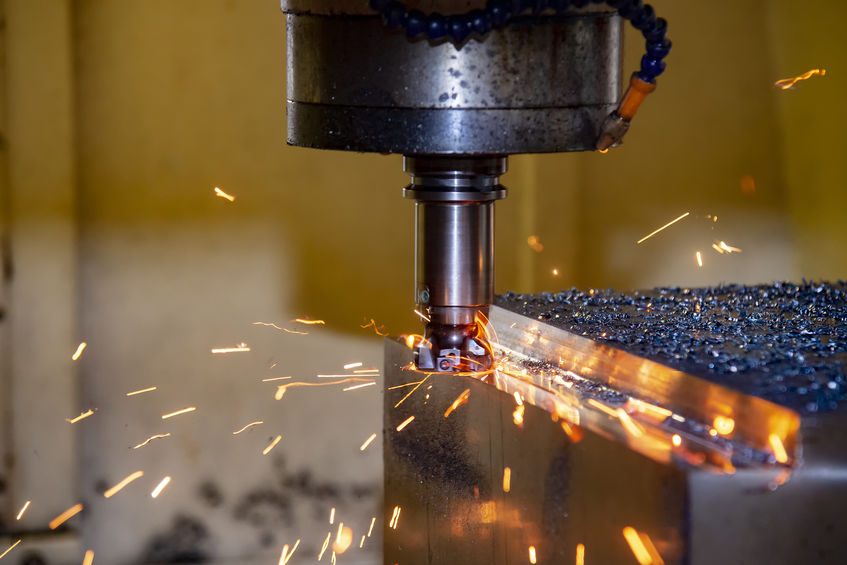
The adoption of digital solutions is transforming how metal producers approach process improvement. Some of the most impactful technologies include:
- Industrial IoT Sensors: These devices collect real-time data on temperature, pressure, and composition, enabling rapid adjustments and predictive maintenance.
- Manufacturing Execution Systems (MES): MES platforms coordinate production schedules, track material flow, and monitor equipment performance for greater transparency.
- Robotics and Automated Handling: Robots increase throughput and reduce manual errors in material movement, welding, and assembly.
- Advanced Analytics: Machine learning algorithms analyze historical and live data to uncover hidden inefficiencies and suggest process improvements.
By combining these tools, manufacturers can achieve a new level of precision and responsiveness, leading to higher yields and more consistent output.
Reducing Waste and Maximizing Resource Utilization
Minimizing scrap and making the most of every input is central to effective process optimization. Strategies for reducing waste include:
- Closed-Loop Recycling: Reusing scrap and offcuts within the plant reduces raw material costs and environmental impact.
- Process Control Systems: Automated controls maintain optimal operating conditions, reducing the likelihood of defects and rework.
- Lean Manufacturing Techniques: Value stream mapping and continuous improvement projects help identify and eliminate non-value-added activities. For a practical approach, see this guide on value stream mapping in the metals industry.
- Energy Management: Monitoring and optimizing energy use in furnaces, compressors, and other equipment cuts costs and supports sustainability goals.
These approaches not only improve profitability but also support environmental stewardship. For a broader perspective on eco-friendly practices, explore sustainability and recycling in the metallurgy industry.
Challenges and Solutions in Process Optimization
While the benefits of refining production processes are clear, several obstacles can arise:
- Legacy Equipment: Older machinery may lack digital connectivity or flexibility. Retrofitting with sensors or upgrading to modern alternatives can bridge the gap.
- Change Management: Employees may resist new workflows or technologies. Effective training and communication are vital for successful adoption.
- Data Integration: Disparate systems can make it difficult to get a unified view of operations. Investing in integrated platforms and standardized protocols helps overcome this.
- Resource Constraints: Budget and time limitations require prioritizing high-impact projects and seeking incremental improvements.
By addressing these challenges proactively, metal producers can set the stage for sustainable, long-term gains.
Emerging Trends Shaping the Future of Metal Manufacturing
The landscape of metal production is evolving rapidly. Some notable trends influencing process improvement include:
- Artificial Intelligence: AI-driven optimization is enabling predictive maintenance, adaptive process control, and smarter scheduling.
- Green Manufacturing: There is growing emphasis on reducing carbon emissions and adopting circular economy principles. For more, see the future of sustainable metal manufacturing.
- Advanced Recycling: Innovations in metal recycling technology are making it easier to recover valuable materials and reduce waste.
- Supply Chain Integration: Coordinating logistics and inventory management with production planning enhances agility and reduces lead times. Learn more about logistics optimization in metal industry waste reduction.
Staying informed about these trends ensures that producers remain competitive and responsive to market demands.
FAQ
What are the main benefits of process optimization in metal production?
Key advantages include increased yield, reduced waste, improved product quality, lower energy consumption, and enhanced profitability. Streamlined processes also support better compliance with environmental and safety standards.
How can digital technologies improve efficiency in metal manufacturing?
Digital tools such as IoT sensors, MES platforms, and advanced analytics provide real-time insights, automate routine tasks, and enable predictive maintenance. These capabilities help manufacturers quickly identify and resolve inefficiencies.
What steps should a metal plant take to start optimizing its processes?
Begin by mapping current workflows, collecting baseline data, and identifying major sources of waste or variability. Prioritize improvement projects with the highest potential impact, invest in workforce training, and consider adopting digital solutions for monitoring and control.
How does process optimization support sustainability in the metals industry?
By reducing energy use, minimizing scrap, and promoting recycling, optimized processes help lower the environmental footprint of metal production. These improvements align with industry trends toward greener manufacturing and resource conservation.