
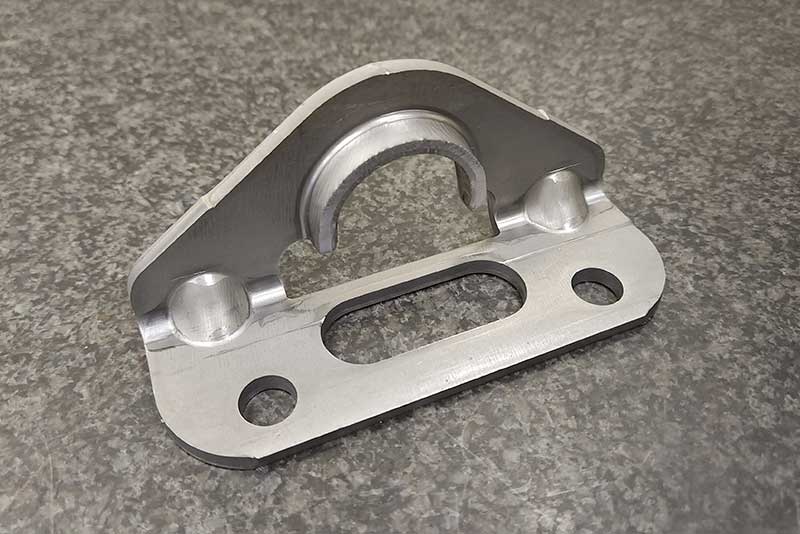
Achieving tight tolerances and consistent quality is essential in modern manufacturing, especially when working with steel components for industries like automotive, aerospace, and electronics. Precision steel stamping techniques have become the backbone of producing intricate, high-accuracy parts at scale. These advanced methods allow manufacturers to meet demanding specifications, minimize waste, and ensure repeatability across large production runs.
This article explores the core processes, tooling considerations, and quality control measures that define high-precision steel stamping. Along the way, you’ll find practical insights and resources for optimizing your own stamping projects, including guidance on material selection, die maintenance, and safety best practices. For those interested in further reducing material waste, you may want to review our how to reduce scrap in metal stamping guide.
Understanding High-Precision Metal Stamping
At its core, precision steel stamping refers to the process of transforming flat steel sheets into complex shapes with extremely tight dimensional tolerances. Unlike basic stamping, which may allow for greater variation, these advanced techniques use specialized dies, presses, and process controls to achieve repeatable results within microns of the target specification.
The demand for such accuracy is driven by industries where even minor deviations can lead to assembly issues, product failures, or costly recalls. Common applications include connectors, brackets, shielding components, and structural parts that must fit perfectly with other assemblies.
Key Techniques for Achieving Tight Tolerances
Several methods and technologies are used to ensure the highest levels of accuracy in steel stamping. Here are some of the most effective approaches:
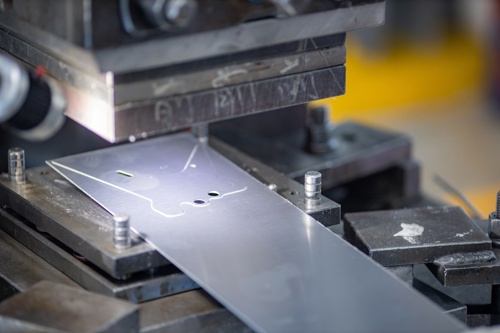
- Progressive Die Stamping: This method uses a series of stations within a single die set, each performing a specific operation. The material moves through the die, undergoing multiple forming, cutting, and punching steps. Progressive dies are ideal for high-volume production and can maintain consistent tolerances throughout the run. For more on this, see our article on the benefits of progressive die stamping.
- Fineblanking: A specialized process that combines stamping and shearing with extremely high-pressure dies, fineblanking produces parts with smooth edges and minimal burrs. This is especially useful for components requiring precise fit and finish.
- Compound and Transfer Die Stamping: Compound dies perform multiple operations in a single press stroke, while transfer dies move the part from station to station. Both methods can be used for complex geometries and high-precision requirements.
- In-Process Sensing and Feedback: Modern stamping presses often include sensors and feedback systems that monitor force, position, and part dimensions in real time. This allows for immediate adjustments and helps maintain tight tolerances throughout production.
Material Selection and Its Impact on Precision
The choice of steel grade and its properties play a significant role in the success of high-precision stamping. Factors such as hardness, ductility, and surface finish affect how the material responds to forming and cutting operations. Selecting the right steel ensures consistent deformation and reduces the risk of cracking or excessive tool wear.
For guidance on choosing the most suitable steel for your application, refer to our resource on how to choose the right steel grade for stamping.
Tooling and Die Maintenance for Consistent Results
The accuracy of stamped parts is directly linked to the quality and condition of the dies used. Precision tooling must be manufactured to exacting standards and maintained regularly to prevent wear, misalignment, or damage. Even minor imperfections in the die surface can lead to dimensional inconsistencies or defects in the finished parts.
Routine inspection, cleaning, and sharpening of dies are essential practices. For a comprehensive overview of best practices, see our steel stamping die maintenance guide.
Quality Control and Inspection Methods
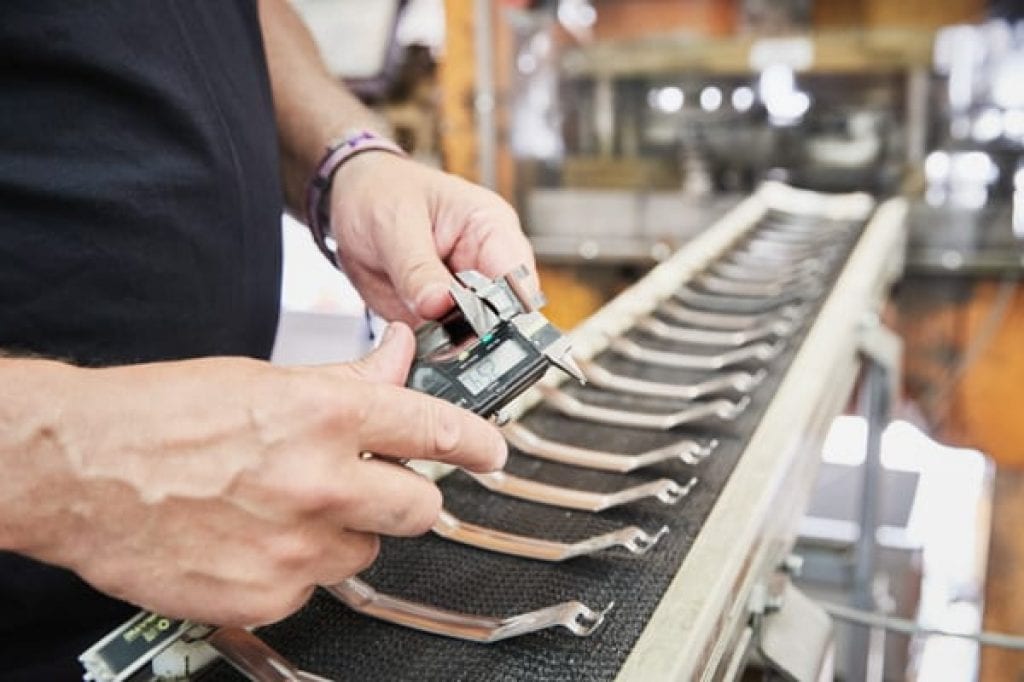
Consistent quality is achieved through rigorous inspection and process monitoring. Manufacturers use a combination of in-line sensors, automated measurement systems, and manual gauges to verify part dimensions and surface conditions. Statistical process control (SPC) techniques help identify trends and prevent defects before they reach downstream operations.
Regular audits and documentation of measurements are critical for traceability and compliance, especially in regulated industries. Investing in advanced metrology equipment can further enhance the reliability of your stamping operations.
Safety and Best Practices in Steel Stamping
Working with high-tonnage presses and sharp tooling introduces safety risks that must be managed proactively. Operators should follow established safety protocols, use appropriate personal protective equipment, and participate in ongoing training. For a detailed overview of safety measures, consult our steel stamping safety guidelines.
Additionally, it’s important to stay updated on industry standards and regulations. For further reading on safe die operations and best practices, visit this comprehensive guide to sheet metal forming die operations and safety.
Frequently Asked Questions
What are the main benefits of using advanced steel stamping methods?
Advanced stamping approaches offer higher accuracy, faster production rates, and reduced material waste. They also enable the manufacturing of complex parts that would be difficult or costly to produce with other methods.
How do I choose the right steel for high-precision stamping?
Consider factors such as the required strength, ductility, and corrosion resistance. The intended application and part geometry also influence material selection. For detailed advice, refer to our article on selecting the best steel grade for stamping.
What steps can be taken to extend die life in precision stamping?
Regular maintenance, proper lubrication, and using the correct steel grade for both the die and workpiece are essential. Monitoring for wear and promptly addressing any issues will help maintain die accuracy and extend its service life.