
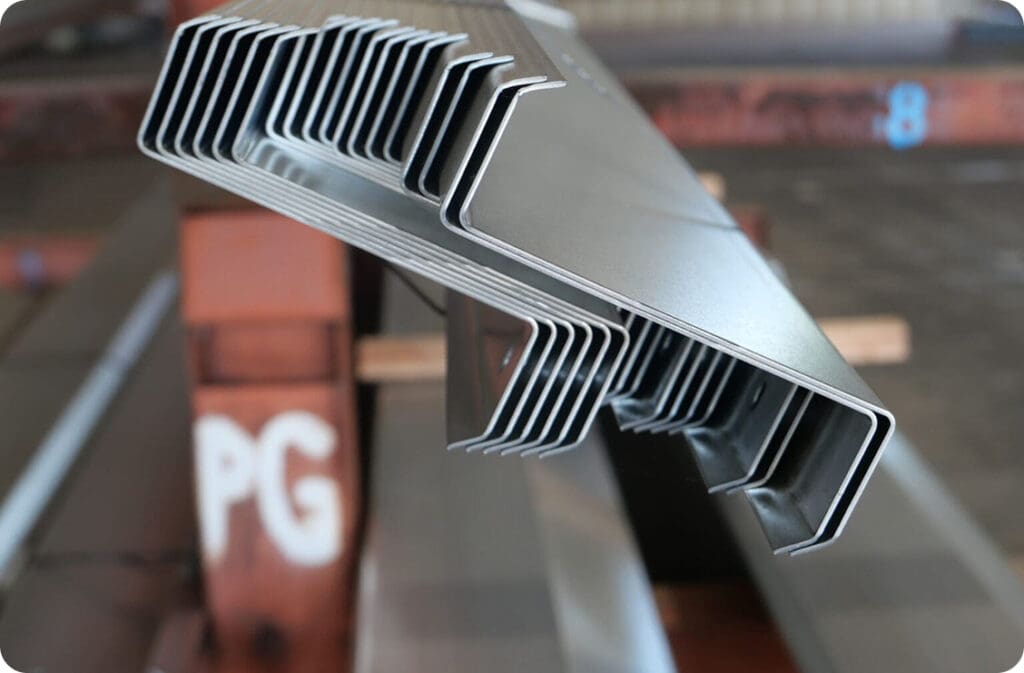
The manufacturing sector is undergoing a significant transformation as businesses and consumers increasingly prioritize environmental responsibility. Among the most promising approaches is on demand metal fabrication sustainability, a method that aligns production with actual demand, minimizes waste, and leverages advanced technology for greener outcomes. This article explores the environmental benefits, operational efficiencies, and industry impact of this innovative approach to metalworking.
Traditional fabrication methods often involve producing large batches of parts in anticipation of future orders, which can lead to excess inventory, material waste, and unnecessary energy consumption. In contrast, on demand manufacturing produces only what is needed, when it is needed. This shift not only supports sustainability goals but also offers practical advantages for manufacturers seeking to optimize resources and reduce their environmental footprint.
For those interested in process optimization, understanding how to optimize scrap chute angles can further reduce waste in steel stamping operations, complementing the sustainability benefits discussed here.
Reducing Waste Through Precise Production
One of the most significant environmental benefits of on demand metal fabrication is the dramatic reduction in material waste. By manufacturing parts only as orders are received, companies avoid overproduction and the accumulation of unsold inventory. This approach ensures that raw materials are used efficiently, with minimal excess ending up as scrap.
Advanced digital fabrication technologies, such as CNC machining and laser cutting, enable precise material usage. These methods allow for tight tolerances and optimized nesting of parts, further minimizing offcuts and leftover materials. The result is a leaner, more sustainable production process that conserves valuable resources.
Energy Efficiency and Carbon Footprint Reduction
Energy consumption is a major concern in metalworking, as traditional batch production often requires machines to run for extended periods, sometimes without full utilization. On demand fabrication, by contrast, aligns machine operation with real-time demand, reducing idle time and unnecessary energy use.
Additionally, producing only what is needed can lower the frequency of equipment startups and shutdowns, which are typically energy-intensive. Over time, these incremental savings contribute to a smaller carbon footprint for the entire manufacturing operation.
For companies looking to further enhance their sustainability profile, adopting best practices for stamping coated steels without damage can also help reduce rework and material loss, supporting a more energy-efficient workflow.
Material Recycling and Circular Economy
A key aspect of on demand metal fabrication sustainability is the integration of recycled materials into the production process. Many modern facilities prioritize the use of recycled steel and aluminum, which require significantly less energy to process compared to virgin materials. This not only conserves natural resources but also reduces greenhouse gas emissions associated with mining and refining.
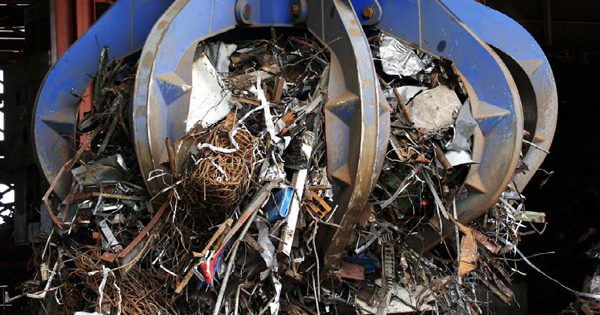
On demand manufacturing also simplifies the sorting and collection of scrap, as production runs are smaller and more controlled. This makes it easier to recycle leftover materials, supporting a circular economy where waste is minimized and resources are continually reused.

Supply Chain Optimization and Transportation Impact
Another important sustainability advantage comes from the impact on supply chains and logistics. Traditional manufacturing often requires warehousing large quantities of finished goods, which can lead to increased storage needs and associated energy costs. On demand production reduces the need for warehousing, as products are shipped shortly after fabrication.
This streamlined approach also allows for more localized production, as digital fabrication files can be sent to facilities closer to the end user. By reducing the distance products must travel, companies can lower transportation emissions and further decrease their environmental impact.
For additional insights into material properties that affect sustainability, exploring steel stamping material yield strength considerations can help manufacturers select materials that balance performance with environmental responsibility.
Digitalization and Smart Manufacturing for Sustainability
Modern on demand fabrication is powered by digital tools that enhance efficiency and sustainability. Computer-aided design (CAD) and manufacturing (CAM) software enable precise planning, reducing trial-and-error and material waste. Real-time data collection allows manufacturers to monitor resource usage, energy consumption, and production efficiency, making it easier to identify opportunities for improvement.
Smart manufacturing systems can also automate the ordering and replenishment of materials, ensuring that only the necessary quantities are procured. This reduces the risk of overstocking and further supports a lean, sustainable operation.
For a deeper dive into the principles behind these practices, this overview of sustainable metal fabrication provides a comprehensive look at industry standards and emerging trends.
Economic and Environmental Benefits for Manufacturers
Adopting on demand production methods offers both environmental and economic advantages. By minimizing waste and energy use, companies can lower their operating costs while meeting growing regulatory and customer demands for sustainability. The ability to respond quickly to market changes also reduces the risk of unsold inventory and financial losses.
Furthermore, manufacturers that prioritize sustainability can enhance their brand reputation, attract environmentally conscious customers, and position themselves as leaders in a rapidly evolving industry.
Challenges and Considerations in Sustainable Metal Fabrication
While the benefits are clear, transitioning to on demand manufacturing is not without challenges. Initial investments in digital infrastructure, workforce training, and process redesign may be required. Companies must also ensure that their suppliers adhere to sustainable practices, as the environmental impact of raw materials can significantly affect overall outcomes.
Despite these hurdles, the long-term advantages of reduced waste, lower energy consumption, and improved resource efficiency make the shift to on demand fabrication a compelling choice for forward-thinking manufacturers.
Frequently Asked Questions
How does on demand metal fabrication help reduce environmental impact?
By producing only what is needed, on demand fabrication minimizes excess inventory and material waste. Advanced technologies enable precise cutting and efficient use of resources, while smaller production runs make it easier to recycle scrap. These factors combine to lower the overall environmental footprint of metalworking operations.
What role does digital technology play in sustainable metalworking?
Digital tools such as CAD/CAM software and real-time monitoring systems allow for optimized design, efficient material use, and streamlined production. These technologies support sustainability by reducing trial-and-error, minimizing waste, and enabling smarter resource management throughout the manufacturing process.
Can on demand fabrication be integrated with recycled materials?
Yes, many on demand manufacturing facilities prioritize the use of recycled metals, which require less energy to process than new materials. This approach supports a circular economy and further reduces the environmental impact of production.
Conclusion
The shift toward on demand metal fabrication sustainability is transforming the manufacturing landscape, offering clear benefits for the environment, operational efficiency, and business performance. By embracing precise production, energy efficiency, and digital innovation, manufacturers can play a leading role in building a more sustainable future for the metalworking industry.