
Reducing waste and inefficiency is crucial in the metal manufacturing industry. Minimizing metal production losses not only improves profitability but also supports sustainability and regulatory compliance. Whether you operate a steel mill, aluminum plant, or fabrication shop, understanding how to identify and address sources of loss can have a significant impact on your bottom line. This guide walks through practical steps, proven strategies, and the latest technologies to help you cut down on material waste and optimize your processes.
For those interested in advanced solutions, exploring advanced materials recovery systems can offer additional ways to reclaim valuable metals and further reduce losses.

Understanding the Causes of Metal Loss in Production
Before implementing solutions, it’s essential to pinpoint where and why losses occur. Metal production losses can stem from:
- Scrap generation during cutting, machining, or forming operations
- Oxidation and scaling in high-temperature processes
- Material handling errors and spillage
- Equipment inefficiencies or outdated technology
- Human error and lack of standardized procedures
By mapping out your production workflow, you can identify the stages with the highest loss rates and prioritize them for improvement.
Step 1: Audit and Measure Current Losses
The first step in minimizing metal production losses is to establish a baseline. Conduct a thorough audit of your facility’s material flow:
- Track input and output quantities at each stage of production.
- Weigh scrap and offcuts regularly to quantify loss.
- Analyze historical data for recurring patterns or spikes in waste.
Utilizing digital calipers and precision measurement tools can help ensure accuracy during audits. For example, a Mitutoyo Digital Caliper is a reliable option for precise measurements.

Step 2: Implement Best Practices for Waste Reduction
Once you have a clear picture of your current losses, it’s time to adopt proven methods to reduce them. Some of the best practices for metal waste reduction include:
- Optimizing cutting patterns to maximize material utilization
- Regular maintenance of cutting and forming equipment to ensure clean, precise operations
- Training staff on correct handling and processing techniques
- Standardizing procedures to minimize variability
- Segregating scrap by type for easier recycling and recovery
Incorporating these strategies can lead to measurable improvements in yield and cost savings.
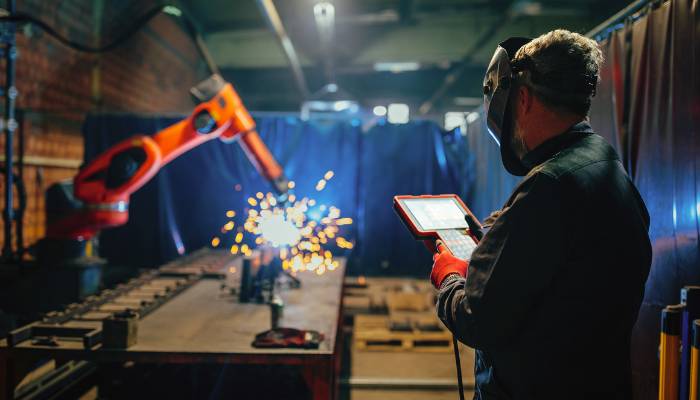
Step 3: Upgrade Technology and Automation
Modernizing your facility with advanced technology can dramatically reduce losses. Automated systems and smart sensors help monitor production in real time, allowing for quick adjustments and early detection of issues. Consider:
- Installing automated material handling systems to reduce manual errors
- Using AI-driven analytics to optimize process parameters
- Upgrading to high-efficiency furnaces and cutting machines
These investments not only cut waste but also improve safety and productivity.
Step 4: Enhance Metal Waste Management and Recycling
Proper handling and recycling of scrap metal are essential for reducing overall losses. Establish clear protocols for collecting, sorting, and storing scrap. Partnering with reputable recyclers ensures that valuable materials are recovered efficiently. For more on effective strategies, see this comprehensive guide to industrial metal waste management.
Additionally, investing in on-site recovery systems can help reclaim metals from process residues, further boosting your yield.
Step 5: Foster a Culture of Continuous Improvement
Long-term success in reducing production losses depends on ongoing evaluation and adaptation. Encourage your team to:
- Report inefficiencies and suggest improvements
- Participate in regular training sessions
- Monitor key performance indicators related to material usage
- Stay updated on new technologies and industry trends
Reviewing industrial sustainability case studies can provide inspiration and practical examples from other metal producers.
Environmental and Economic Benefits of Loss Reduction
Reducing waste in metal manufacturing has far-reaching benefits. Environmentally, it lowers the demand for raw materials and energy, reducing your facility’s carbon footprint. Economically, it translates to lower material costs, less downtime, and improved competitiveness. Many companies also find that their efforts align with environmental responsibility in steel companies and help meet regulatory requirements.
Looking ahead, staying proactive about waste reduction positions your business to thrive as the future of sustainable metal manufacturing evolves and customer expectations shift toward greener practices.
FAQ: Minimizing Losses in Metal Production
What are the most common sources of metal loss in manufacturing?
The primary sources include scrap generation during cutting and forming, oxidation during heat treatment, spillage during handling, and inefficiencies in outdated equipment. Regular audits and process optimization are key to identifying and addressing these issues.
How can automation help reduce metal waste?
Automation minimizes human error, ensures consistent quality, and allows real-time monitoring of production parameters. Automated material handling and AI-driven analytics can quickly detect deviations, reducing scrap and improving yield.
What role does recycling play in minimizing production losses?
Recycling enables the recovery of valuable metals from scrap and process residues. By segregating and processing waste efficiently, manufacturers can reclaim materials, reduce raw material purchases, and support environmental goals.