
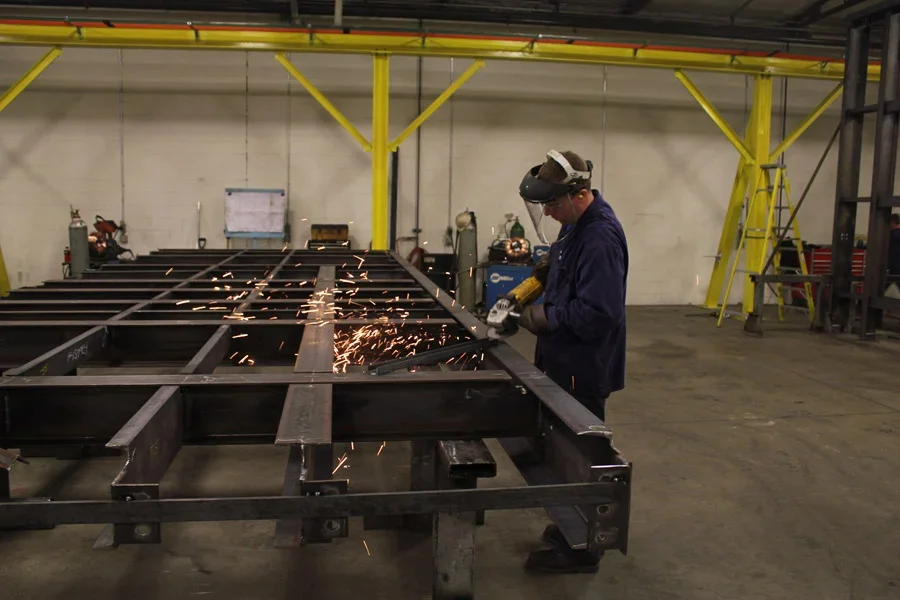
As the manufacturing sector continues to evolve, sustainability has become a central focus for fabricators worldwide. Efficient metal scrap recycling practices are now essential not only for environmental stewardship but also for maintaining cost-effectiveness and regulatory compliance. By rethinking how scrap is managed, fabrication shops can reduce waste, conserve resources, and support a circular economy.
Implementing robust recycling systems also helps companies meet customer expectations for greener operations and can even open up new revenue streams through the sale of sorted scrap. Before diving into the core strategies, it’s worth noting that optimizing every step of the fabrication process—from material selection to post-production handling—can further enhance sustainability. For those interested in improving related processes, exploring best practices for stamping coated steels can provide additional insights into minimizing waste and protecting material quality.
Why Sustainable Metal Recycling Matters in Fabrication
The fabrication industry generates significant amounts of metal waste, from offcuts to shavings and defective parts. Without effective recycling, this material often ends up in landfills, contributing to environmental degradation and resource depletion. Adopting metal scrap recycling practices not only diverts waste from landfills but also reduces the demand for virgin raw materials, which require energy-intensive extraction and processing.
Sustainable recycling also aligns with global trends toward responsible manufacturing. Many clients now require proof of environmental responsibility, and regulatory bodies are tightening restrictions on industrial waste. By prioritizing recycling, fabricators can demonstrate commitment to sustainability, improve their public image, and stay ahead of compliance requirements.
Key Steps for Effective Scrap Management
To maximize the benefits of recycling, fabricators should implement a systematic approach to scrap management. Here are the core steps:
- Segregation at Source: Separate different types of metals (e.g., steel, aluminum, copper) immediately after cutting or machining. This prevents contamination and increases the value of the recycled material.
- Proper Storage: Use labeled bins or containers for each metal type. Keep scrap dry and free from oils, lubricants, or other contaminants to maintain quality.
- Regular Collection: Schedule frequent pickups or internal transfers to prevent overflow and minimize the risk of mixing materials.
- Documentation: Track the quantity and type of scrap generated. This data helps identify opportunities for process improvements and supports sustainability reporting.
- Partnerships with Reputable Recyclers: Work with certified recycling companies that follow ethical and environmentally sound practices.
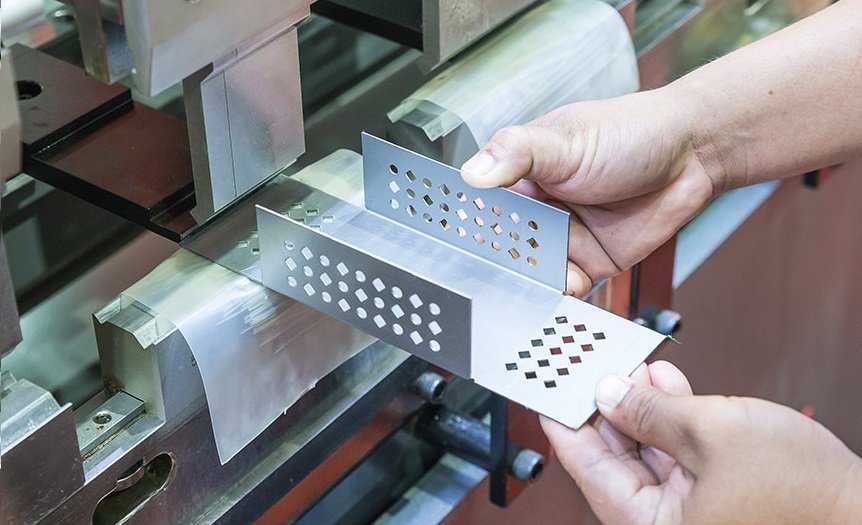
Optimizing Metal Scrap Recycling Practices for Maximum Value
Beyond basic segregation and storage, advanced strategies can further enhance the efficiency and profitability of recycling efforts. Consider the following approaches:
- Invest in On-Site Processing: Equipment such as shredders or balers can reduce scrap volume, making storage and transport more efficient and cost-effective.
- Employee Training: Ensure all staff understand the importance of proper scrap handling and are trained in the latest recycling protocols. This reduces errors and contamination.
- Continuous Improvement: Regularly review scrap data to identify trends, inefficiencies, or opportunities to reduce waste at the source.
- Leverage Technology: Digital tracking systems can automate documentation and improve traceability, supporting both operational efficiency and regulatory compliance.
For those looking to further optimize their processes, resources such as steel stamping edge quality optimization offer technical guidance on minimizing scrap generation during production.
Environmental and Economic Benefits of Responsible Scrap Handling
Implementing robust recycling systems delivers tangible advantages for both the environment and the bottom line. Environmentally, recycling metals conserves natural resources, reduces greenhouse gas emissions, and minimizes the ecological footprint of fabrication operations. Economically, sorted and uncontaminated scrap fetches higher prices from recyclers, turning what was once considered waste into a valuable asset.
Additionally, efficient recycling can lower disposal costs and reduce the need for purchasing new raw materials. Companies that prioritize sustainable scrap management often find themselves better positioned to win contracts with environmentally conscious clients and to comply with evolving regulations.
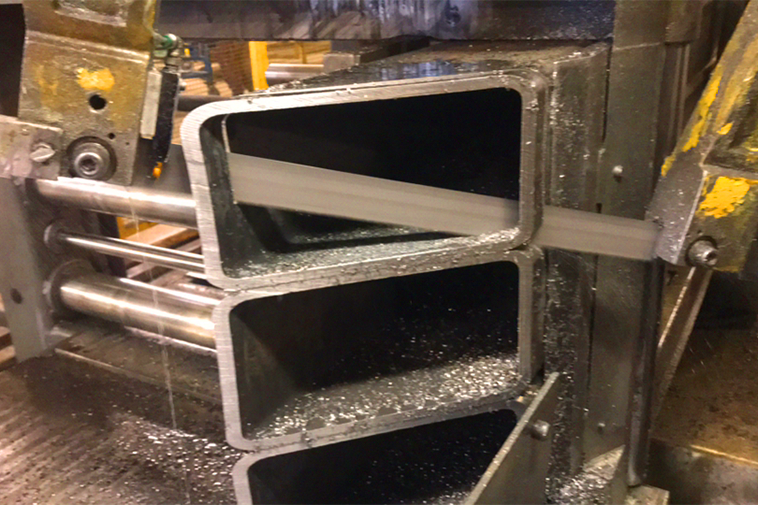
Integrating Metal Scrap Recycling into Broader Sustainability Initiatives
Leading fabricators recognize that recycling is just one part of a comprehensive sustainability strategy. Integrating scrap management with other initiatives—such as energy efficiency, water conservation, and responsible sourcing—can amplify positive impacts. For example, optimizing stamping operations, as discussed in steel stamping secondary operation considerations, can reduce both material waste and energy use.
Collaboration with supply chain partners and participation in industry-wide sustainability programs can further enhance results. For inspiration and practical guidance, fabricators can review industry case studies, such as those highlighted in sustainable construction and fabrication practices, which showcase real-world examples of successful green initiatives.
Common Challenges and Solutions in Scrap Recycling
While the benefits of recycling are clear, fabricators may encounter obstacles such as limited space, contamination, or fluctuating scrap prices. Addressing these challenges requires a proactive approach:
- Space Constraints: Invest in compact storage solutions or schedule more frequent scrap pickups to prevent clutter.
- Contamination: Implement strict protocols for keeping different metals and non-metallic materials separate. Regular staff training is key.
- Market Volatility: Build relationships with multiple recyclers to secure the best rates and stay informed about market trends.
- Regulatory Compliance: Stay updated on local and national regulations regarding scrap handling and reporting to avoid fines and penalties.
FAQ: Metal Scrap Recycling in Fabrication
What types of metals can be recycled in fabrication shops?
Most metals generated in fabrication, including steel, aluminum, copper, and brass, can be recycled. It’s important to segregate each type to maximize value and prevent contamination.
How can fabricators ensure their scrap is recycled responsibly?
Partnering with certified recyclers who follow ethical practices is essential. Request documentation or certifications to verify responsible handling and consider conducting periodic audits of recycling partners.
Are there industry standards for tracking recycled scrap?
While standards may vary by region, many fabricators use digital tracking systems to document scrap generation, movement, and recycling. This supports both internal process improvements and compliance with environmental regulations.
Conclusion
Adopting and optimizing metal scrap recycling practices is a practical and impactful way for fabricators to advance their sustainability goals. By focusing on segregation, proper storage, staff training, and continuous improvement, companies can reduce waste, conserve resources, and enhance profitability. Integrating recycling into broader sustainability initiatives ensures that fabrication shops remain competitive and responsible in a rapidly changing industry landscape.