
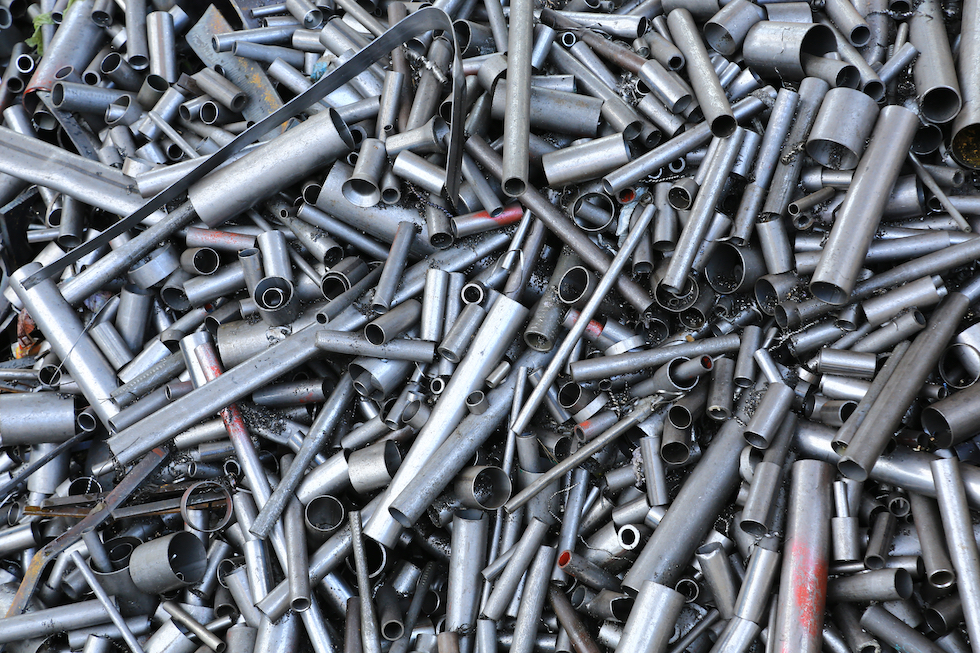
The landscape of metal recycling innovations in Europe is rapidly evolving, driven by a combination of environmental regulations, resource scarcity, and the push for a circular economy. As industries and governments across the continent seek to reduce waste and carbon emissions, new technologies and strategies are emerging to transform how metals are collected, processed, and reused. This article explores the most significant advancements shaping the future of metal recovery and reuse, highlighting both the challenges and opportunities for businesses and communities.
For those involved in metalworking and manufacturing, understanding these developments is essential. Not only do they impact supply chains and production costs, but they also open doors to more sustainable practices and compliance with strict European standards. If you’re interested in improving your own processes, you may also want to explore best practices for stamping coated steels to minimize waste and damage during production.
Driving Forces Behind European Metal Recycling Transformation
Several factors are accelerating the adoption of advanced recycling methods across Europe. The European Union’s Green Deal and Circular Economy Action Plan set ambitious targets for waste reduction and resource efficiency. These policies encourage investment in new technologies and foster collaboration between public and private sectors. Additionally, the rising cost of raw materials and the need to secure supply chains have made efficient metal recovery more attractive than ever.
Environmental awareness among consumers and businesses is also a major catalyst. Companies are increasingly expected to demonstrate responsible sourcing and production, which includes maximizing the use of recycled materials. This shift is prompting manufacturers to rethink their approach to metal waste and invest in innovative solutions.
Breakthrough Technologies in Metal Recovery
Modern facilities are leveraging a range of cutting-edge tools to improve the efficiency and purity of recycled metals. Some of the most notable metal recycling innovations in Europe include:
- Automated Sorting Systems: Advanced sensors, such as X-ray fluorescence (XRF) and near-infrared (NIR) technology, enable precise separation of different metal types, reducing contamination and increasing the value of recovered materials.
- Hydrometallurgical Processes: These chemical-based methods allow for the extraction of valuable metals from complex waste streams, such as electronic scrap, with lower energy consumption compared to traditional smelting.
- Robotics and AI: Artificial intelligence and machine learning are being used to optimize sorting, dismantling, and quality control, resulting in higher throughput and reduced labor costs.
- Closed-Loop Recycling: Some industries, particularly automotive and construction, are implementing closed-loop systems where scrap is collected, processed, and reused within the same supply chain, minimizing losses and environmental impact.
Industry Applications and Success Stories
The implementation of these technologies is yielding impressive results across various sectors. In the steel industry, for example, the use of recycled scrap has become standard practice, significantly reducing energy use and CO2 emissions. European car manufacturers are increasingly designing vehicles with end-of-life recycling in mind, making it easier to recover valuable metals from old cars.
Construction and demolition waste is another area where innovative metal recycling is making a difference. Modern sorting plants can efficiently separate steel, aluminum, and copper from mixed debris, allowing these materials to be fed back into new building projects. These closed-loop systems not only conserve resources but also help companies meet strict environmental regulations.
Challenges Facing Metal Recycling in Europe
Despite significant progress, several obstacles remain. One of the main challenges is the complexity of modern products, which often contain multiple types of metals and non-metallic components tightly integrated. Disassembling and sorting these materials can be labor-intensive and costly, even with advanced automation.
Another issue is the variability in recycling infrastructure across different European countries. While some nations have state-of-the-art facilities and strong collection systems, others lag behind due to limited investment or regulatory support. Harmonizing standards and improving cross-border collaboration will be crucial for maximizing the benefits of metal recycling innovations throughout the continent.
Environmental and Economic Benefits
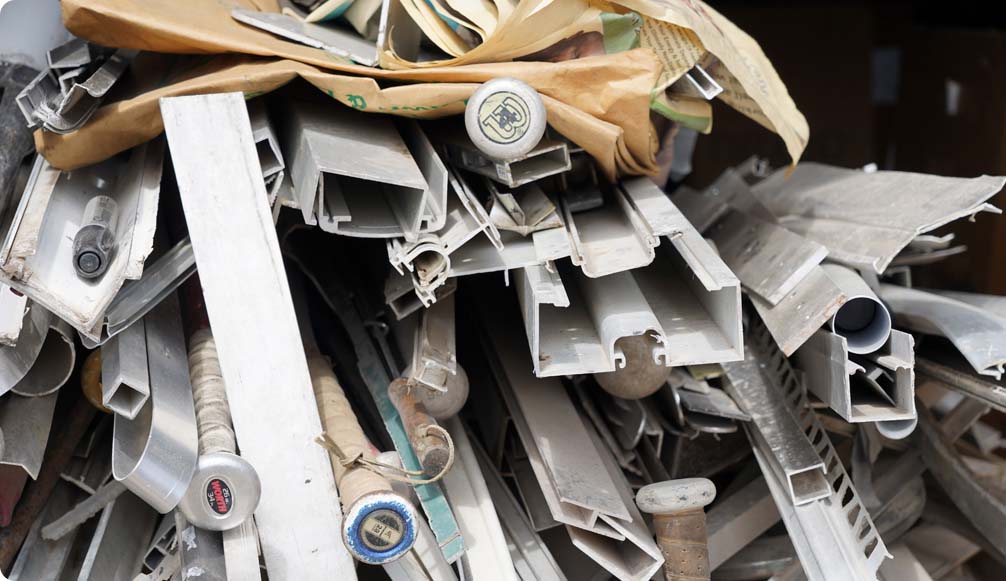
The adoption of advanced recycling methods delivers significant environmental advantages. Using recycled metals requires far less energy than producing new metals from ore, resulting in lower greenhouse gas emissions and reduced water and air pollution. For example, recycling aluminum saves up to 95% of the energy needed for primary production.
Economically, these innovations help stabilize supply chains and reduce dependence on imported raw materials. They also create new business opportunities in the recycling sector, from equipment manufacturing to logistics and consulting. As demand for sustainable products grows, companies that embrace these practices can gain a competitive edge in both domestic and international markets.
For a comprehensive overview of the basics and benefits of metal recycling, consider reading this introduction to metal recycling, which covers key concepts and industry trends.
Future Outlook for Metal Recycling Technologies
Looking ahead, the pace of innovation is expected to accelerate as new materials and products enter the market. The integration of digital technologies—such as blockchain for traceability and IoT sensors for real-time monitoring—will further enhance transparency and efficiency. Collaborative efforts between industry, academia, and government will be essential for overcoming technical and regulatory barriers.
As Europe continues to lead in sustainability initiatives, other regions are likely to adopt similar approaches, making the continent a global hub for advanced metal recycling solutions. Companies that invest in these technologies today will be well-positioned to meet future regulatory requirements and consumer expectations.
For those interested in optimizing specific aspects of metalworking, such as steel stamping edge quality optimization or ensuring safety compliance through operator training, aligning these efforts with recycling best practices can yield even greater sustainability gains.
Frequently Asked Questions
What are the main benefits of adopting new metal recycling methods in Europe?
Embracing modern recycling technologies reduces energy consumption, lowers greenhouse gas emissions, and conserves natural resources. It also helps companies comply with strict European regulations, stabilize supply chains, and meet growing consumer demand for sustainable products.
How do automated sorting systems improve metal recycling efficiency?
Automated sorting systems use advanced sensors and artificial intelligence to accurately separate different metals from mixed waste streams. This increases the purity and value of recycled materials, reduces contamination, and allows for higher throughput in recycling facilities.
What challenges do European recyclers face when processing complex products?
Many modern products contain multiple types of metals and non-metallic components that are tightly integrated, making disassembly and sorting difficult. Overcoming these challenges requires investment in advanced automation, improved product design for recyclability, and harmonized recycling standards across countries.