
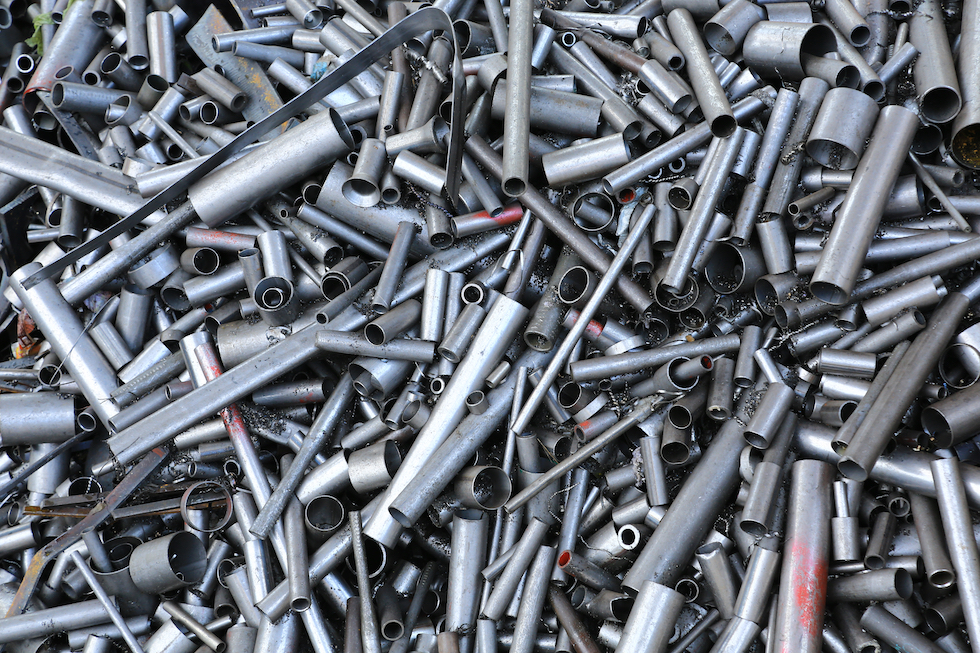
Metal recycling in the U.S. plays a crucial role in resource conservation, environmental protection, and the economy. As industries and consumers generate increasing amounts of scrap metal, efficient recycling systems are essential for reducing landfill waste and minimizing the need for raw material extraction. This guide explores current approaches, challenges, and opportunities within the American metal recycling sector, offering insights for businesses, manufacturers, and environmentally conscious individuals.
Understanding how metals are collected, processed, and reused can help organizations improve their sustainability efforts. For those involved in manufacturing, adopting best practices for stamping coated steels and optimizing edge quality can further enhance the value and recyclability of metal products.
Overview of Metal Recycling in the U.S.
The United States is among the world’s leaders in metal recycling, handling millions of tons of ferrous and non-ferrous materials each year. The sector includes a vast network of scrap yards, processing facilities, and manufacturers that rely on recycled metals for new products. Commonly recycled metals include steel, aluminum, copper, brass, and lead.
The process typically begins with the collection of scrap from households, businesses, and construction sites. Materials are then sorted, cleaned, and processed into forms suitable for manufacturing. This closed-loop system helps conserve natural resources, reduce greenhouse gas emissions, and support a circular economy.
Key Steps in the U.S. Metal Recycling Process
The journey from discarded metal to new product involves several stages. Understanding these steps is essential for anyone looking to participate in or improve the recycling process.
- Collection: Scrap metal is gathered from various sources, including industrial operations, demolition projects, and consumer goods.
- Sorting: Metals are separated by type using magnets, sensors, and manual inspection. This step is vital for ensuring high-quality recycled material.
- Processing: Collected metals are shredded, baled, or otherwise prepared for melting. Specialized equipment, such as shredders and shears, is used to reduce size and facilitate handling.
- Melting: Sorted metals are melted in furnaces designed for specific alloys. This process requires less energy than producing metals from raw ore.
- Purification: Impurities are removed to achieve the desired quality. Techniques vary depending on the metal and end-use requirements.
- Solidification and Manufacturing: The purified metal is cast into ingots, sheets, or other forms for use in new products.
Types of Metals Commonly Recycled
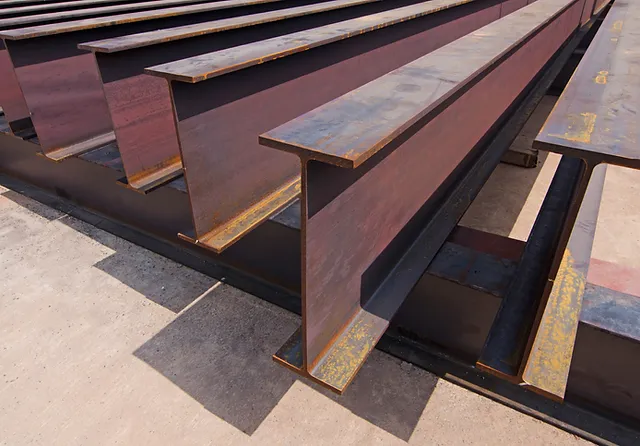
Both ferrous and non-ferrous metals are widely recycled across the country. Ferrous metals, such as iron and steel, are magnetic and make up the largest portion of recycled metals by volume. Non-ferrous metals, including aluminum, copper, brass, and zinc, are valuable due to their properties and demand in manufacturing.
- Steel: Used in construction, automotive, and appliances. Steel is one of the most recycled materials globally.
- Aluminum: Common in beverage cans, window frames, and aircraft parts. Recycling aluminum saves up to 95% of the energy required for primary production.
- Copper: Essential for electrical wiring, plumbing, and electronics. Copper retains its quality through multiple recycling cycles.
- Brass and Bronze: Often found in fixtures, valves, and decorative items.
- Lead: Primarily recycled from batteries and used in new battery production.
Environmental and Economic Benefits of Metal Recycling
Effective metal recycling in the U.S. delivers significant environmental and economic advantages. By reusing existing materials, the industry reduces the need for mining, conserves energy, and limits pollution. According to industry research, recycling metals can cut greenhouse gas emissions by up to 80% compared to producing metals from raw ore.
On the economic side, the sector supports hundreds of thousands of jobs and generates billions in revenue annually. Manufacturers benefit from lower material costs, while municipalities save on landfill expenses. For a deeper look at these advantages, see this comprehensive overview of the benefits of recycling metals.
Challenges Facing the U.S. Metal Recycling Industry
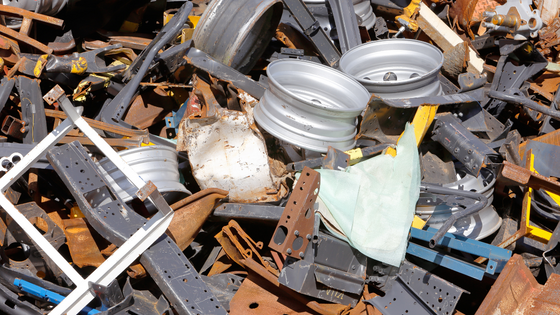
Despite its strengths, the American metal recycling sector faces several obstacles. Contamination of scrap materials, fluctuating commodity prices, and evolving regulations can impact profitability and efficiency. For example, improper disposal of non-metallic items or hazardous substances can lower the quality of recycled metals and increase processing costs.
Additionally, global market shifts and trade policies influence demand and pricing. To address these challenges, many facilities are investing in advanced sorting technologies and staff training. Manufacturers can also contribute by designing products for easier disassembly and recycling, as discussed in resources like steel stamping edge quality optimization.
Best Practices for Improving Metal Recycling Outcomes
Enhancing the effectiveness of metal recycling in the U.S. requires collaboration across the supply chain. Here are some actionable strategies:
- Source Separation: Encourage businesses and consumers to separate metals from other waste streams to reduce contamination.
- Education and Training: Provide guidance on proper disposal and recycling methods. Facilities can benefit from operator training, such as outlined in how to train operators for steel stamping safety.
- Invest in Technology: Upgrade sorting and processing equipment to improve recovery rates and material quality.
- Design for Recycling: Manufacturers should consider recyclability during product development, making disassembly and material separation easier.
- Monitor Regulations: Stay informed about local, state, and federal recycling requirements to ensure compliance and maximize incentives.
Future Trends in Metal Recycling Across America
The future of metal recycling in the United States is shaped by technological innovation, policy changes, and shifting consumer expectations. Automation, artificial intelligence, and robotics are increasingly used to improve sorting accuracy and reduce labor costs. Circular economy initiatives are gaining traction, encouraging manufacturers to use more recycled content and design products for longevity.
Environmental regulations and extended producer responsibility laws may further drive improvements in recycling rates and material recovery. As sustainability becomes a higher priority for businesses and consumers alike, the demand for recycled metals is likely to grow.
Frequently Asked Questions
What metals can be recycled in the United States?
Most metals are recyclable, including steel, iron, aluminum, copper, brass, lead, and zinc. Some specialty metals, such as titanium and nickel alloys, are also processed at specialized facilities.
How does recycling metal benefit the environment?
Recycling metals conserves natural resources, reduces energy consumption, and lowers greenhouse gas emissions. It also keeps valuable materials out of landfills and minimizes the environmental impact of mining and refining.
What are common challenges in the American metal recycling industry?
Key challenges include contamination of scrap, fluctuating market prices, regulatory changes, and the need for advanced sorting technology. Addressing these issues requires ongoing investment and collaboration across the supply chain.