
Metal recycling in developing countries plays a crucial role in resource conservation, economic development, and environmental protection. As urbanization and industrialization accelerate in many regions, the demand for metals rises, making efficient recycling systems more important than ever. However, the approaches, challenges, and opportunities for recycling metals in these nations differ significantly from those in more developed economies.
This article explores the current landscape of metal recovery, highlights innovative local solutions, and examines the barriers faced by communities and industries. For those interested in improving efficiency in related manufacturing processes, learning about how to optimize scrap chute angles can further enhance material management and reduce waste.
Overview of Metal Recovery Approaches in Emerging Economies
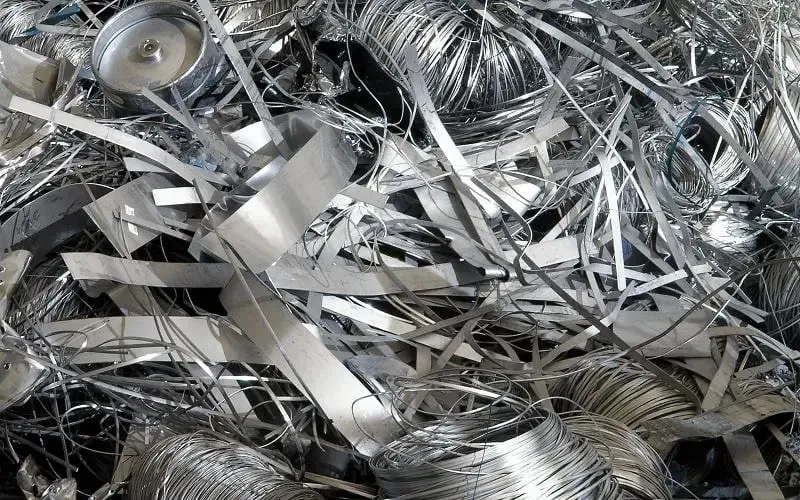
The process of reclaiming metals in less industrialized regions often relies on a combination of formal and informal systems. While large-scale facilities exist in some urban centers, much of the work is done by small enterprises and individuals who collect, sort, and sell scrap materials. This grassroots approach is both a strength and a challenge: it provides income for millions, but can lack the safety and efficiency of more regulated operations.
Commonly recycled metals include steel, aluminum, copper, and brass. Collection methods range from door-to-door gathering to organized buy-back centers. In many cities, informal collectors—sometimes called “waste pickers”—play a vital role in diverting valuable materials from landfills. Their efforts are essential for keeping metals in circulation, but they often operate without adequate protective equipment or access to modern processing technology.
Key Benefits of Metal Recycling for Developing Nations
Implementing robust metal recycling systems brings a range of advantages. Some of the most significant benefits include:
- Resource Conservation: Recycling metals reduces the need for virgin mining, preserving natural resources and lowering energy consumption.
- Economic Opportunities: The sector creates jobs at every stage—from collection and sorting to processing and manufacturing.
- Environmental Protection: By keeping metals out of landfills and reducing mining activities, recycling helps decrease pollution and greenhouse gas emissions.
- Urban Cleanliness: Organized collection and recycling efforts help keep cities cleaner and reduce the spread of hazardous waste.
For a deeper understanding of the positive impacts, see this overview of the benefits of recycling metals.
Challenges Facing Metal Recycling in Developing Countries
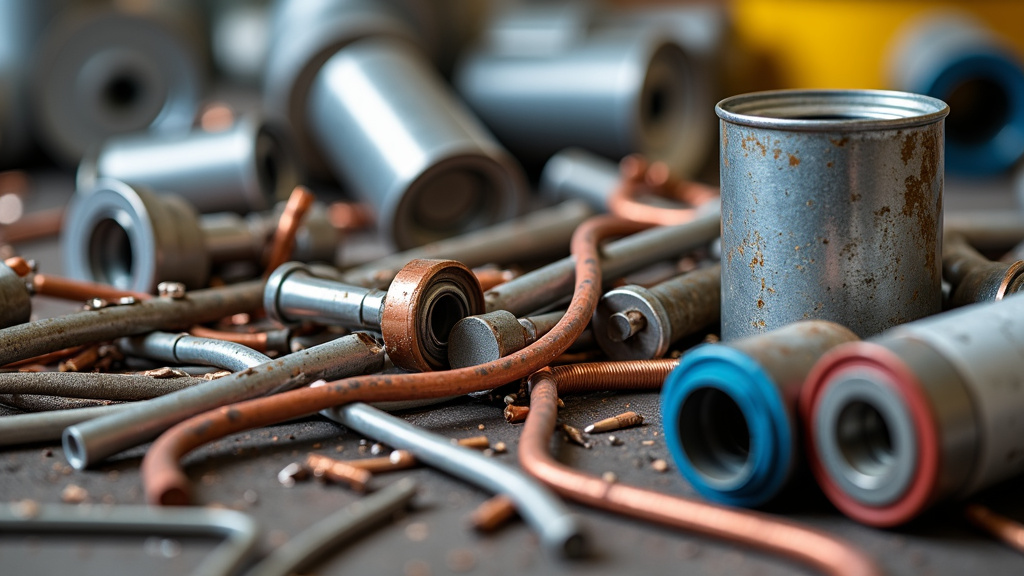
Despite the clear advantages, several obstacles hinder the growth of efficient metal recycling in developing countries:
- Limited Infrastructure: Many regions lack modern sorting, shredding, and smelting facilities, making it difficult to process scrap efficiently.
- Health and Safety Risks: Informal workers are often exposed to sharp objects, toxic substances, and unsafe working conditions.
- Market Instability: Fluctuating global metal prices can make recycling less profitable and discourage investment in better technology.
- Regulatory Gaps: Weak enforcement of environmental and labor regulations can lead to unsafe practices and environmental harm.
- Public Awareness: Many communities are unaware of the environmental and economic benefits of recycling, leading to low participation rates.
Addressing these challenges requires coordinated efforts from governments, NGOs, and the private sector. Investments in education, infrastructure, and policy reform are essential for building safer and more sustainable recycling systems.
Innovative Solutions and Local Initiatives
Across the globe, creative approaches are emerging to improve metal recovery in resource-constrained settings. Some cities have introduced formal partnerships between municipalities and informal collectors, providing training, equipment, and fair compensation. Others are piloting small-scale, low-cost shredding and sorting technologies that can be operated by local cooperatives.
In some cases, manufacturers are working directly with recyclers to ensure a steady supply of high-quality scrap. This not only supports local economies but also helps companies meet sustainability targets and reduce production costs. For those involved in metal forming or fabrication, understanding steel stamping material yield strength considerations can further optimize the use of recycled materials.
Best Practices for Improving Scrap Metal Management
To enhance the efficiency and safety of metal recycling in emerging markets, several best practices can be adopted:
- Community Education: Raising awareness about the value of recycling encourages participation and improves material quality.
- Worker Training: Providing safety gear and training reduces injuries and improves productivity.
- Investment in Technology: Affordable shredders, balers, and sorting machines can significantly boost recovery rates.
- Policy Support: Clear regulations and incentives for recycling businesses foster growth and compliance.
- Collaboration: Partnerships between governments, businesses, and local organizations can pool resources and share expertise.
Manufacturers and recyclers can also benefit from learning about best practices for stamping coated steels to minimize damage and maximize the value of recycled metals.
Future Outlook for Metal Recycling in Emerging Markets
The future of metal recycling in developing countries is promising, but it will require sustained effort and innovation. As global demand for metals continues to grow, these regions have an opportunity to become leaders in sustainable resource management. By investing in infrastructure, supporting local initiatives, and fostering public-private partnerships, developing economies can build resilient recycling industries that benefit both people and the planet.
Ongoing research and technology transfer from more advanced markets can help bridge gaps in expertise and equipment. As more stakeholders recognize the economic and environmental value of recycling, the sector is likely to attract greater investment and policy support.
Frequently Asked Questions
What metals are most commonly recycled in developing regions?
The most frequently recycled metals include steel, aluminum, copper, and brass. These materials are widely used in construction, manufacturing, and consumer goods, making them readily available for collection and reuse.
How does informal recycling contribute to local economies?
Informal recycling provides income for millions of people, especially in urban areas. Collectors gather, sort, and sell scrap metals, supporting their families and contributing to the local supply chain. While informal work can lack safety standards, it remains a vital part of the recycling ecosystem.
What are the main obstacles to efficient metal recycling in developing countries?
Key challenges include limited access to modern processing facilities, health and safety risks for workers, unstable market prices, and weak regulatory enforcement. Addressing these issues requires investment in infrastructure, education, and policy reform.