
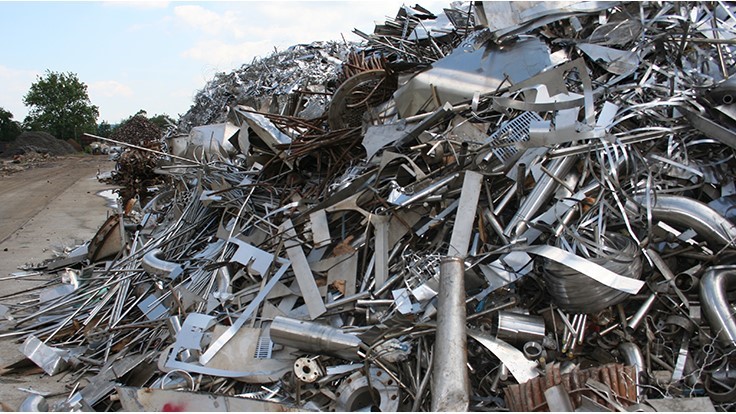
Manufacturing facilities generate large volumes of scrap metal, making efficient recycling a critical component of sustainable operations. Implementing metal recycling best practices for manufacturers not only reduces environmental impact but also helps companies recover value from waste, comply with regulations, and improve their bottom line. This article explores practical strategies for optimizing metal recycling processes in industrial settings, from sorting and collection to working with recycling partners and training staff.
For manufacturers involved in steel stamping and fabrication, integrating recycling protocols can also support quality improvement and operational efficiency. For example, adopting best practices for stamping coated steels can minimize contamination in scrap streams, further enhancing recycling outcomes.
Why Efficient Metal Recycling Matters in Manufacturing
Metal production is resource-intensive, requiring significant energy and raw materials. By recycling scrap generated during manufacturing, companies can:
- Conserve natural resources by reducing the need for virgin ore extraction.
- Lower energy consumption, as recycling metals typically uses less energy than primary production.
- Reduce landfill waste and associated disposal costs.
- Comply with environmental regulations and demonstrate corporate responsibility.
- Recover financial value from scrap materials that can be sold or reused.
For a deeper look at the environmental and economic advantages, see this comprehensive overview of metal recycling benefits.
Key Steps for Implementing Metal Recycling in Industrial Settings
Adopting a systematic approach to metal recycling ensures maximum recovery and minimal contamination. Here are the core steps manufacturers should follow:
1. Assess and Map Scrap Generation Points
Begin by identifying where and how scrap metal is produced within your facility. Common sources include stamping, machining, assembly, and packaging areas. Mapping these points helps determine the types and volumes of metals available for recycling and informs the placement of collection bins and containers.
2. Segregate Metals at the Source
Proper sorting is essential to maintain the value of recyclable metals. Manufacturers should:
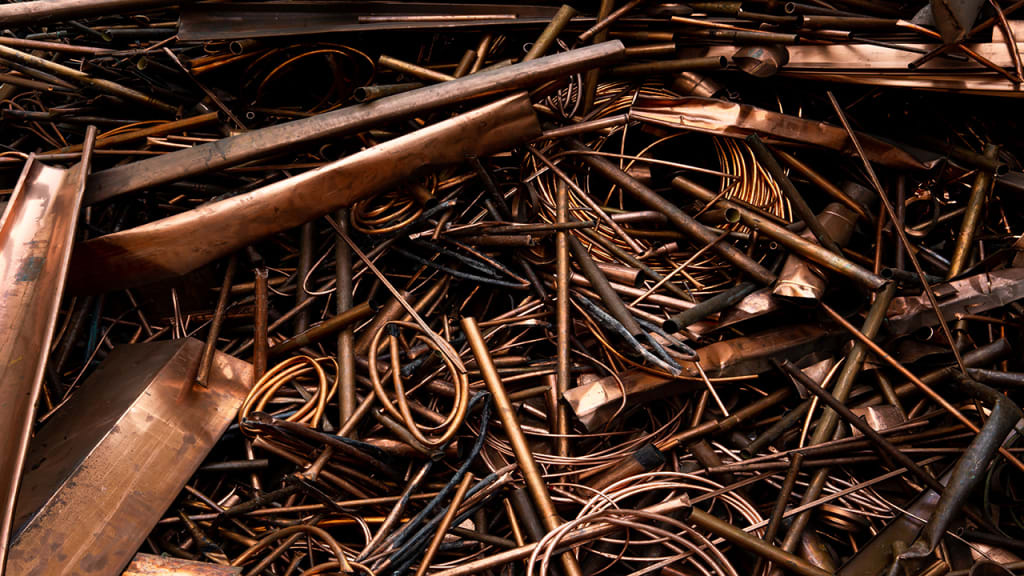
- Use clearly labeled bins for different metals (e.g., steel, aluminum, copper).
- Train employees to avoid mixing metals or introducing contaminants such as oils, plastics, or coatings.
- Consider color-coding or signage to reinforce correct sorting procedures.
Segregation at the source reduces downstream processing costs and increases the likelihood that scrap will be accepted by recyclers at higher rates.
3. Invest in the Right Equipment
Efficient handling and processing of scrap metal often require specialized equipment. Depending on your operation’s scale, consider:
- Industrial shredders or shears to reduce scrap size for easier transport and processing.
- Magnetic separators for ferrous/non-ferrous sorting.
- Balers and compactors to maximize storage and shipping efficiency.
Automating certain steps can improve safety and consistency, especially in high-volume environments.
4. Partner with Reputable Metal Recyclers
Establish relationships with certified recycling companies that can handle your specific scrap types. Look for partners who offer:
- Transparent pricing and documentation.
- On-site collection or scheduled pickups.
- Guidance on best practices for preparing scrap for recycling.
Regular communication with your recycling partner can help you stay updated on market trends and compliance requirements.
Strategies to Maximize Recycling Efficiency
Beyond basic collection and sorting, manufacturers can further improve recycling outcomes by refining their processes and engaging employees.
Employee Training and Engagement
A well-informed workforce is critical for successful recycling. Provide training on:
- Identifying different types of metals and contaminants.
- Proper use of collection bins and equipment.
- Reporting issues such as overflowing containers or contamination incidents.
Consider periodic refreshers and visual reminders to reinforce best practices.
Continuous Improvement and Monitoring
Track key metrics such as scrap generation rates, contamination levels, and recycling revenue. Use this data to identify bottlenecks or areas for improvement. Regular audits can help ensure compliance and uncover opportunities to optimize processes.
For those involved in steel fabrication, reviewing steel stamping edge quality optimization can also contribute to cleaner scrap streams and better recycling outcomes.
Compliance, Safety, and Environmental Considerations
Following regulations is essential for manufacturers handling scrap metal. Key considerations include:
- Adhering to local, state, and federal waste management laws.
- Ensuring proper storage to prevent leaks or environmental contamination.
- Maintaining records of scrap shipments and recycling activities for audits.
Safety is also paramount. Provide personal protective equipment (PPE) and ensure that handling and processing equipment is well-maintained. For guidance on operator training, review how to train operators for steel stamping safety.
Integrating Metal Recycling with Broader Sustainability Goals
Recycling is a foundational element of sustainable manufacturing. By aligning recycling initiatives with broader environmental, social, and governance (ESG) objectives, companies can:
- Reduce their overall carbon footprint.
- Enhance brand reputation among customers and partners.
- Meet industry certifications and standards for sustainable operations.
Regularly reviewing and updating recycling protocols ensures alignment with evolving sustainability targets and stakeholder expectations.
Frequently Asked Questions
What are the most common mistakes manufacturers make in metal recycling?
The most frequent errors include failing to properly sort metals, allowing contamination with non-metal materials, and neglecting to train staff. These issues can lower the value of scrap and increase processing costs.
How can manufacturers ensure compliance with recycling regulations?
Stay informed about local and national regulations, maintain accurate records of recycling activities, and work with certified recycling partners. Regular audits and employee training also help ensure ongoing compliance.
What equipment is essential for efficient metal recycling in manufacturing?
Key equipment includes shredders, shears, magnetic separators, and balers. The right combination depends on the types and volumes of scrap generated. Investing in automation can further improve efficiency and safety.
Conclusion
Adopting robust metal recycling best practices for manufacturers delivers clear benefits for the environment, regulatory compliance, and profitability. By focusing on segregation, equipment, training, and continuous improvement, manufacturing facilities can turn scrap metal from a liability into a valuable resource. Integrating recycling with broader sustainability strategies ensures long-term operational success and a positive impact on the planet.