
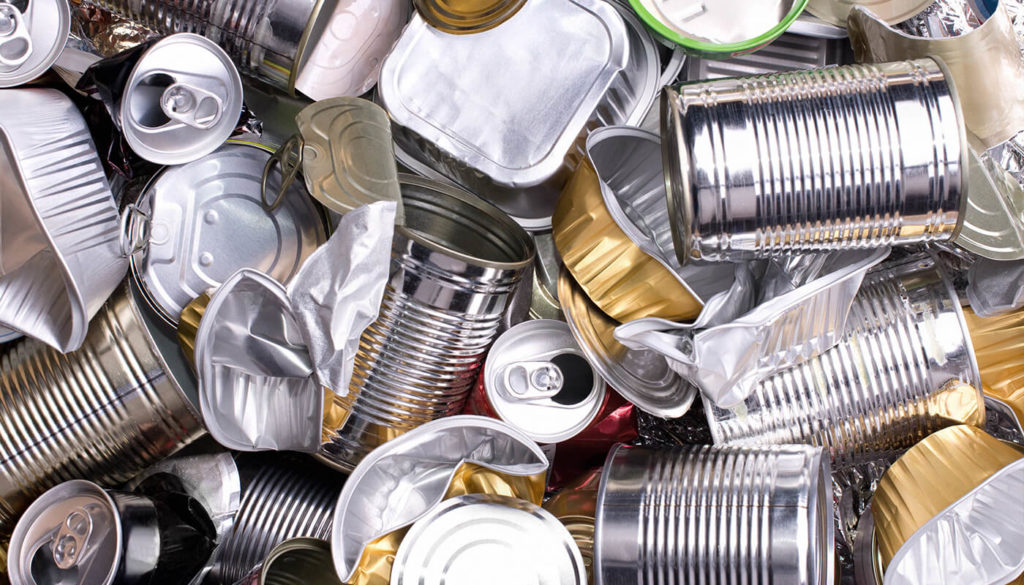
As industries and communities strive for greater sustainability, understanding metal recycling and life cycle assessment becomes increasingly important. These two concepts are closely linked, offering a comprehensive view of how metals can be reused efficiently while minimizing environmental impact. This guide explores the fundamentals of metal reuse, how life cycle analysis is applied, and why these practices are essential for both business and environmental goals.
Whether you are a manufacturer, recycler, or simply interested in sustainable practices, learning about the journey of metals from production to reuse can help inform better decisions. For those working in metal fabrication, integrating recycling with process optimization—such as following best practices for stamping coated steels—can further enhance efficiency and reduce waste.
Understanding the Basics of Metal Reuse and Environmental Analysis
The process of reprocessing metals involves collecting, sorting, and transforming scrap into valuable raw materials. This not only conserves natural resources but also reduces the energy required compared to primary production. Life cycle assessment (LCA) is a scientific method used to evaluate the environmental impacts associated with all stages of a product’s life—from raw material extraction through manufacturing, use, and end-of-life disposal or recycling.
By combining these two approaches, organizations can identify opportunities to minimize emissions, conserve resources, and make informed choices about material sourcing and waste management.
Why Metal Reuse Matters for Sustainability
Metals such as steel, aluminum, copper, and brass are among the most recycled materials worldwide. The benefits of reusing these resources extend far beyond landfill diversion:
- Resource Conservation: Recycling reduces the need for mining and extraction, preserving finite natural resources.
- Energy Savings: Producing metals from scrap typically uses significantly less energy than from virgin ore. For example, recycled aluminum requires up to 95% less energy.
- Lower Emissions: Less energy consumption means fewer greenhouse gases and pollutants are released.
- Economic Value: The recycling industry creates jobs and supports local economies by turning waste into valuable commodities.
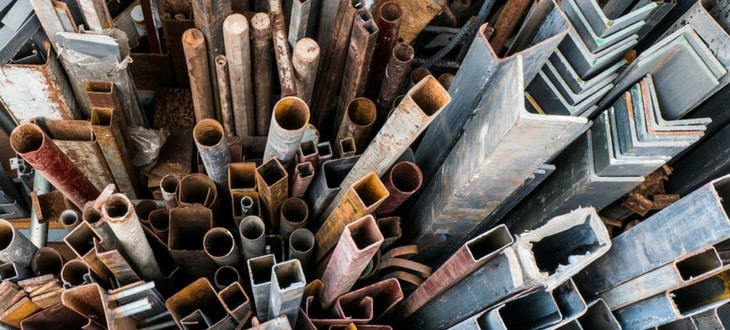
Applying Life Cycle Assessment to Metal Recycling
Conducting a life cycle assessment for metals involves evaluating the environmental impact at each stage:
- Raw Material Extraction: Assessing the environmental costs of mining and processing ores.
- Production: Measuring energy use and emissions during manufacturing.
- Use Phase: Considering the longevity and performance of metal products.
- End-of-Life: Analyzing how metals are collected, sorted, and processed for reuse or disposal.
LCA helps identify where the most significant environmental impacts occur and where improvements can be made. For example, using recycled content in steel production can dramatically lower the overall carbon footprint.
Commonly Recycled Metals and Their Impact
Not all metals are recycled at the same rate or with the same efficiency. Non-ferrous metals such as aluminum, copper, and brass are highly valued due to their properties and ease of reprocessing. Ferrous metals like steel are also widely reused, especially in construction and automotive industries.
For a detailed look at which non-ferrous metals are most commonly recycled and their specific benefits, see this guide to commonly recycled non-ferrous metals.
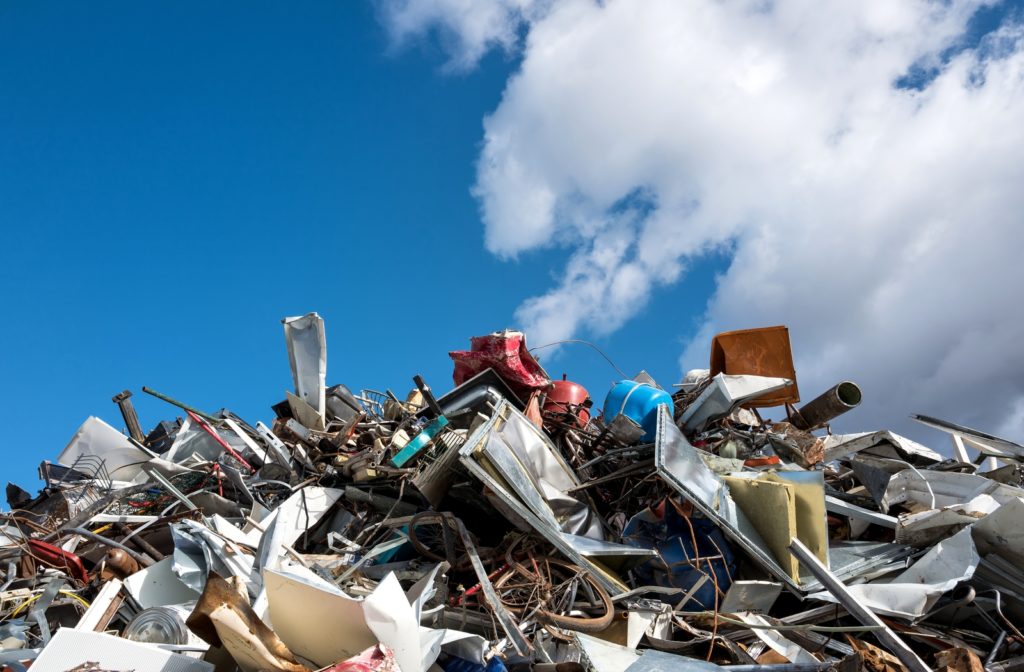
Challenges and Opportunities in Metal Recovery and Assessment
While the benefits are clear, there are challenges to maximizing the value of metal reuse and environmental analysis:
- Contamination: Mixed or dirty scrap can reduce quality and increase processing costs.
- Collection Systems: Efficient collection and sorting infrastructure is essential for high recovery rates.
- Data Accuracy: Reliable data is needed for effective life cycle analysis and decision-making.
- Market Fluctuations: Prices for scrap metals can vary, affecting the economics of recycling.
Despite these obstacles, advances in sorting technology, better product design for recyclability, and increased consumer awareness are driving improvements. Manufacturers can further optimize their operations by considering steel stamping edge quality optimization and other process enhancements alongside recycling strategies.
Integrating Metal Recovery with Industrial Processes
For industries involved in metalworking, integrating recycling with production processes can yield significant benefits. For example, stamping plants can reduce waste and improve efficiency by training operators in safety and compliance, as outlined in how to train operators for steel stamping safety. Additionally, managing secondary operations and lubrication runoff are important considerations for a holistic approach to sustainability.
By viewing recycling as part of a broader life cycle strategy, companies can better align their environmental and economic objectives.
Frequently Asked Questions
What is the main goal of combining metal recycling with life cycle assessment?
The primary aim is to understand and minimize the total environmental impact of metals throughout their entire lifespan. By evaluating each stage, organizations can make informed decisions that reduce resource use, emissions, and waste.
Which metals are most commonly recycled, and why?
Steel, aluminum, copper, and brass are among the most frequently recycled due to their high value, ease of reprocessing, and widespread use in various industries. Non-ferrous metals, in particular, retain their properties after multiple recycling cycles, making them especially valuable.
How does life cycle assessment improve recycling practices?
Life cycle assessment provides a data-driven framework to identify where environmental impacts are greatest and where improvements can be made. This helps organizations target their efforts, invest in better technologies, and design products that are easier to recycle.
Conclusion: The Future of Metal Sustainability
The synergy between metal recycling and life cycle assessment is crucial for building a more sustainable future. By understanding the environmental implications of metal use and recovery, industries and individuals can make choices that benefit both the planet and the economy. As technology advances and awareness grows, the potential for even greater resource efficiency and reduced environmental impact will continue to expand.