
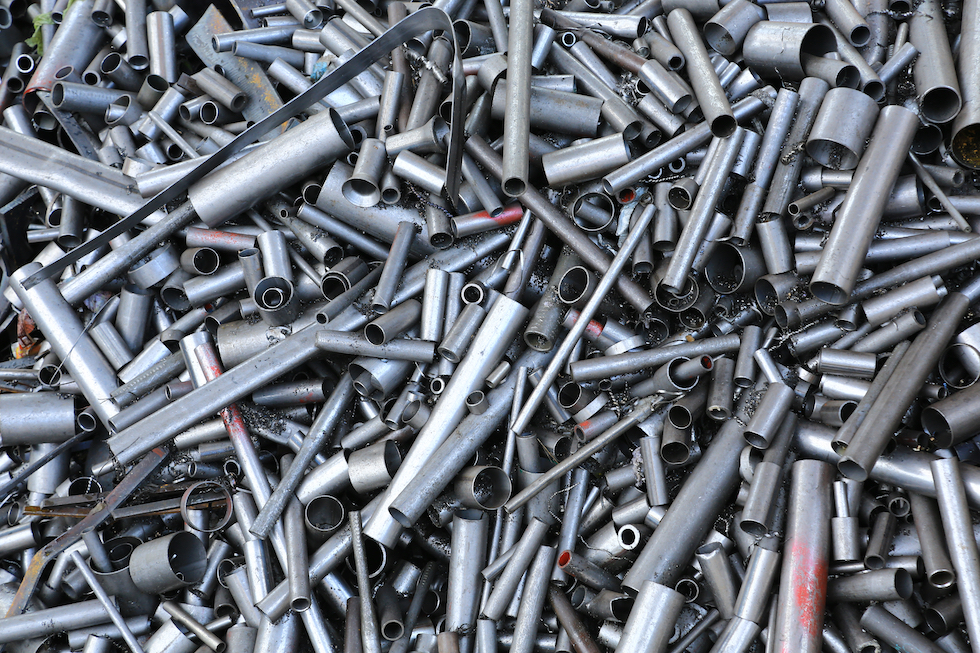
As global industries grow and environmental concerns intensify, the importance of metal recycling and corporate responsibility has never been greater. Businesses today face increasing pressure from regulators, consumers, and stakeholders to adopt sustainable practices. Efficient management of metal waste is not just an environmental necessity—it’s a strategic business decision that can drive cost savings, compliance, and brand reputation.
This article offers a clear overview of how organizations can integrate responsible metal recycling into their operations. We’ll cover the environmental and economic benefits, discuss best practices, and highlight the evolving expectations for corporate stewardship in the metals sector. For those in manufacturing, understanding these principles is essential for long-term success and compliance.
Companies involved in steel fabrication and stamping can further enhance their sustainability efforts by adopting best practices for stamping coated steels to minimize waste and damage, ensuring a more circular approach to metal use.
The Role of Metal Recycling in Corporate Sustainability
Integrating metal recycling into business operations is a cornerstone of modern sustainability strategies. By diverting scrap metal from landfills and reintroducing it into the production cycle, companies reduce their environmental footprint and conserve finite resources. This approach aligns with broader corporate responsibility goals, such as lowering greenhouse gas emissions and supporting circular economy initiatives.
Many organizations now see recycling not just as a regulatory requirement, but as a way to demonstrate leadership in environmental stewardship. This shift is driven by consumer demand for greener products and by the need to comply with increasingly strict environmental standards.
Why Corporate Responsibility Matters in Metal Management
Embracing corporate responsibility in metal waste management extends beyond compliance. It signals a commitment to ethical sourcing, transparent reporting, and proactive risk management. Companies that prioritize responsible recycling often benefit from:
- Cost savings through reduced raw material purchases and lower disposal fees
- Improved brand reputation among environmentally conscious customers and investors
- Regulatory compliance and reduced risk of penalties
- Access to new markets that require sustainable sourcing and production practices
For manufacturers, especially those involved in steel stamping or fabrication, integrating responsible recycling can also support operational efficiency and product quality. For example, following steel stamping edge quality optimization guidelines can help minimize waste and improve the recyclability of offcuts.
Types of Metals Commonly Recycled and Their Impact
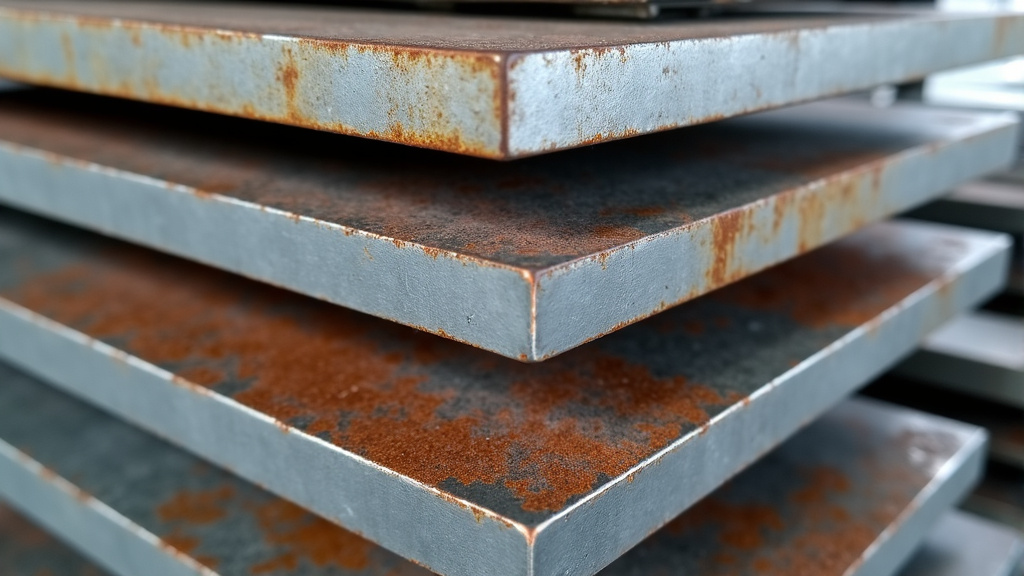
Not all metals are created equal when it comes to recycling. Ferrous metals like steel and iron are widely recycled due to their magnetic properties and abundance in industrial waste streams. Non-ferrous metals such as aluminum, copper, and brass are also highly valued for their ability to be recycled repeatedly without loss of quality.
Understanding the different types of metal that can be recycled helps companies optimize their recycling programs and maximize both environmental and financial returns.
- Steel: Used in construction, automotive, and appliances; recycling steel saves significant energy compared to producing new steel from ore.
- Aluminum: Common in packaging and transportation; recycling aluminum uses up to 95% less energy than primary production.
- Copper: Essential for electrical wiring and plumbing; recycled copper maintains its conductivity and value.
By sorting and processing these metals efficiently, companies can reduce contamination, improve recycling rates, and support a more sustainable supply chain.
Best Practices for Responsible Metal Recycling
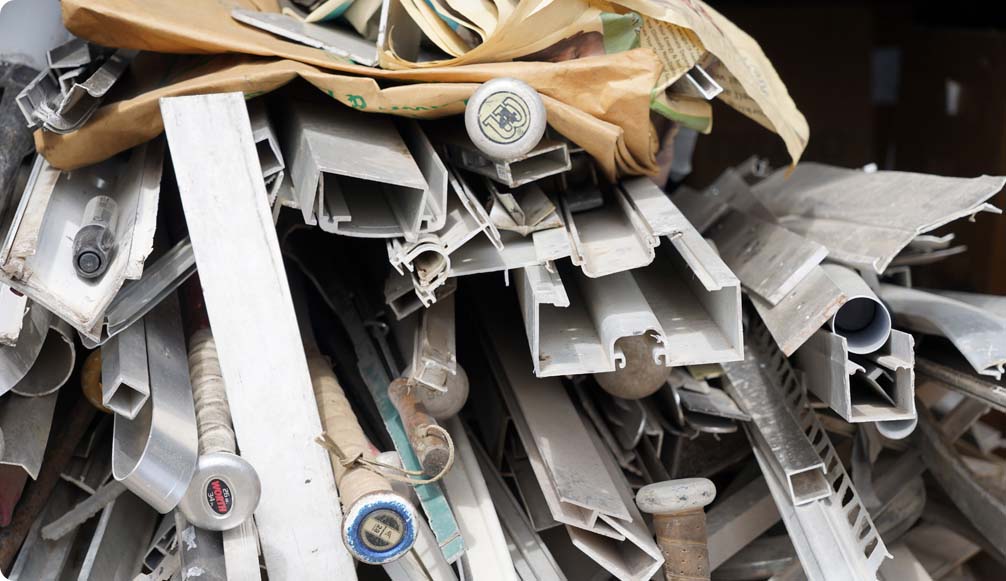
To fully realize the benefits of sustainable metal management, companies should implement structured recycling programs. Key steps include:
- Conducting waste audits to identify sources and types of metal scrap
- Training employees on proper sorting and handling procedures
- Partnering with certified recyclers to ensure ethical and compliant processing
- Tracking recycling metrics and reporting progress to stakeholders
- Investing in equipment such as shredders or balers to streamline collection and processing
For facilities with complex operations, such as stamping plants, it’s also important to consider how to manage lubrication runoff in stamping to prevent contamination of recyclable materials.
Corporate Responsibility in Action: Real-World Examples
Leading manufacturers are setting new standards for responsible metal management. Many have established closed-loop systems, where scrap generated during production is collected, processed, and reused in-house. Others have formed partnerships with recyclers to ensure traceability and compliance throughout the supply chain.
Some organizations go further by publishing annual sustainability reports, detailing their recycling rates and environmental impact reductions. These efforts not only demonstrate accountability but also help attract customers and investors who prioritize environmental, social, and governance (ESG) criteria.
Challenges and Opportunities Ahead
While the benefits of responsible metal recycling are clear, companies may face challenges such as fluctuating commodity prices, evolving regulations, and the need for ongoing employee training. However, these obstacles also present opportunities for innovation and leadership.
By staying informed about industry trends and adopting a proactive approach, businesses can turn sustainability into a competitive advantage. Resources like how to train operators for steel stamping safety offer practical guidance for building a culture of responsibility from the ground up.
Frequently Asked Questions
What are the main benefits of implementing a metal recycling program in a corporate setting?
The primary advantages include reduced raw material costs, lower waste disposal fees, improved regulatory compliance, and enhanced corporate reputation. Effective recycling programs also contribute to environmental goals by conserving resources and minimizing landfill use.
How can companies ensure their metal recycling practices are responsible and compliant?
Businesses should partner with certified recyclers, conduct regular waste audits, provide employee training, and maintain transparent records. Adhering to industry standards and reporting progress to stakeholders further supports responsible practices.
Which metals offer the highest value when recycled?
Non-ferrous metals such as aluminum and copper typically offer the highest market value due to their properties and demand. However, ferrous metals like steel are also important because of their volume and widespread use in manufacturing.
How does responsible metal management support broader corporate sustainability goals?
Integrating metal recycling helps companies reduce their environmental impact, meet regulatory requirements, and align with ESG criteria. It also supports resource efficiency and can open up new business opportunities in sustainable markets.