
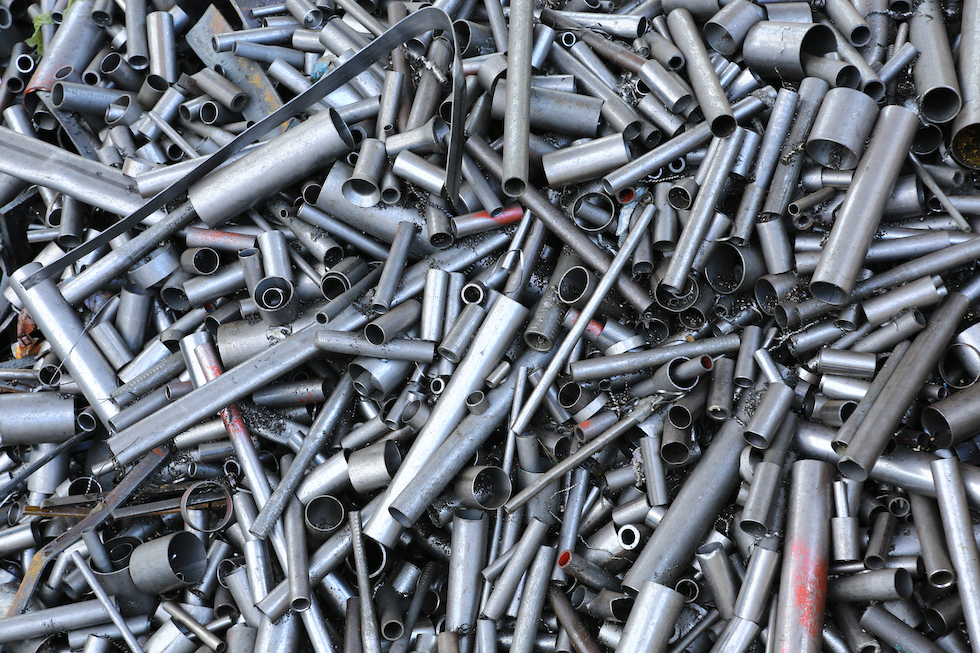
The shift toward a more sustainable economy has placed metal recycling and circular design at the forefront of industrial innovation. As industries face mounting pressure to reduce waste and conserve resources, integrating recycled metals and circular principles into product development is becoming essential. This approach not only conserves valuable materials but also minimizes environmental impact and supports long-term economic resilience.
Understanding how recycled metals fit into a circular framework is crucial for manufacturers, designers, and businesses aiming to future-proof their operations. By closing the loop on material use, companies can reduce costs, comply with regulations, and meet growing consumer demand for environmentally responsible products. For those working in metalworking or manufacturing, topics like how to optimize scrap chute angles and maximizing material yield are closely tied to these broader sustainability goals.
The Role of Metal Recycling in Sustainable Manufacturing
Recycling metals is a cornerstone of sustainable manufacturing. Metals such as steel, aluminum, copper, and brass can be recycled repeatedly without losing their properties. This makes them ideal candidates for circular systems, where materials are kept in use for as long as possible. By reprocessing scrap metal, manufacturers can significantly lower their energy consumption compared to using virgin ore, resulting in fewer greenhouse gas emissions and less environmental degradation.
For example, recycling aluminum saves up to 95% of the energy required to produce it from raw materials. Similarly, recycled steel uses about 60% less energy than new steel production. These savings translate into reduced operational costs and a smaller carbon footprint, making metal recycling a practical and profitable strategy for businesses committed to sustainability.
Principles of Circular Product Design for Metals
Circular product design focuses on creating products that are durable, repairable, and easy to disassemble for recycling at the end of their life cycle. When applied to metal products, this means selecting alloys that are widely recyclable, minimizing the use of coatings or composites that hinder recycling, and designing components for straightforward separation.
Key principles include:
- Design for Disassembly: Ensuring that products can be easily taken apart so that metal components can be recovered with minimal contamination.
- Material Transparency: Clearly labeling materials and using standardized alloys to simplify sorting and recycling.
- Extended Product Life: Prioritizing durability and repairability to keep products in use longer, delaying the need for recycling.
By incorporating these principles, manufacturers can support a closed-loop system where metals are continually cycled back into production, reducing reliance on finite resources.
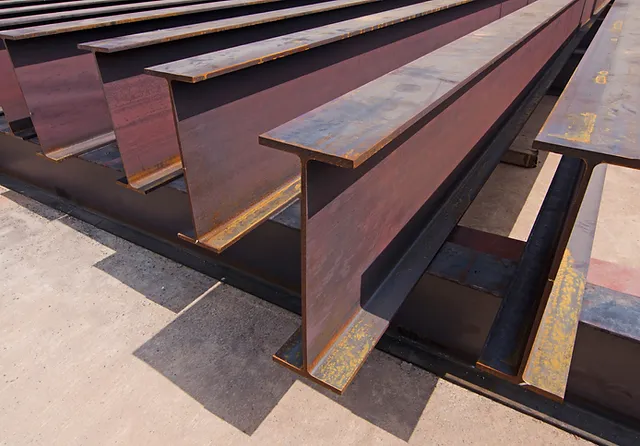
Commonly Recycled Metals and Their Applications
Various metals are recycled on a large scale, each with distinct properties and uses. Non-ferrous metals like copper, aluminum, and brass are especially valuable due to their high market demand and ease of recycling. Ferrous metals, primarily iron and steel, are also widely recycled and form the backbone of many industrial applications.
Understanding which metals are most commonly recycled helps businesses identify opportunities for material recovery. For a detailed overview, see this guide to the most commonly recycled non-ferrous metals. These materials are found in everything from automotive parts and construction materials to electronics and consumer goods.
By prioritizing the use of recycled metals in product design, companies can tap into established supply chains and contribute to a more resilient, resource-efficient economy.
Integrating Circularity into Metalworking Processes
Adopting circular principles in metalworking involves more than just recycling scrap. It requires a holistic approach that considers the entire product life cycle, from material sourcing to end-of-life recovery. Some practical steps include:
- Implementing closed-loop recycling systems within manufacturing facilities.
- Collaborating with suppliers to source high-quality recycled metals.
- Using digital tools to track material flows and identify areas for improvement.
- Educating design teams on the benefits of circular product development.
These strategies not only reduce waste but also enhance operational efficiency and support compliance with emerging regulations on waste management and product stewardship.
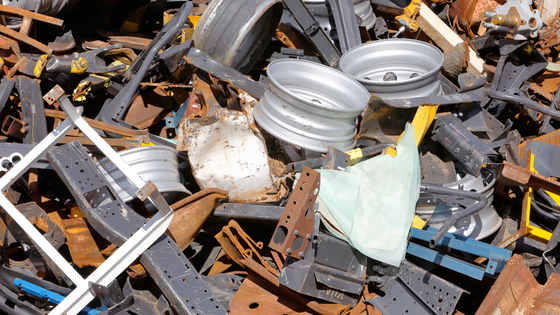
Challenges and Solutions in Closing the Metal Loop
While the benefits of circularity are clear, several challenges can hinder its implementation. Contamination of scrap, lack of standardized material labeling, and complex product assemblies can make recycling less efficient. Additionally, fluctuating commodity prices and limited access to high-quality recycled feedstock may discourage some manufacturers from fully embracing circular models.
To address these issues, industry leaders are investing in advanced sorting technologies, promoting the use of standardized materials, and developing partnerships across the supply chain. Design innovation also plays a critical role—by creating products with recycling in mind, companies can simplify end-of-life processing and improve material recovery rates.
For those interested in optimizing their own processes, exploring topics like steel stamping material yield strength considerations and best practices for stamping coated steels can provide valuable insights into maximizing the value of recycled metals.
Benefits of Embracing Metal Recycling and Circular Design
Integrating circularity into metal product development delivers a range of tangible benefits:
- Resource Conservation: Reduces the need for virgin raw materials, preserving natural resources for future generations.
- Cost Savings: Lowers production costs by minimizing waste and energy use.
- Regulatory Compliance: Helps businesses meet increasingly stringent environmental standards and reporting requirements.
- Market Differentiation: Appeals to environmentally conscious consumers and business partners.
- Innovation: Drives the development of new products and business models centered around sustainability.
As the global economy continues to evolve, companies that invest in circularity will be better positioned to adapt to changing market demands and regulatory landscapes.
Frequently Asked Questions
What metals are most suitable for circular product design?
Metals like steel, aluminum, and copper are highly suitable due to their ability to be recycled multiple times without losing quality. Using these materials in product design supports efficient recycling and resource conservation.
How can manufacturers ensure their products are recyclable?
Manufacturers can design for disassembly, use standardized and clearly labeled materials, and avoid unnecessary coatings or composites that complicate recycling. Collaborating with recycling partners during the design phase also helps ensure end-of-life recovery.
What are the main barriers to implementing circularity in metalworking?
Common challenges include contamination of scrap, lack of material transparency, and complex product assemblies. Addressing these barriers requires investment in technology, better design practices, and strong collaboration across the supply chain.
How does circular design benefit the environment?
By keeping metals in use longer and reducing the need for new raw materials, circular design lowers greenhouse gas emissions, conserves resources, and minimizes landfill waste.
Embracing metal recycling and circular design is not just an environmental imperative—it’s a smart business strategy that can drive innovation, reduce costs, and ensure long-term success in a rapidly changing world.