
Environmental, Social, and Governance (ESG) standards are rapidly transforming the way manufacturers in the metal sector operate. As expectations grow from regulators, investors, and customers, companies are reevaluating their processes to align with responsible and sustainable business models. Adopting metal industry ESG practices is no longer optional—it’s a strategic imperative for those who want to remain competitive and resilient in a changing global landscape.
For manufacturers, integrating ESG principles means not only reducing environmental impact but also fostering a safe workplace and upholding ethical governance. This guide explores how modern metal producers can implement effective ESG strategies, drawing on industry best practices and innovations. For those interested in advanced solutions, exploring advanced materials recovery systems can offer significant improvements in both sustainability and operational efficiency.
Understanding ESG in Metal Manufacturing
ESG frameworks provide a structured approach for evaluating a company’s impact on the environment, its social responsibilities, and the strength of its governance. In the context of metal production, these frameworks help businesses identify risks and opportunities related to resource use, emissions, labor practices, and corporate ethics.
- Environmental: Focuses on reducing emissions, conserving energy, managing waste, and sourcing raw materials responsibly.
- Social: Concerns worker safety, community engagement, diversity, and fair labor practices.
- Governance: Involves transparent management, ethical decision-making, and compliance with regulations.
By embedding ESG into their core strategies, metal manufacturers can improve operational efficiency, attract investment, and build stronger relationships with stakeholders.
Key Environmental Initiatives for Metal Producers
Reducing the environmental footprint is a central goal for companies seeking to implement metal industry ESG practices. Several initiatives are gaining traction across the sector:
- Energy Efficiency: Upgrading to energy-efficient machinery and optimizing production schedules can significantly lower energy consumption.
- Emissions Reduction: Installing advanced filtration systems and switching to cleaner fuels helps minimize air pollution and greenhouse gas output.
- Waste Management: Adopting best practices for metal waste reduction not only reduces landfill use but also recovers valuable materials for reuse.
- Water Conservation: Recycling process water and investing in closed-loop systems can cut water usage and mitigate contamination risks.
Social Responsibility in Metal Operations
Modern manufacturers recognize that social factors are just as critical as environmental ones. Key areas of focus include:
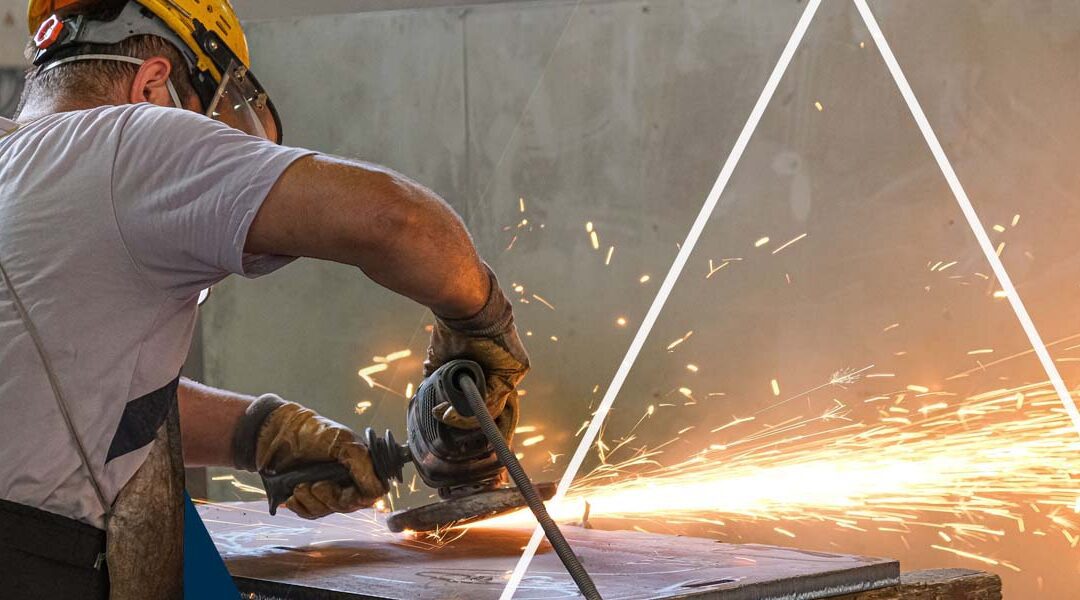
- Workplace Safety: Implementing rigorous safety protocols and investing in employee training reduces accidents and fosters a culture of responsibility.
- Diversity and Inclusion: Encouraging diverse hiring and promoting equal opportunities strengthens teams and drives innovation.
- Community Engagement: Supporting local communities through outreach programs and transparent communication builds trust and goodwill.
- Employee Well-being: Providing fair wages, benefits, and a healthy work environment improves retention and morale.
By prioritizing these aspects, companies not only comply with regulations but also enhance their reputation and attract top talent.
Governance: Building Trust Through Transparency
Strong governance is the backbone of any effective ESG program. For metal manufacturers, this means establishing clear policies, ensuring compliance, and maintaining open lines of communication with stakeholders.
- Ethical Leadership: Leaders must set the tone for integrity and accountability at every level of the organization.
- Transparent Reporting: Regularly publishing ESG performance data demonstrates commitment and allows for continuous improvement.
- Stakeholder Engagement: Listening to feedback from investors, customers, and employees helps companies adapt and thrive.
- Risk Management: Proactively identifying and addressing risks—such as supply chain disruptions or regulatory changes—protects long-term value.
For a deeper dive into real-world examples, reviewing industrial sustainability case studies metals can provide valuable insights into successful governance models.
Innovations and Trends Shaping Responsible Metal Manufacturing
The landscape of metal industry ESG practices is evolving rapidly, with new technologies and strategies emerging to meet higher standards. Some of the most impactful trends include:
- Digitalization: Smart sensors and data analytics enable real-time monitoring of emissions, energy use, and equipment health, driving efficiency and accountability.
- Circular Economy: Embracing recycling and reusing materials reduces waste and conserves resources. For more on this, see this comprehensive guide to industrial materials recycling.
- Green Procurement: Sourcing raw materials from certified, sustainable suppliers minimizes environmental impact and supports responsible mining practices.
- Automation: Robotics and automated systems not only boost productivity but also enhance worker safety by handling hazardous tasks.
Measuring and Reporting ESG Progress
To ensure accountability and continual improvement, manufacturers must track their ESG performance using clear metrics. Common approaches include:
- Setting Benchmarks: Establishing targets for emissions, energy use, and waste reduction provides a roadmap for progress.
- Third-Party Audits: Independent assessments validate ESG claims and highlight areas for improvement.
- Annual Reports: Publishing transparent updates on ESG initiatives builds trust with investors and the public.
- Certifications: Achieving recognized standards such as ISO 14001 or ResponsibleSteel demonstrates commitment to responsible practices.
For those planning future investments, examining the future of sustainable metal manufacturing can help identify emerging opportunities and challenges.
Challenges and Opportunities Ahead
While the adoption of ESG principles brings many benefits, it also presents challenges. Upfront costs, evolving regulations, and the need for cultural change can be significant hurdles. However, companies that proactively address these issues position themselves for long-term success. Benefits include:
- Reduced operational risks and liabilities
- Enhanced brand reputation and customer loyalty
- Access to new markets and investment opportunities
- Improved employee satisfaction and retention
Ultimately, manufacturers that embrace responsible business models will be better equipped to navigate industry disruptions and meet the expectations of tomorrow’s stakeholders.
FAQ: Metal Manufacturing and ESG
What does ESG mean for metal manufacturers?
ESG stands for Environmental, Social, and Governance. For metal producers, it involves adopting responsible practices that minimize environmental impact, support workers and communities, and ensure ethical management. These principles help companies comply with regulations, improve efficiency, and strengthen stakeholder trust.
How can metal plants reduce their environmental footprint?
Key strategies include investing in energy-efficient equipment, reducing emissions through cleaner fuels, recycling waste materials, and conserving water. Implementing metal industry ESG practices such as these not only benefits the environment but also leads to cost savings and improved operational performance.
Why is transparent ESG reporting important?
Transparent reporting allows companies to demonstrate their commitment to sustainability and ethical conduct. It builds trust with investors, customers, and regulators, and provides a framework for continuous improvement. Regular ESG disclosures also help identify risks and track progress toward sustainability goals.
Conclusion
The shift toward responsible manufacturing is reshaping the metal sector. By integrating metal industry ESG practices into every aspect of their operations, companies can drive innovation, reduce risks, and secure a sustainable future. For those looking to deepen their commitment, resources such as the environmental responsibility in steel companies guide offer practical steps and industry insights.