
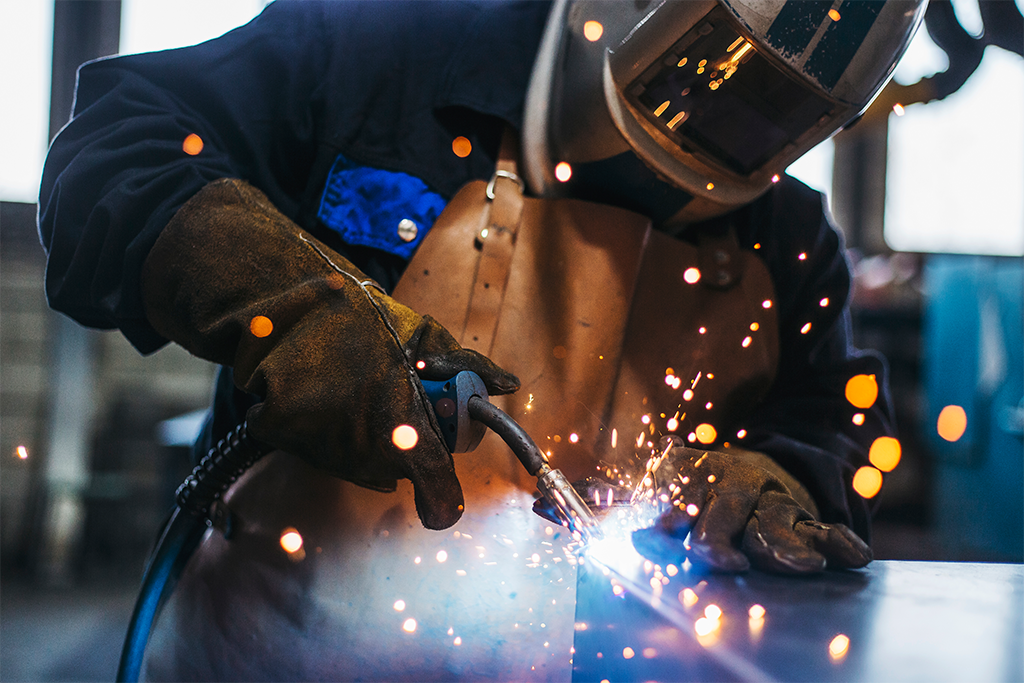
Efficient waste management is a top priority for today’s metalworking facilities. With rising material costs and growing environmental regulations, reducing scrap and optimizing resource use can make a significant difference in both profitability and sustainability. In this guide, we’ll explore practical metal fabrication waste reduction tips that can help modern shops streamline operations, minimize environmental impact, and boost their bottom line.
Whether you’re running a small fabrication shop or managing a large-scale operation, implementing effective waste reduction strategies is essential. By focusing on process improvements, material handling, and smart technology, you can transform waste from a costly problem into a valuable opportunity. For a deeper dive into plant-wide strategies, see our detailed overview of advanced materials recovery systems for metal plants.
Why Reducing Metal Waste Matters
Minimizing scrap isn’t just about saving money. It’s also about meeting environmental goals, complying with regulations, and building a reputation as a responsible manufacturer. Waste reduction in metal fabrication leads to:
- Lower material costs by maximizing yield from raw stock
- Reduced disposal expenses and landfill use
- Improved shop efficiency and workflow
- Enhanced compliance with environmental standards
- Stronger positioning for contracts with eco-conscious clients
For more on industry-wide sustainability, explore our industrial sustainability case studies in the metals sector.
Process Optimization for Less Scrap
One of the most effective metal fabrication waste reduction tips is to focus on process optimization. By refining every step, from design to finishing, shops can significantly cut down on unnecessary scrap.
Lean Manufacturing Principles
Adopting lean manufacturing helps eliminate inefficiencies that lead to waste. This includes:
- Standardizing work procedures
- Implementing just-in-time inventory
- Continuous improvement (Kaizen) initiatives
Regularly reviewing workflows and involving staff in problem-solving can uncover hidden sources of waste and unlock new efficiencies.
Precision in Cutting and Layout
Optimizing cutting patterns and nesting layouts ensures maximum material utilization. Advanced CAD/CAM software can help plan cuts that reduce offcuts and leftovers. Investing in high-precision tools, such as digital calipers, also minimizes measurement errors that lead to rework and scrap.
Material Handling and Inventory Management
Proper material handling is another key area for reducing waste. Damaged or mishandled stock often ends up as scrap, so it’s important to:
- Train staff on correct lifting and storage techniques
- Use protective racking and shelving to avoid dents and scratches
- Implement a first-in, first-out (FIFO) system to use older materials before new stock
Accurate inventory tracking also prevents over-ordering and ensures that materials are used efficiently. Digital inventory systems can help monitor usage patterns and reduce excess.
Smart Technology for Waste Reduction
Modern fabrication shops are leveraging technology to minimize waste and improve productivity. Some of the most impactful solutions include:
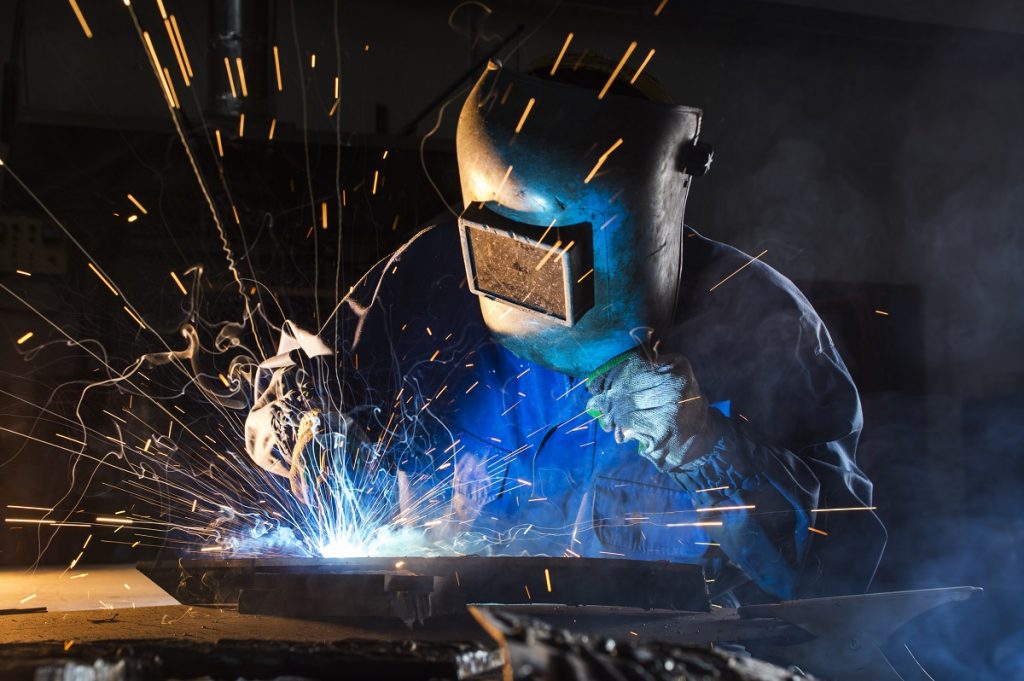
- Automated cutting and welding systems for consistent, precise results
- Real-time monitoring of production metrics to quickly identify and address inefficiencies
- Data analytics to track scrap rates and uncover trends
Integrating these technologies can help shops stay competitive while reducing their environmental footprint. For more on future trends, see our article on the future of sustainable metal manufacturing.
Employee Training and Engagement
Staff involvement is critical to any waste reduction effort. Regular training ensures that everyone understands best practices for minimizing scrap and handling materials safely. Consider:
- Holding workshops on efficient machine operation and maintenance
- Encouraging employees to suggest process improvements
- Recognizing and rewarding teams that achieve waste reduction goals
When employees are engaged and knowledgeable, they’re more likely to spot inefficiencies and take proactive steps to reduce waste.
Recycling and Reuse Strategies
Not all scrap is avoidable, but much of it can be recycled or repurposed. Establishing a robust recycling program allows shops to recover value from offcuts, shavings, and used consumables. Some practical steps include:
- Sorting scrap by metal type for higher recycling value
- Partnering with local recyclers for regular pickups
- Reusing offcuts for prototyping or small parts
For more information on responsible waste management, check out this comprehensive guide to metal waste management from Universal Metals.
Shops looking to further enhance their environmental stewardship can review our environmental responsibility in steel companies guide for actionable insights.
Continuous Improvement and Tracking Progress
Effective waste reduction is an ongoing process. Regularly tracking key performance indicators (KPIs) such as scrap rate, yield percentage, and recycling volume helps identify trends and measure progress. Set achievable targets and review them with your team to maintain momentum.
Benchmarking your shop’s performance against industry standards or similar facilities can also reveal new opportunities for improvement. For actionable advice, see our resource on best practices for metal waste reduction in factories.
FAQ: Metal Fabrication Waste Reduction
What Are the Most Common Sources of Waste in Metal Fabrication?
The main contributors to waste in metalworking shops include offcuts from inefficient cutting patterns, errors in measurement or machining, damaged materials due to poor handling, and excess inventory that becomes obsolete. Addressing these areas with better planning and training can significantly reduce scrap.
How Can Technology Help Minimize Scrap?
Modern software and automation tools improve accuracy in cutting, welding, and assembly. Real-time monitoring systems can quickly detect issues that lead to waste, while data analytics help identify recurring problems so they can be addressed proactively.
Is Recycling Scrap Metal Profitable for Small Shops?
Yes, even small operations can benefit from recycling programs. By sorting and selling scrap to recyclers, shops can recover some material costs and reduce disposal fees. Additionally, demonstrating a commitment to recycling can enhance a shop’s reputation with environmentally conscious clients.
Conclusion
Implementing these metal fabrication waste reduction tips can help modern shops operate more efficiently, reduce costs, and meet environmental goals. By optimizing processes, investing in technology, engaging employees, and prioritizing recycling, fabrication businesses can turn waste reduction into a competitive advantage. Stay committed to continuous improvement, and your shop will see lasting benefits for both the bottom line and the planet.