
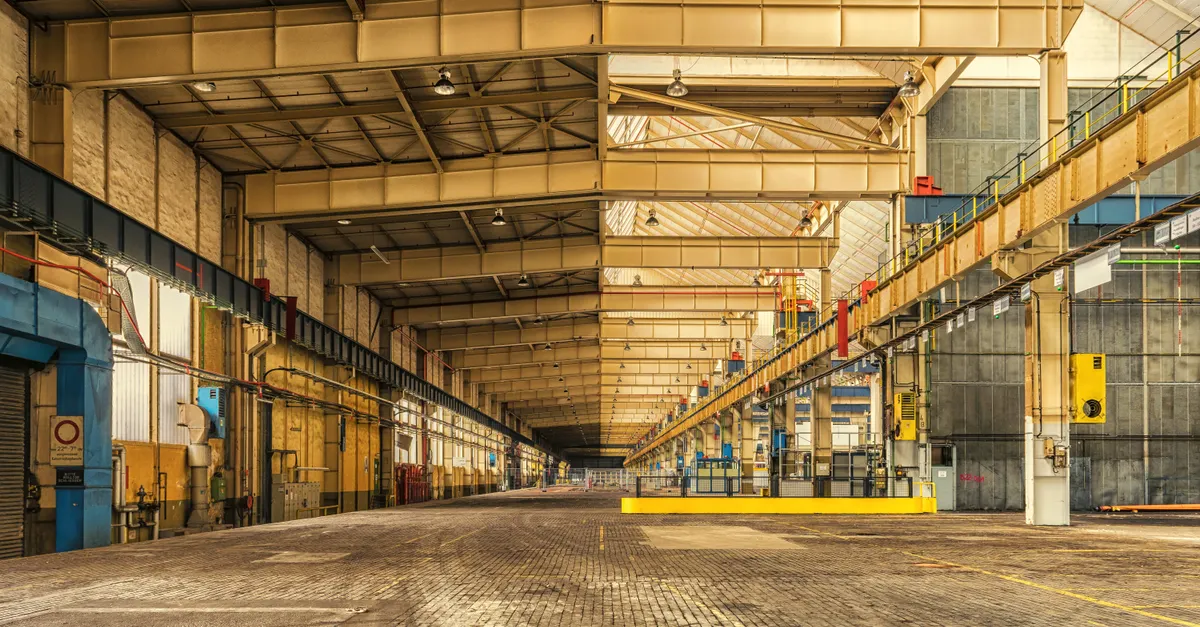
Community centers play a vital role in bringing people together, offering spaces for recreation, education, and social services. As communities grow and their needs evolve, the demand for facilities that are both functional and adaptable increases. Metal building systems for community centers have become a popular solution, thanks to their unique combination of affordability, durability, and design flexibility. In this article, we explore what makes these structures so well-suited for community spaces, how they compare to traditional construction, and what decision-makers should consider when planning a new facility.
Understanding Metal Building Systems in Community Spaces
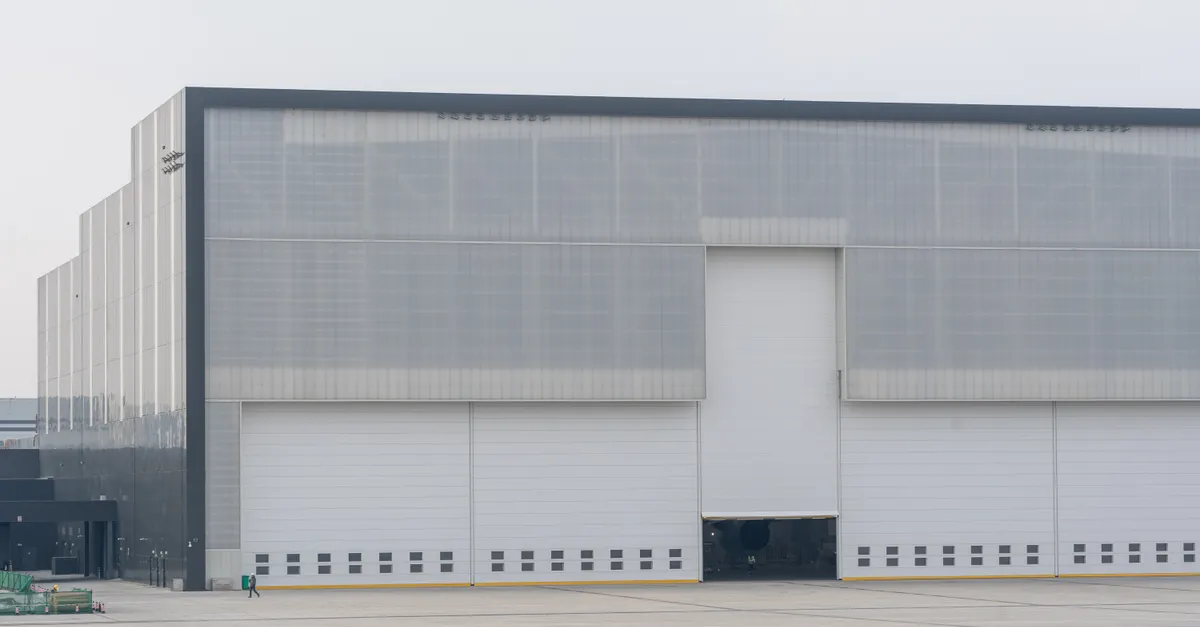
At their core, metal building systems are structures engineered primarily from steel components, often referred to as pre-engineered metal buildings (PEMBs). These systems are designed and fabricated off-site, then assembled quickly at the construction location. For community centers, this approach offers a streamlined process that minimizes disruptions and accelerates project timelines.
Unlike conventional construction, which often relies on wood or masonry, metal buildings use steel frames and panels for both structural support and exterior finishes. This method is especially relevant for community centers, which require large, open spaces for activities ranging from sports to public meetings. The inherent strength of steel allows for wide, column-free interiors, maximizing usable space and enhancing flexibility for future modifications.
Key Advantages of Metal Building Systems for Community Centers
Choosing metal building systems for community centers brings a range of benefits that address the most common challenges faced by municipalities and organizations:
Cost-Effectiveness and Budget Control
One of the most compelling reasons to consider metal buildings is their cost-effectiveness. According to industry sources, pre-engineered metal buildings offer significant savings compared to traditional construction, both in initial outlay and ongoing expenses. The streamlined manufacturing process reduces labor costs, and the speed of assembly means less time spent on-site, which translates to lower project management and financing costs.
Additionally, the predictable nature of metal building components helps minimize unexpected expenses. With most elements fabricated to exact specifications, there is less waste and fewer delays due to weather or material shortages.
Durability and Low Maintenance
Durability is a hallmark of steel construction. Metal buildings are resistant to pests, rot, and mold—common issues in wood-framed structures. They also stand up well to severe weather, including high winds and heavy snow, making them a reliable choice for community centers in diverse climates.
Maintenance requirements are minimal. Steel does not warp or crack, and modern coatings protect against rust and corrosion. This means fewer repairs over the building’s lifespan, allowing communities to allocate resources elsewhere.
Design Flexibility and Customization
Modern metal building systems offer remarkable design flexibility. Architects and planners can choose from a wide array of exterior finishes, rooflines, and interior layouts to create a welcoming and functional space. Whether the goal is to house a gymnasium, classrooms, meeting halls, or multipurpose rooms, metal buildings can be configured to meet specific needs.
Large, open interiors are made possible by the strength of steel framing, eliminating the need for interior columns that can limit how space is used. As community needs change, these buildings can be expanded or reconfigured with relative ease.
Sustainability and Energy Efficiency
Environmental responsibility is increasingly important for public projects. Metal buildings are inherently sustainable: steel is one of the most recycled materials in the world, and many manufacturers use recycled content in their products. According to industry sources, metal building systems provide notable energy efficiency benefits, especially when paired with modern insulation and energy-saving technologies.
Features such as cool roofs, high-performance windows, and advanced HVAC systems can be integrated into the design, helping to reduce utility costs and the building’s overall carbon footprint. For more on how these systems support green initiatives, see this resource on energy efficiency in metal buildings.
How Metal Building Systems Compare to Traditional Construction
When planning a community center, stakeholders often weigh the pros and cons of metal buildings versus traditional construction methods such as wood framing or masonry. Here’s how these approaches stack up:
Cost Comparison
- Metal building systems generally offer lower upfront costs due to efficient manufacturing and rapid assembly.
- Traditional construction can involve higher labor costs, longer build times, and greater susceptibility to material price fluctuations.
Durability and Longevity
- Steel structures are less vulnerable to fire, pests, and moisture damage than wood or masonry.
- Traditional buildings may require more frequent repairs and maintenance, especially in harsh climates.
Sustainability
- Metal buildings often incorporate recycled materials and are themselves recyclable at end of life.
- Traditional methods may use more non-renewable resources and generate more construction waste.
Design and Expansion
- Metal systems offer greater flexibility for open interiors and future expansion.
- Traditional construction can be more restrictive and costly to modify after initial completion.
Pros and Cons at a Glance
Pros of Metal Building Systems:
- Lower construction and maintenance costs
- Faster project completion
- High durability and resistance to common hazards
- Flexible layouts and easy expansion
- Strong sustainability profile
Cons of Metal Building Systems:
- May require specialized contractors for assembly
- Some communities may prefer traditional aesthetics
- Initial design options can be limited by manufacturer offerings, though customization is improving
Real-World Applications and Success Stories
Many communities have already embraced metal building systems for their new or renovated centers. While specific case studies vary, common themes emerge:
- Multipurpose spaces that host sports, events, and educational programs under one roof
- Facilities that have expanded over time to accommodate growing populations or new services
- Community centers that have achieved significant energy savings through efficient design and materials
For example, some rural towns have used metal buildings to quickly establish recreation centers that double as emergency shelters. Urban communities have leveraged the flexibility of steel structures to create vibrant cultural hubs with minimal disruption to surrounding neighborhoods. These real-world applications demonstrate the practical advantages of choosing metal building systems for a wide range of community needs.
Those interested in other sectors where metal buildings excel may also want to explore their use in agriculture, where similar benefits are realized in a different context.
Conclusion: The Case for Metal Building Systems in Community Centers
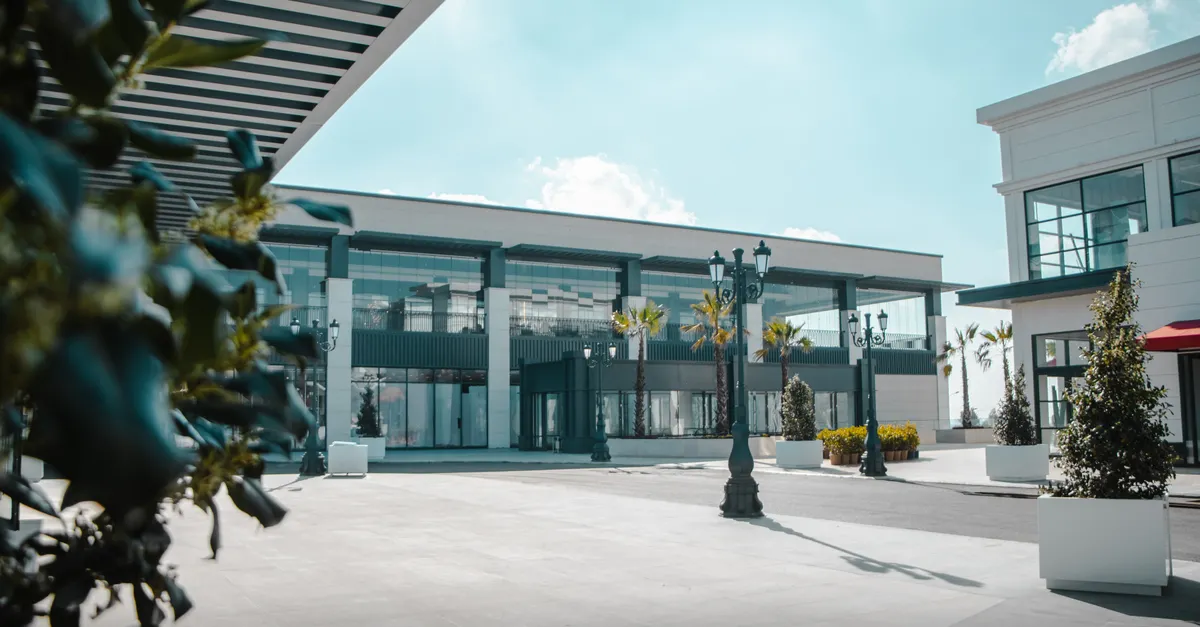
In summary, metal building systems provide a compelling solution for community centers seeking to balance cost, durability, and adaptability. Their efficient construction process, robust materials, and sustainable features make them a smart choice for organizations looking to serve their communities well into the future. With the ability to customize layouts and finishes, these buildings can reflect the unique character and needs of any community, ensuring that the facility remains a valuable asset for years to come.
Frequently Asked Questions
What are the main benefits of using metal building systems for community centers?
The primary advantages include lower construction and maintenance costs, rapid project completion, high durability, and the ability to easily adapt or expand the facility as community needs change. These systems also offer strong sustainability and energy efficiency features.
How do metal building systems compare to traditional construction methods?
Compared to traditional methods, metal building systems are generally more cost-effective, faster to build, and require less maintenance. They offer greater design flexibility and are more environmentally friendly due to the use of recycled materials and efficient construction processes.
Are metal building systems customizable for different community needs?
Yes, modern metal building systems can be tailored to accommodate a wide range of uses, from gymnasiums and classrooms to meeting spaces and cultural centers. The open-span design allows for flexible layouts, and a variety of exterior finishes can help the building blend into any neighborhood.