
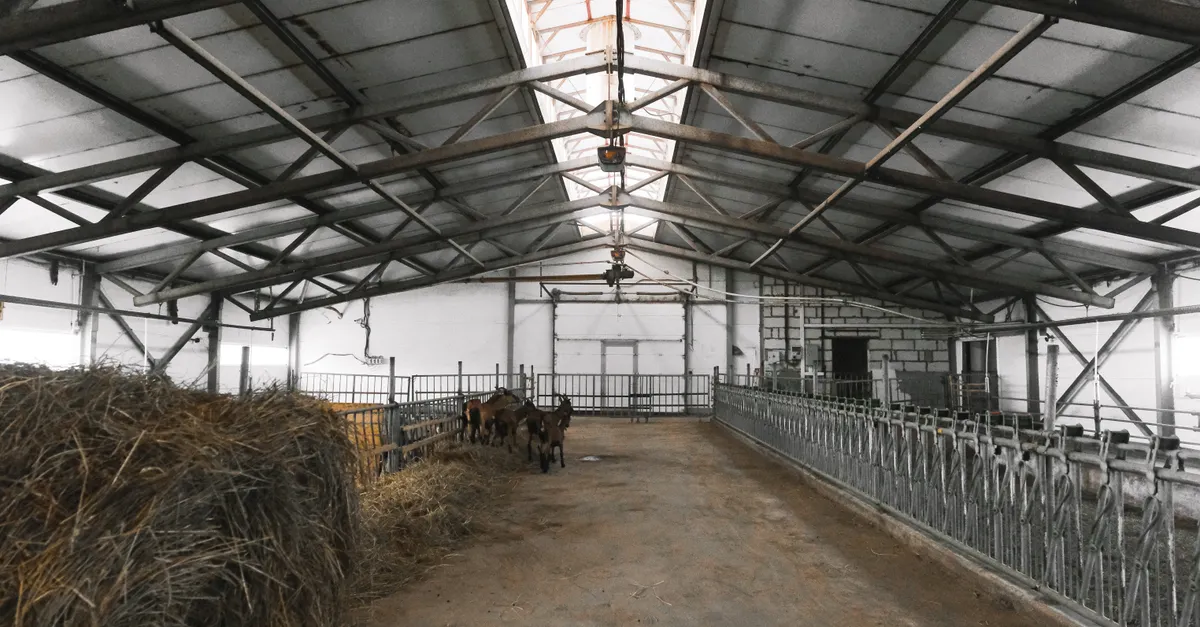
Modern agriculture demands structures that are not only robust and adaptable but also cost-effective and efficient to maintain. As farming operations expand and diversify, the choice of building materials and systems becomes increasingly important. Metal building systems for agriculture have gained significant traction in recent years, offering a compelling alternative to traditional wooden barns and sheds. This article explores why these systems are particularly well-suited for agricultural use, highlighting their advantages, how they compare to conventional options, and what farmers should consider when planning new facilities.
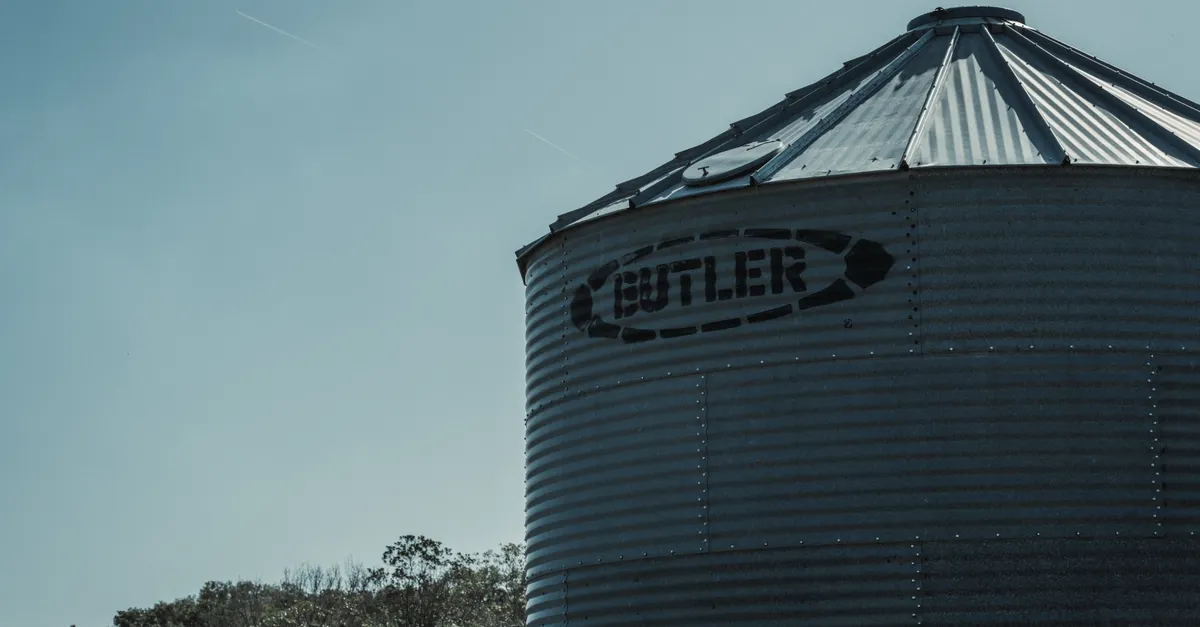
Understanding Metal Building Systems in Agricultural Settings
A metal building system refers to a pre-engineered structure made primarily from steel or other metals, designed for rapid assembly and long-term durability. In agriculture, these systems are used for a range of purposes, including storage of crops and equipment, livestock housing, machinery workshops, and even processing facilities. Their relevance to farming stems from their ability to meet the sector’s unique demands: large, unobstructed interior spaces, resistance to harsh environments, and adaptability to changing operational needs.
Key Benefits of Metal Building Systems for Agriculture
The advantages of using metal building systems for agriculture are well-documented and supported by industry evidence. According to leading manufacturers, steel agricultural buildings have become the preferred choice for modern farms due to their superior performance and value.
- Durability: Steel structures are engineered to withstand heavy loads, severe weather, and daily operational wear. Unlike wood, metal does not warp, crack, or rot over time, ensuring a longer service life.
- Pest Resistance: One of the most significant benefits is resistance to pests such as termites and carpenter ants, which can cause extensive damage to wooden buildings. This reduces maintenance costs and the need for chemical treatments.
- Economical Choice: Evidence from manufacturers highlights that steel buildings are more economical in the long run, offering lower maintenance and repair costs compared to traditional wooden structures.
- Fire Resistance: Metal does not combust, providing an added layer of safety for valuable crops, equipment, and livestock.
- Flexible Design: The modular nature of metal systems allows for easy expansion or reconfiguration as farm operations grow or change.
These benefits combine to make metal structures a practical solution for a wide range of agricultural applications, from livestock shelters to grain storage bins.
Metal vs. Traditional Wooden Agricultural Buildings: A Detailed Comparison
While wooden barns and sheds have long been a staple of rural landscapes, the shift towards metal building systems is driven by clear, evidence-backed advantages. Here’s how the two options compare across critical factors:
Cost
- Metal: Initial construction costs can be comparable or sometimes lower than wood, especially for larger spans. Over time, the reduced need for repairs and lower insurance premiums make metal buildings more economical, as noted by industry sources.
- Wood: While wood may seem less expensive upfront, ongoing maintenance, pest control, and repair costs can add up significantly.
Durability and Maintenance
- Metal: Resistant to rot, mold, and insect damage. Requires minimal upkeep—typically just periodic inspections and cleaning.
- Wood: Vulnerable to moisture, pests, and decay. Needs regular painting, sealing, and structural repairs.
Environmental and Operational Resistance
- Metal: Performs well in extreme weather, including heavy snow, strong winds, and intense sunlight. Fire-resistant properties add a layer of safety.
- Wood: Susceptible to fire, water damage, and structural degradation under harsh conditions.
Pros and Cons at a Glance
Pros of Metal Building Systems:
- Longer lifespan and lower total cost of ownership
- Superior pest and fire resistance
- Adaptable to various agricultural uses
- Quick and efficient construction process
Cons of Metal Building Systems:
- May require insulation to prevent condensation
- Potential for corrosion if not properly maintained (though modern coatings mitigate this)
- Less traditional appearance, which may not suit every aesthetic preference
For a broader perspective on how these systems compare in other contexts, you might find insights in this discussion of steel vs aluminum building systems.
Customization and Cost-Effectiveness in Agricultural Applications
One of the standout features of metal building systems for agriculture is their high degree of customization. Modern fabrication techniques allow for buildings to be tailored to specific farm requirements, whether it’s a large equipment shed, a climate-controlled storage facility, or a multi-purpose barn.
- Size and Layout: Metal systems can be designed with wide, clear-span interiors, eliminating the need for interior support columns and maximizing usable space.
- Doors and Access: Custom door sizes and placements accommodate large machinery and vehicles, improving workflow efficiency.
- Ventilation and Lighting: Integrated options for natural light and airflow help maintain healthy environments for livestock and stored crops.
- Insulation and Climate Control: Insulation packages can be added for temperature-sensitive operations, supporting year-round use.
From a financial perspective, metal buildings offer significant savings over time. Lower maintenance needs, resistance to common agricultural hazards, and the ability to expand or modify structures as needs change all contribute to their cost-effectiveness. For those interested in a deeper dive into the financial side, the metal building systems cost analysis provides a comprehensive look at what to expect.
Durability and Environmental Resistance: Meeting Agricultural Challenges
Agricultural operations expose buildings to a range of environmental and operational stresses, from moisture and chemicals to heavy machinery and unpredictable weather. Metal building systems are engineered to address these challenges:
- Weather Resistance: Steel frames and panels stand up to wind, snow, and hail, reducing the risk of structural failure during storms.
- Corrosion Protection: Modern coatings and galvanized finishes help prevent rust, even in humid or corrosive environments.
- Load-Bearing Strength: Metal buildings can support heavy equipment, storage racks, and even suspended systems for irrigation or lighting.
These qualities ensure that metal structures remain reliable and safe, protecting valuable assets and supporting efficient farm operations year after year.
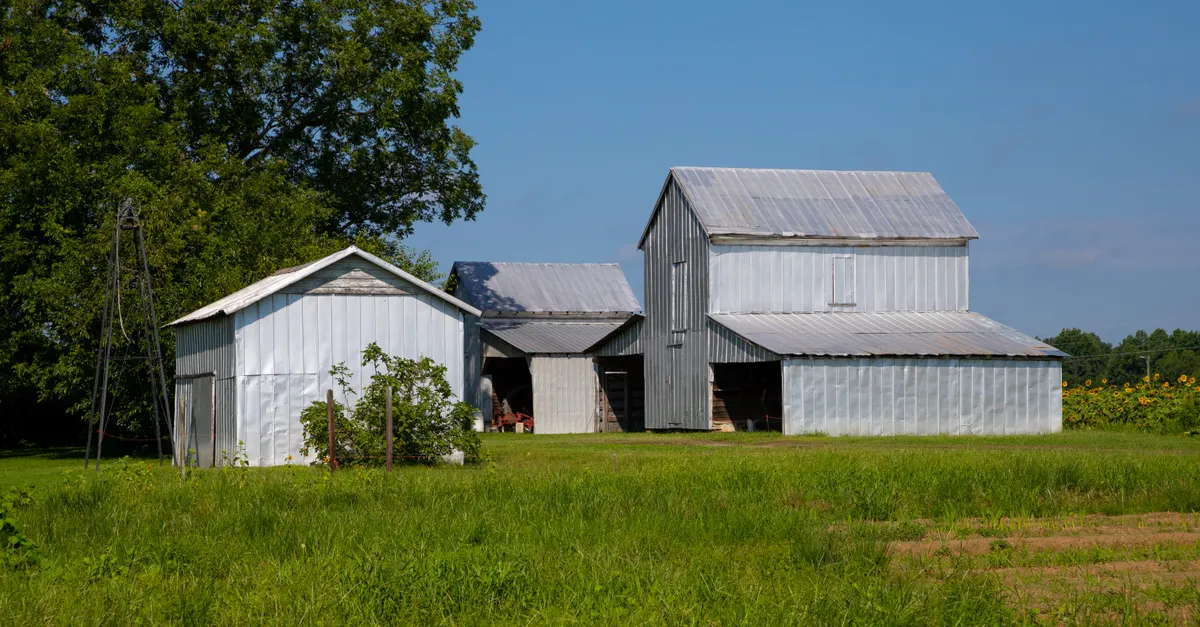
Conclusion: Looking Ahead for Agricultural Building Solutions
The shift towards metal building systems in agriculture is driven by clear, practical advantages—durability, adaptability, and long-term savings. As farms continue to evolve, these structures provide the flexibility and resilience needed to support modern agricultural practices. By choosing metal over traditional wood, farmers can invest in facilities that will serve them reliably for decades, adapting to new technologies and changing needs along the way. Whether planning a new barn, storage facility, or workshop, considering a metal system is a forward-thinking step for any agricultural operation.
Frequently Asked Questions
What are the main benefits of using metal building systems in agriculture?
The primary advantages include exceptional durability, resistance to pests and fire, lower maintenance costs, and the ability to customize layouts for various agricultural uses. These systems also offer rapid construction and long-term cost savings.
How do metal agricultural buildings compare to traditional wooden structures?
Metal buildings generally outperform wooden ones in terms of longevity, strength, and resistance to environmental hazards. While wood may offer a traditional look, it is more susceptible to rot, pests, and fire, and often requires more frequent repairs and upkeep.
Are metal building systems cost-effective for farms?
Yes, metal structures typically provide better value over time due to reduced maintenance, fewer repairs, and lower insurance premiums. The initial investment is often offset by these long-term savings, making them a smart choice for most agricultural operations.