
Metal building systems have become increasingly popular for commercial, industrial, and even residential projects, thanks to their durability, versatility, and cost-effectiveness. As energy costs rise and sustainability becomes a priority, optimizing metal building systems energy efficiency is more important than ever. Improving the energy performance of these structures not only reduces operational expenses but also helps meet evolving energy codes and environmental standards. In this article, we’ll explore the essential design features, material choices, compliance considerations, and advanced strategies—including renewable energy integration—that can make metal buildings truly energy efficient.
Design Features That Boost Energy Performance
The foundation of any energy-efficient metal building lies in its design. Several architectural and engineering choices can significantly improve thermal performance and reduce energy consumption:
- Building Orientation: Positioning the structure to maximize natural daylight and minimize unwanted solar heat gain can reduce lighting and cooling demands.
- Continuous Insulation: Utilizing continuous insulation systems helps prevent thermal bridging, where heat escapes through metal framing elements.
- Air Sealing: Careful sealing of joints, penetrations, and openings limits air leakage, improving both comfort and efficiency.
- High-Performance Windows and Doors: Selecting insulated glazing and well-sealed doors reduces unwanted heat transfer.
- Reflective Surfaces: Incorporating reflective wall and roof panels can help deflect solar radiation, reducing cooling loads.
For those seeking even greater performance, insulated metal building systems offer advanced solutions that combine structural integrity with superior thermal resistance.
The Impact of Metal Roofs on Energy Efficiency
One of the most effective ways to enhance energy efficiency in metal buildings is through the use of advanced roofing technologies. Cool metal roofs are engineered with highly reflective coatings that can dramatically lower the amount of heat absorbed by the building.
According to industry research, cool metal roofs can reduce energy consumption by lowering cooling loads, thanks to their reflective properties. In fact, metal roofs can result in up to a 30 percent reduction in heat gain through the roof. This not only decreases the need for air conditioning but also helps mitigate the Urban Heat Island Effect in densely built environments.
Pros:
- Reduces cooling costs significantly
- Extends roof lifespan due to lower thermal stress
- Supports easy integration with solar panels
Cons:
- Higher upfront cost compared to some conventional roofing materials
- Requires proper installation to maximize benefits
Meeting Energy Code Compliance
As energy standards evolve, energy code compliance has become a central consideration for metal building projects. Most regions require new construction to meet minimum energy performance standards, which often include requirements for insulation, air sealing, and efficient lighting and HVAC systems.
Key steps to ensure compliance include:
- Understanding Local Codes: Familiarize yourself with the International Energy Conservation Code (IECC) or other applicable standards in your area.
- Thermal Envelope Requirements: Ensure that walls, roofs, and floors meet or exceed minimum R-value requirements for insulation.
- Documentation: Maintain thorough records of materials, insulation values, and system specifications for code inspections.
- Commissioning: Some codes require third-party verification of building performance, including blower door tests for air leakage.
By addressing these requirements early in the design process, project teams can avoid costly retrofits and ensure that the finished building operates efficiently from day one.
Insulation Strategies for Metal Buildings
Effective insulation is critical for maximizing metal building systems energy efficiency. Metal structures are particularly susceptible to heat transfer, making insulation choices especially important.
Common insulation options include:
- Fiberglass Batts: Widely used for their affordability and ease of installation, though they must be carefully fitted to avoid gaps.
- Rigid Foam Boards: Offer high R-values per inch and are effective for continuous insulation applications.
- Spray Foam: Provides both insulation and air sealing, ideal for complex geometries and hard-to-reach areas.
- Insulated Metal Panels: Combine insulation and structural support in a single product, streamlining construction and improving performance.
Selecting the right insulation depends on climate, building use, and budget. For more in-depth guidance, consider exploring insulated metal building systems, which are specifically engineered for high energy performance.
Integrating Renewable Energy Technologies
A major opportunity for advancing energy efficiency in metal buildings is the integration of renewable energy systems. While competitors often mention photovoltaic (PV) installations, comprehensive guidance on how to incorporate these and other technologies is less common.
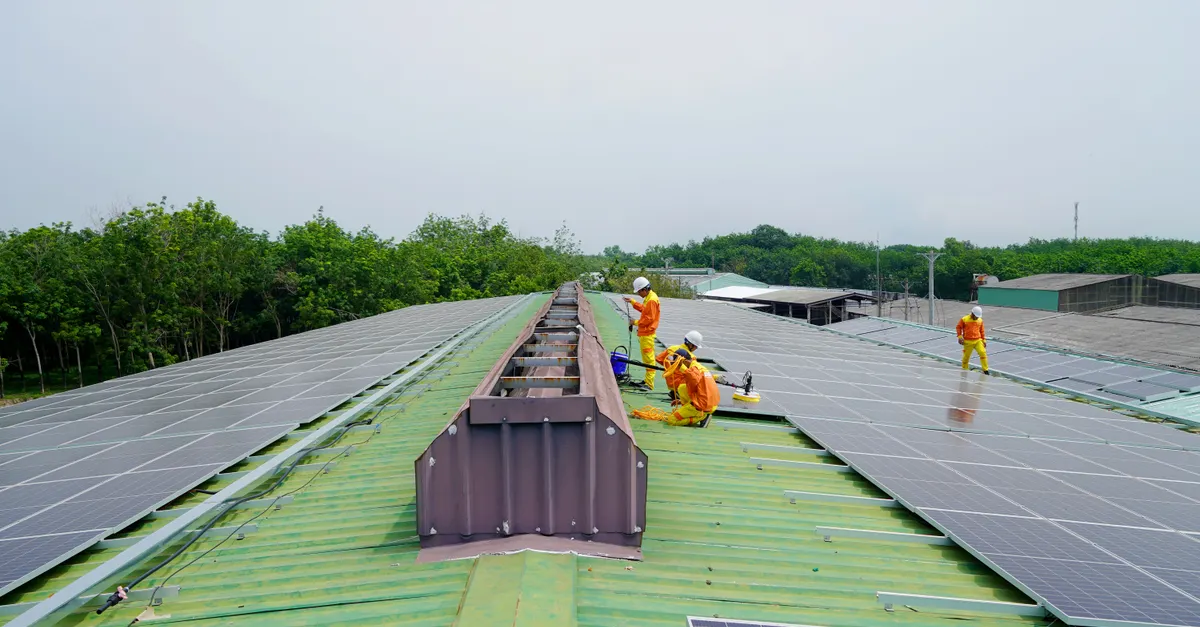
Photovoltaic Solar Panels: Metal roofs are ideal for mounting solar panels due to their durability and ease of installation. Standing seam metal roofs, in particular, allow for clamp-on solar mounting systems that avoid roof penetrations and preserve weatherproofing.
Solar Thermal Systems: These systems use roof-mounted collectors to heat water for domestic use or space heating. Metal roofs can support the weight and withstand the temperature fluctuations associated with solar thermal installations.
Wind Turbines: For buildings in suitable locations, small-scale wind turbines can be integrated with the structure. Metal buildings provide a stable platform for mounting and can be engineered to accommodate the additional loads.
Battery Storage: Pairing renewable energy generation with battery storage allows buildings to maximize self-consumption and maintain operations during grid outages.
To successfully integrate renewables:
- Assess Structural Capacity: Ensure the building can support the weight and wind loads of renewable systems.
- Plan Electrical Integration: Work with qualified electricians to design safe and code-compliant connections.
- Consider Future Expansion: Design roof and electrical systems with future renewable upgrades in mind.
By thoughtfully integrating renewable energy technologies, metal buildings can achieve net-zero or even net-positive energy performance, reducing both operational costs and environmental impact.
Environmental Benefits of Metal Building Systems
Beyond operational savings, energy-efficient metal buildings offer substantial environmental advantages:
- Reduced Greenhouse Gas Emissions: Lower energy use translates to fewer emissions from power generation.
- Recyclability: Metal components are often made from recycled content and can be recycled at end of life, minimizing landfill waste.
- Durability: Long-lasting structures reduce the need for frequent replacements, conserving resources over time.
- Mitigation of Urban Heat Island Effect: Cool metal roofs reflect sunlight, helping to lower ambient temperatures in urban areas.
These benefits make metal building systems a strong choice for organizations seeking to meet sustainability goals and reduce their environmental footprint.
Looking Ahead: The Future of Energy-Efficient Metal Buildings
As building codes become stricter and the demand for sustainable construction grows, the future of metal building systems energy efficiency looks promising. Advances in insulation technology, smart building controls, and renewable energy integration will continue to push performance boundaries. Owners and designers who prioritize energy efficiency today will be well-positioned to meet tomorrow’s standards and benefit from long-term savings and environmental stewardship.
Frequently Asked Questions
What are the most effective insulation options for metal buildings?
The most effective insulation choices include spray foam for its air-sealing properties, rigid foam boards for high R-values, and insulated metal panels that combine structure and insulation. The best option depends on your climate, building use, and budget.
How do cool metal roofs help reduce energy costs?
Cool metal roofs use reflective coatings to minimize heat absorption. This can lower cooling loads and result in up to a 30 percent reduction in heat gain through the roof, making them a cost-effective way to improve energy performance.
Can metal building systems support solar panels and other renewable technologies?
Yes, metal roofs are well-suited for solar panel installations and can also accommodate solar thermal systems and small wind turbines. It’s important to assess structural capacity and plan for proper electrical integration to ensure safe and efficient operation.