
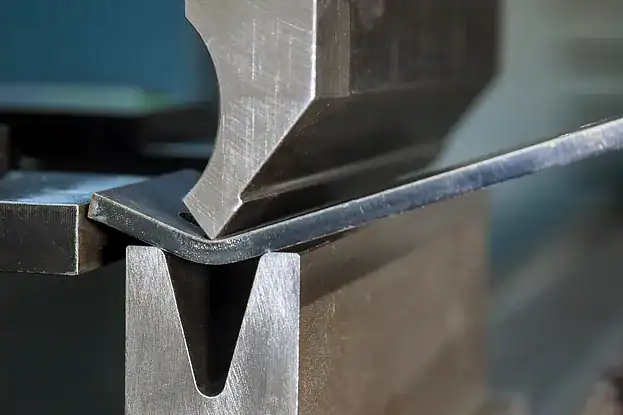
The demand for sustainable manufacturing is driving a renewed focus on material efficiency metal fabrication. By optimizing how raw materials are used, manufacturers can reduce waste, lower costs, and minimize their environmental impact. This approach is not only beneficial for the planet but also supports profitability and competitiveness in a rapidly evolving industry.
Improving efficiency in metalworking processes involves a combination of smart design, advanced machinery, and best practices on the shop floor. Whether working with sheet metal, structural steel, or specialty alloys, fabricators are discovering new ways to get more from every kilogram of material. In this article, we’ll explore proven strategies, highlight innovative technologies, and offer practical tips for boosting resource utilization in metal fabrication.
For those interested in sustainable finishing methods, you may also want to learn about eco friendly anodizing as part of a holistic approach to greener manufacturing.
Why Material Optimization Matters in Metalworking
Maximizing the use of raw materials is central to both environmental stewardship and cost control. In traditional fabrication, offcuts and scrap can account for a significant portion of total material purchased. By focusing on material efficiency metal fabrication methods, manufacturers can:
- Reduce landfill waste and disposal costs
- Lower the carbon footprint of operations
- Decrease raw material expenses
- Improve shop floor productivity
- Enhance reputation with eco-conscious customers
As global regulations tighten and customers demand greener products, efficient use of metals is becoming a key differentiator for fabrication businesses.
Design Strategies for Maximizing Material Use
The foundation of efficient fabrication starts at the design stage. Engineers and designers have a major influence on how much waste is generated during production. Here are some effective approaches:
- Nesting Optimization: Using specialized software, parts are arranged on sheet metal or plate to minimize offcuts. Modern nesting algorithms can significantly reduce scrap rates, especially in laser cutting and CNC punching operations.
- Standardization of Components: Designing parts with common dimensions allows for batch processing and better utilization of stock sizes.
- Material Selection: Choosing the right alloy or thickness can reduce the need for secondary operations and excess trimming.
- Design for Manufacturability (DFM): Simplifying part geometry and avoiding unnecessary complexity can lead to less waste and easier fabrication.

Advanced Cutting and Forming Techniques for Less Waste
Modern fabrication shops are leveraging advanced machinery and processes to further improve material efficiency. Some of the most impactful technologies include:
- Laser and Waterjet Cutting: These methods offer high precision and tight tolerances, enabling parts to be cut closer together and reducing kerf loss.
- Precision Shearing: Automated shears can make cleaner cuts with minimal burr, maximizing usable material.
- Roll Forming: This continuous bending process creates long parts with uniform cross-sections, minimizing offcuts compared to discrete bending.
- Progressive Die Stamping: By combining multiple operations in a single die, manufacturers can reduce handling and scrap.
Investing in these technologies can yield significant savings over time, especially for high-volume or repetitive jobs.
Shop Floor Practices That Boost Material Efficiency
Beyond design and machinery, daily practices on the shop floor play a crucial role in minimizing waste. Adopting material efficiency metal fabrication habits can include:
- Real-Time Tracking: Monitoring material usage and scrap in real time helps identify problem areas and opportunities for improvement.
- Employee Training: Skilled operators are less likely to make mistakes that result in wasted material.
- Scrap Segregation and Recycling: Sorting scrap by alloy and cleanliness makes recycling more efficient and can even generate revenue.
- Lean Manufacturing: Applying lean principles, such as 5S and continuous improvement, helps eliminate sources of waste throughout the production process.
For additional ideas on sustainable operations, consider reviewing sustainable shop floor practices that can complement your material efficiency initiatives.
Eco-Friendly Finishing and Coating Solutions
The finishing stage can also impact overall resource use. Traditional coatings and treatments sometimes involve hazardous chemicals or require significant water and energy. To further reduce environmental impact, manufacturers are turning to:
- Water based metal coatings that eliminate the need for solvents and reduce VOC emissions.
- Green metal finishing processes that use less energy and generate less hazardous waste.
Integrating these solutions with other efficiency measures can create a more sustainable and cost-effective fabrication workflow.
Industry Trends and the Future of Efficient Metal Fabrication
The push for greater efficiency is shaping the future of metalworking. Digitalization, automation, and data analytics are making it easier to track material flows and optimize every stage of production. Some emerging trends include:
- Closed-Loop Manufacturing: Systems that recycle scrap directly back into the process, reducing reliance on virgin material.
- AI-Driven Optimization: Artificial intelligence is being used to analyze production data and suggest process improvements in real time.
- Collaborative Supply Chains: Working closely with suppliers and customers to standardize materials and reduce waste across the value chain.
For a broader perspective on sustainability in the sector, explore eco-friendly practices in metal fabrication and sustainability trends to see how leading companies are making a difference.
Frequently Asked Questions
What are the main benefits of improving material efficiency in metal fabrication?
Enhancing efficiency leads to lower production costs, reduced environmental impact, and less waste sent to landfill. It also helps companies meet regulatory requirements and appeal to customers seeking sustainable products.
How can design changes reduce material waste?
By optimizing part layouts, standardizing dimensions, and selecting appropriate materials, designers can ensure that more of each sheet or bar is used in finished products, leaving less scrap behind.
Are there eco-friendly alternatives to traditional metal finishing?
Yes, options like water-based coatings and low-impact anodizing are increasingly popular. These methods reduce hazardous emissions and energy use, supporting broader sustainability goals.