
As industries worldwide strive to reduce their environmental impact, low carbon metal fabrication has emerged as a crucial approach for manufacturers aiming to operate more sustainably. This method focuses on minimizing greenhouse gas emissions throughout the metalworking process, from material selection to final product delivery. By adopting eco-friendly practices, companies can not only meet regulatory requirements but also respond to growing consumer demand for greener products.
The shift toward sustainable metalworking is driven by several factors: stricter environmental regulations, the need for energy efficiency, and a desire to reduce operational costs. Businesses that implement low-emission fabrication techniques often benefit from improved brand reputation and long-term savings. For those involved in steel stamping or metal forming, understanding how to optimize processes for reduced carbon output is essential.
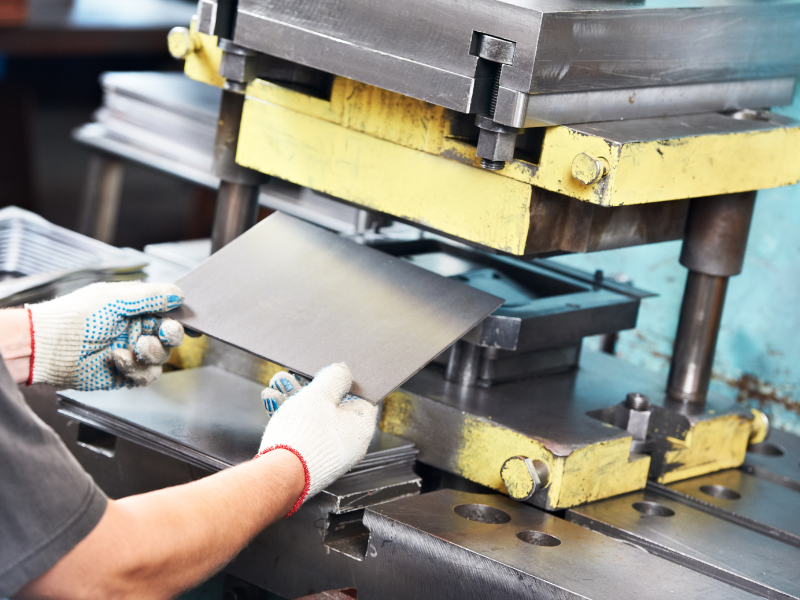
For manufacturers seeking to further improve efficiency, exploring how to optimize scrap chute angles can complement low-emission strategies by reducing material waste and energy consumption early in the production cycle.
What Defines Low Carbon Metal Fabrication?
The term refers to a set of practices and technologies designed to lower the carbon footprint associated with metalworking. This includes using recycled materials, optimizing energy use, and implementing advanced manufacturing processes that emit fewer greenhouse gases. The goal is to create high-quality metal components while minimizing environmental harm.
Key elements of this approach include:
- Material selection: Prioritizing recycled or low-emission metals.
- Energy efficiency: Utilizing renewable energy sources and efficient machinery.
- Process optimization: Streamlining operations to reduce waste and emissions.
- Waste management: Recycling scrap and minimizing landfill contributions.
Benefits of Sustainable Metalworking Practices
Adopting low carbon metal fabrication methods offers a range of advantages for manufacturers, the environment, and end-users. Some of the most significant benefits include:
- Reduced carbon emissions: Lowering greenhouse gases helps combat climate change and aligns with global sustainability goals.
- Cost savings: Efficient energy use and waste reduction can decrease operational expenses over time.
- Regulatory compliance: Meeting or exceeding environmental standards reduces the risk of fines and enhances eligibility for green certifications.
- Market differentiation: Companies that prioritize sustainability can attract eco-conscious customers and partners.
- Improved resource utilization: Using recycled materials and optimizing processes conserves natural resources.
For those involved in steel stamping, considering steel stamping material yield strength considerations is another way to ensure efficient use of materials and energy, further supporting eco-responsible manufacturing.
Key Strategies for Reducing Carbon Emissions in Metal Fabrication
There are several actionable steps manufacturers can take to lower their carbon output during metalworking. These strategies can be tailored to fit the specific needs of different facilities and product lines.
1. Material Sourcing and Recycling
Selecting metals with a lower embodied carbon—such as recycled steel or aluminum—significantly reduces the environmental impact of finished products. Many suppliers now offer certified low-carbon materials, making it easier for manufacturers to make responsible choices.
Implementing robust recycling programs for scrap metal and byproducts also ensures that valuable resources are reused rather than sent to landfill, further decreasing the overall carbon footprint.
2. Energy-Efficient Processes and Equipment
Upgrading to modern, energy-efficient machinery can yield substantial reductions in energy consumption. Technologies such as laser cutting, electric arc furnaces, and automated forming systems are designed to use less power while maintaining high precision.
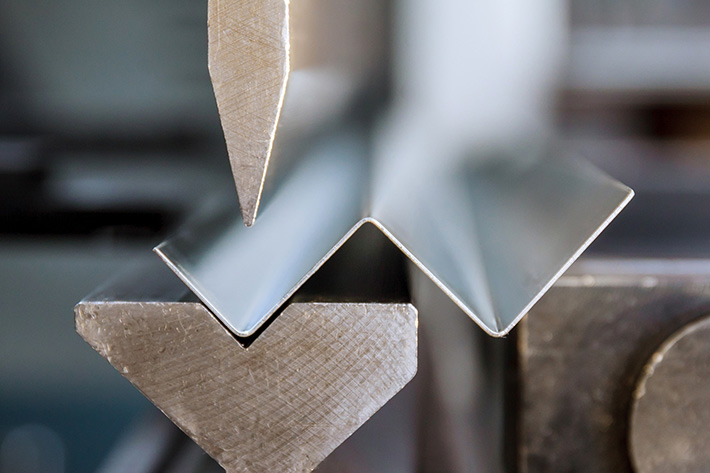
Switching to renewable energy sources—such as solar or wind—can further cut emissions. Some facilities even generate their own power onsite, reducing reliance on fossil fuels.
3. Process Optimization and Digitalization
Digital tools and automation play a vital role in minimizing waste and maximizing efficiency. Computer-aided design (CAD) and manufacturing (CAM) systems allow for precise planning and simulation, reducing trial-and-error and unnecessary material use.
Lean manufacturing principles, such as just-in-time production and continuous improvement, also help streamline workflows and reduce excess energy consumption.
4. Surface Treatments and Coatings
Traditional surface treatments can be energy-intensive and may involve hazardous chemicals. By adopting eco-friendly alternatives—such as water-based coatings or plasma treatments—manufacturers can reduce both emissions and health risks for workers.
For those working with coated steels, following best practices for stamping coated steels helps prevent material waste and ensures high-quality results without unnecessary rework.
Challenges and Considerations in Implementing Low Emission Metalworking
While the advantages are clear, transitioning to more sustainable metal fabrication is not without its challenges. Initial investments in new equipment or process redesigns can be significant, and there may be a learning curve for staff adapting to new methods.
Supply chain transparency is another important factor. Manufacturers must work closely with suppliers to verify the carbon footprint of raw materials and ensure that sustainability claims are accurate.
Despite these hurdles, the long-term benefits—both environmental and financial—make the transition worthwhile. As more companies adopt these practices, the industry as a whole moves closer to a sustainable future.
Industry Trends and Innovations in Eco-Friendly Metal Fabrication
The metalworking sector is seeing rapid innovation aimed at reducing environmental impact. Some of the most promising trends include:
- Green hydrogen: Using hydrogen produced from renewable sources to power furnaces and reduce iron ore, eliminating fossil fuel emissions.
- Closed-loop manufacturing: Systems that recycle all waste and byproducts back into the production process.
- Smart monitoring: IoT sensors and analytics platforms that track energy use and emissions in real time, enabling continuous improvement.
- Collaborative supply chains: Partnerships between manufacturers, suppliers, and customers to share best practices and drive industry-wide change.
For a broader perspective on current sustainability trends and practical steps being taken across the industry, see this overview of eco-friendly practices in metal fabrication.
Integrating Low Carbon Practices Into Your Metalworking Operations
Adopting a more sustainable approach starts with a thorough assessment of current processes. Manufacturers should evaluate energy usage, material sourcing, and waste management to identify areas for improvement. Setting clear sustainability goals and tracking progress over time is essential for long-term success.
Employee training is another key component. Ensuring that staff understand the importance of eco-responsible practices and are equipped to implement new technologies will help drive lasting change.
Finally, staying informed about advances in materials science, equipment, and digital tools will enable companies to continuously refine their operations and remain competitive in a rapidly evolving market.
Frequently Asked Questions
What are the main environmental benefits of low carbon metal fabrication?
The primary advantages include a significant reduction in greenhouse gas emissions, conservation of natural resources through recycling, and decreased energy consumption. These benefits contribute to a healthier environment and help companies meet sustainability targets.
How can manufacturers verify the carbon footprint of their materials?
Manufacturers should request documentation from suppliers, such as Environmental Product Declarations (EPDs) or certifications from recognized bodies. Collaborating with trusted partners and conducting regular audits can further ensure transparency and accuracy.
Is it expensive to switch to eco-friendly metalworking methods?
While there may be upfront costs for new equipment or process changes, many companies find that long-term savings from reduced energy use and waste outweigh the initial investment. Additionally, improved compliance and market opportunities can provide further financial benefits.
Can low carbon fabrication methods be applied to all types of metals?
Most metals, including steel, aluminum, and copper, can benefit from sustainable practices. The specific techniques and materials used may vary, but the core principles of reducing emissions and optimizing resource use apply across the industry.
As the demand for sustainable products grows, embracing low carbon metal fabrication is not only a responsible choice but also a strategic one. By integrating these practices, manufacturers can position themselves at the forefront of an eco-responsible future.