
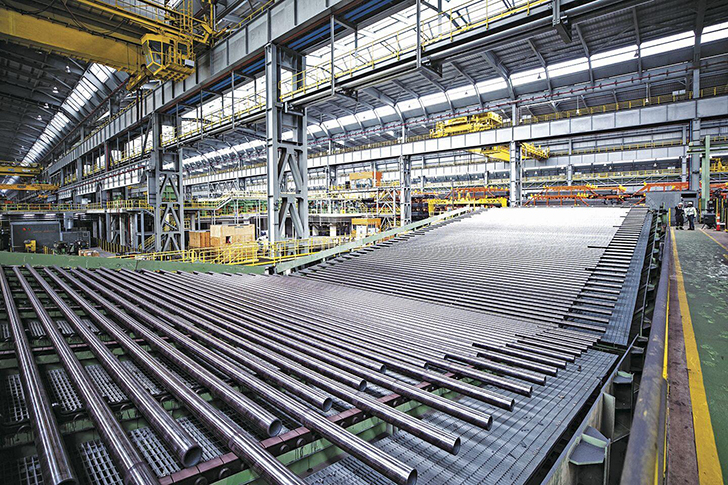
As industries strive to reduce their environmental impact, the focus on lightweight metal design sustainability has grown significantly. Engineers and manufacturers are rethinking how metals are sourced, processed, and integrated into products to minimize waste, lower emissions, and extend product lifecycles. This article explores practical approaches and proven methods for achieving more sustainable outcomes in lightweight metal applications, from material selection to fabrication and end-of-life considerations.
For those interested in optimizing related processes, understanding how to optimize scrap chute angles can further enhance efficiency and sustainability in metalworking environments.
Principles of Sustainable Lightweight Metal Engineering
The foundation of any sustainable approach to lightweight metal design lies in understanding the full lifecycle of materials. This includes responsible sourcing, efficient manufacturing, and planning for reuse or recycling. By emphasizing these principles, organizations can reduce their carbon footprint and conserve resources without sacrificing performance or safety.
- Material Efficiency: Using less material through advanced design and simulation reduces both costs and environmental impact.
- Recyclability: Selecting metals that are easily recycled, such as aluminum and certain steel alloys, supports a circular economy.
- Energy Reduction: Employing energy-efficient processes and renewable energy sources during fabrication further enhances sustainability.
Material Selection for Eco-Friendly Metal Structures
Choosing the right materials is a critical step in sustainable product development. Lightweight metals like aluminum, magnesium, and high-strength steels offer a balance of strength and reduced mass, which can lead to lower transportation emissions and improved fuel efficiency in automotive and aerospace applications.
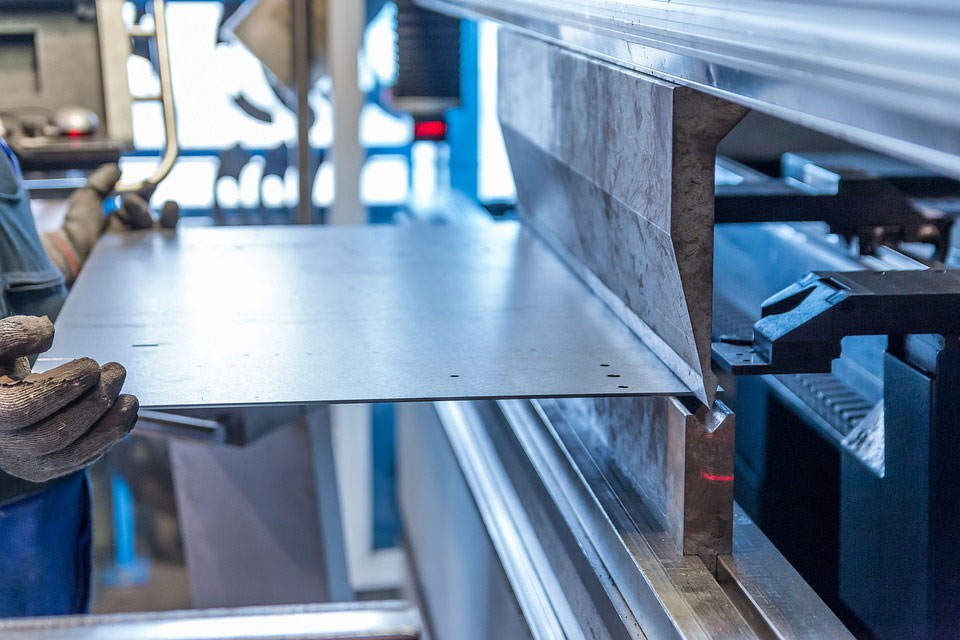
When evaluating materials, consider:
- Recycled Content: Metals with high recycled content reduce the need for virgin mining and lower overall emissions.
- Durability: Longer-lasting materials reduce the frequency of replacement and maintenance, conserving resources over time.
- Compatibility: Selecting metals that are compatible with existing recycling streams ensures easier recovery at end-of-life.
For more on how material properties affect performance, see our guide on steel stamping material yield strength considerations.
Design Optimization for Resource Conservation
Optimizing the design phase is essential for maximizing the benefits of lightweight metals. By leveraging modern simulation tools and design for manufacturability principles, engineers can minimize waste and improve part performance.
- Topology Optimization: Advanced software can identify where material can be removed without compromising strength, resulting in lighter, more efficient parts.
- Modular Design: Creating components that are easy to disassemble and repair extends product life and simplifies recycling.
- Precision Manufacturing: Techniques like laser cutting and additive manufacturing reduce scrap and enable intricate geometries that traditional methods cannot achieve.
Manufacturing Techniques Supporting Lightweight Metal Sustainability
The way metals are processed has a significant impact on their environmental footprint. Sustainable manufacturing practices focus on reducing waste, conserving energy, and minimizing emissions throughout the production cycle.
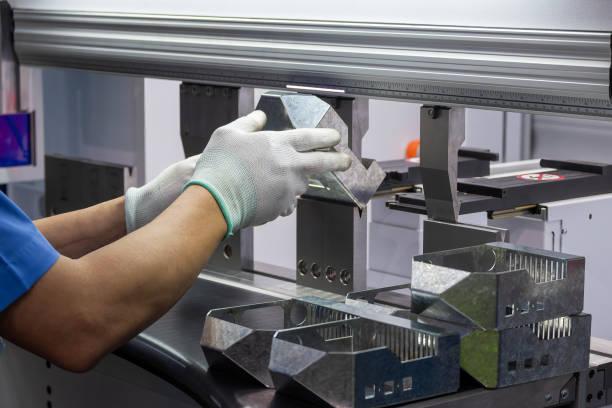
Key strategies include:
- Closed-Loop Recycling: Reusing scrap generated during fabrication reduces the need for new raw materials and cuts down on landfill waste.
- Efficient Stamping and Forming: Implementing best practices for stamping coated steels can reduce defects and material loss.
- Energy Management: Monitoring and optimizing energy use in foundries and fabrication shops lowers greenhouse gas emissions.
For a comprehensive look at sustainable fabrication methods, review this comprehensive guide to sustainable metal fabrication solutions.
End-of-Life and Circular Economy Approaches
Planning for what happens to a product at the end of its useful life is a cornerstone of sustainable design. By making disassembly and recycling easier, manufacturers can close the loop and keep valuable materials in use.
- Design for Disassembly: Fasteners and joints that allow for easy separation of components support efficient recycling.
- Material Identification: Clearly marking alloys and coatings ensures they are properly sorted and processed at recycling facilities.
- Take-Back Programs: Offering incentives for customers to return used products encourages responsible disposal and material recovery.
These strategies not only conserve resources but also reduce the environmental impact associated with mining and processing new metals.
Challenges and Opportunities in Lightweight Metal Sustainability
While the benefits of sustainable lightweight metal design are clear, there are challenges to overcome. Supply chain complexities, evolving regulations, and the need for industry-wide standards can slow progress. However, advances in digital manufacturing, improved recycling technologies, and growing consumer demand for eco-friendly products are driving positive change.
Collaboration across the value chain—from material suppliers to end users—is essential for achieving meaningful results. Sharing best practices, investing in research, and adopting transparent reporting can help organizations stay ahead of regulatory requirements and market expectations.
Frequently Asked Questions
What are the main benefits of using lightweight metals in sustainable design?
Lightweight metals reduce the overall mass of products, leading to lower transportation emissions and improved energy efficiency. They also often have high recyclability, supporting a circular economy and reducing the need for virgin material extraction.
How can manufacturers ensure their metal designs are truly sustainable?
Manufacturers should focus on material selection, design optimization, efficient manufacturing, and planning for end-of-life recycling. Using recycled metals, minimizing waste, and designing for disassembly are all effective strategies for improving sustainability.
Are there industry standards for sustainable lightweight metal design?
While there are general sustainability standards, such as ISO 14001 for environmental management, specific guidelines for lightweight metal sustainability are still evolving. Many organizations follow best practices and collaborate with industry groups to develop and adopt standards tailored to their sector.
As the demand for sustainable solutions continues to grow, embracing these strategies in lightweight metal design will be essential for staying competitive and reducing environmental impact.