
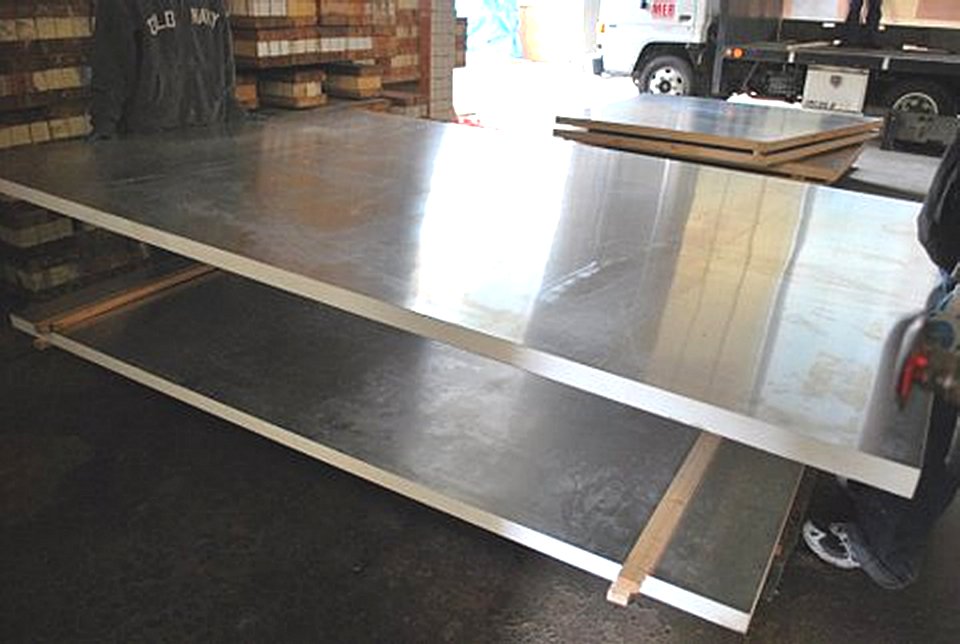
Understanding life cycle costing metal fabrication is essential for manufacturers, engineers, and procurement teams aiming to make informed, cost-effective decisions. Rather than focusing solely on initial purchase prices, this approach evaluates the total cost of ownership, including acquisition, operation, maintenance, and end-of-life expenses. By adopting a holistic view, organizations can achieve better value, improved sustainability, and long-term profitability in their metal fabrication projects.
This article explores the fundamentals of life cycle costing in metalworking, highlights its advantages, and provides actionable steps for integrating this methodology into your decision-making process. Whether you are sourcing materials, planning production, or optimizing fabrication processes, understanding the full financial impact over a product’s lifespan is crucial.
For those looking to optimize their fabrication processes further, consider reviewing how to optimize scrap chute angles to reduce waste and improve efficiency.
What Is Life Cycle Costing in Metal Fabrication?
Life cycle costing (LCC) is a financial analysis method that assesses the total cost of a product or system throughout its entire life span. In the context of metal fabrication, this means evaluating not just the upfront costs of materials and manufacturing, but also factoring in expenses related to installation, operation, maintenance, and eventual disposal or recycling.
By considering all phases—from raw material selection to end-of-life management—LCC enables companies to compare alternatives more accurately and select options that offer the best long-term value.
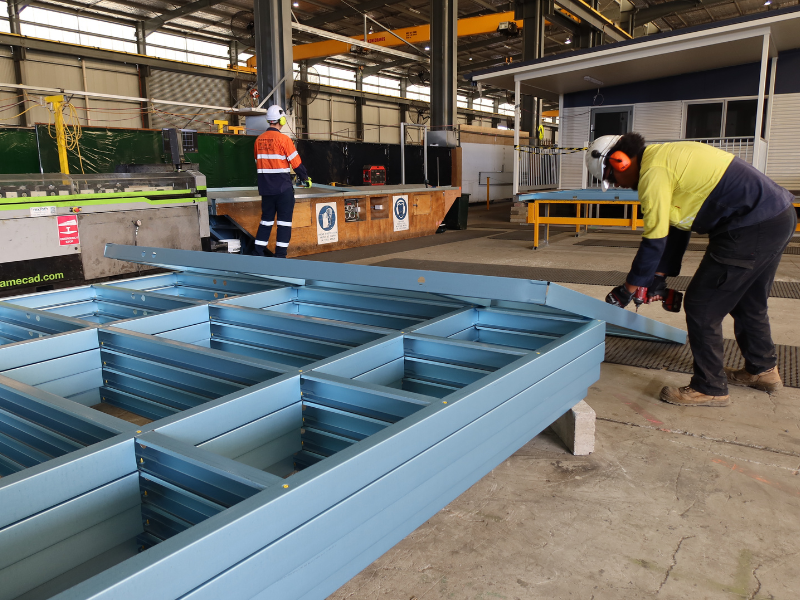
Key Components of Life Cycle Cost Analysis
A thorough life cycle cost analysis in metal fabrication involves several core elements:
- Acquisition Costs: The initial expenses for purchasing raw materials, components, and equipment.
- Fabrication and Installation: Costs related to processing, assembly, transportation, and setup.
- Operation and Maintenance: Ongoing expenses for energy, labor, repairs, and routine upkeep.
- Downtime and Reliability: Potential losses due to equipment failure, production stoppages, or quality issues.
- End-of-Life: Costs or credits associated with dismantling, recycling, or disposing of materials and products.
Each of these factors can significantly impact the total cost over the lifespan of a fabricated metal product. Neglecting any phase may result in underestimating the true financial commitment and lead to suboptimal choices.
Benefits of Applying Life Cycle Costing to Metal Fabrication
Embracing a life cycle perspective in metalworking offers several advantages:
- Informed Decision Making: By understanding the full cost implications, organizations can select materials and processes that minimize total expenses, not just initial outlays.
- Improved Sustainability: Considering long-term impacts encourages the use of recyclable materials and energy-efficient processes, supporting environmental goals.
- Risk Reduction: Factoring in maintenance and reliability helps anticipate potential issues and avoid costly surprises.
- Competitive Advantage: Companies that optimize for total cost of ownership often deliver higher value to customers and stand out in the marketplace.
For example, selecting a slightly more expensive alloy that resists corrosion may reduce maintenance and replacement costs over time, resulting in overall savings.
Integrating Life Cycle Costing into Metal Fabrication Projects
To successfully apply life cycle costing in your metal fabrication projects, follow these practical steps:
- Define the Scope: Clearly outline the project boundaries, expected lifespan, and performance requirements.
- Gather Data: Collect accurate information on material costs, energy consumption, labor rates, maintenance schedules, and disposal options.
- Estimate Costs for Each Phase: Use historical data, supplier quotes, and engineering estimates to project expenses across acquisition, operation, and end-of-life stages.
- Compare Alternatives: Evaluate different materials, fabrication methods, and suppliers using the total cost over the product’s life span.
- Factor in Uncertainties: Consider potential risks, such as price fluctuations or regulatory changes, and include sensitivity analyses where possible.
- Make Data-Driven Decisions: Select the option that delivers the best balance of performance, reliability, and total cost.
This approach ensures that decisions are based on comprehensive financial insight rather than short-term savings alone.
Common Challenges in Life Cycle Costing for Metalworking
While the benefits are clear, implementing life cycle cost analysis in metal fabrication can present challenges:
- Data Availability: Accurate, detailed cost data for all phases can be difficult to obtain, especially for new products or processes.
- Complexity: The number of variables involved—such as material properties, process efficiencies, and maintenance intervals—can make analysis complex.
- Changing Technology: Advances in fabrication techniques or materials may alter cost structures over time, requiring regular updates to LCC models.
- Organizational Buy-In: Shifting from a focus on upfront costs to total cost of ownership may require cultural change and stakeholder education.
Despite these obstacles, the long-term value of a comprehensive cost perspective often outweighs the initial investment in analysis.
Case Study: Material Selection and Long-Term Value
Consider a scenario where a manufacturer must choose between two sheet metals for a structural component. Material A is less expensive upfront but requires frequent maintenance due to corrosion. Material B has a higher purchase price but offers superior durability and lower maintenance needs.
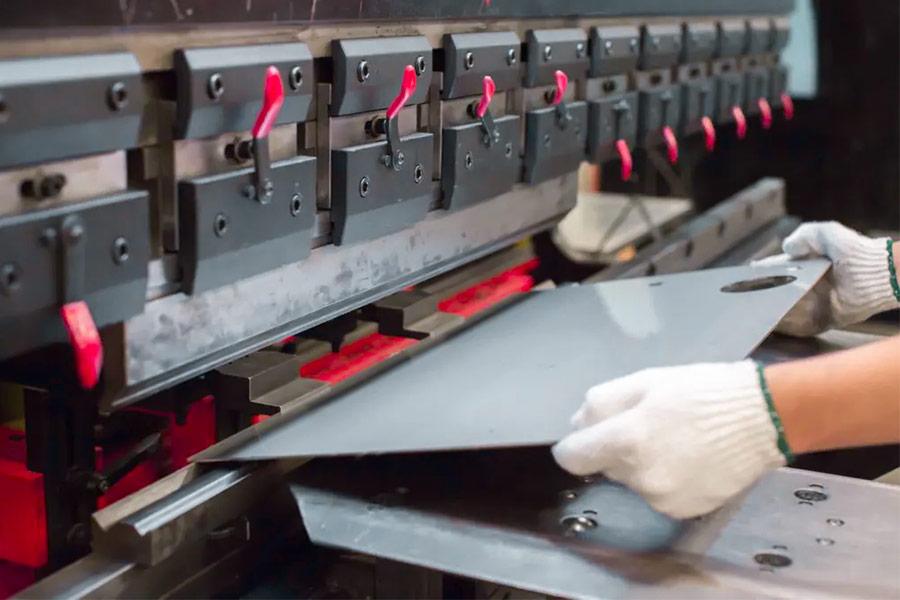
A life cycle cost analysis reveals that, over a 10-year period, Material B results in lower total expenditures due to reduced downtime and maintenance. This example highlights the importance of considering the entire product life when making fabrication decisions.
Best Practices for Implementing Life Cycle Costing in Metal Fabrication
To maximize the effectiveness of life cycle cost analysis in metalworking, consider these best practices:
- Standardize Data Collection: Develop templates and processes for gathering consistent cost data across projects.
- Collaborate Across Departments: Involve engineering, procurement, finance, and maintenance teams to ensure all perspectives are considered.
- Leverage Technology: Use software tools to model costs, track variables, and update assumptions as new information becomes available.
- Review Regularly: Revisit and update LCC analyses to reflect changes in material prices, labor rates, or operational requirements.
- Educate Stakeholders: Provide training and resources to help teams understand the value and methodology of life cycle costing.
For additional insights on material properties and their impact on fabrication quality, explore steel stamping material grain size importance for a deeper dive into how microstructure affects performance and cost.
Sustainability and Environmental Considerations
Integrating environmental factors into life cycle cost analysis is increasingly important. Sustainable practices—such as using recycled metals, minimizing energy consumption, and designing for recyclability—not only reduce environmental impact but can also lower total costs.
For a comprehensive look at eco-friendly strategies in the industry, see this guide to sustainable manufacturing and eco-friendly practices in metal fabrication.
Frequently Asked Questions
What is the main advantage of using life cycle costing in metal fabrication?
The primary benefit is the ability to make more informed decisions by considering all costs associated with a product over its entire life span. This helps organizations avoid unexpected expenses and select options that offer the best long-term value.
How does life cycle cost analysis differ from traditional cost analysis?
Traditional cost analysis often focuses on initial purchase price or short-term expenses. Life cycle cost analysis, on the other hand, includes acquisition, operation, maintenance, and disposal costs, providing a more comprehensive view of total ownership.
Can life cycle costing help improve sustainability in metal fabrication?
Yes. By factoring in energy use, recyclability, and environmental impact, life cycle costing encourages the adoption of sustainable materials and processes, which can reduce both costs and environmental footprint over time.