
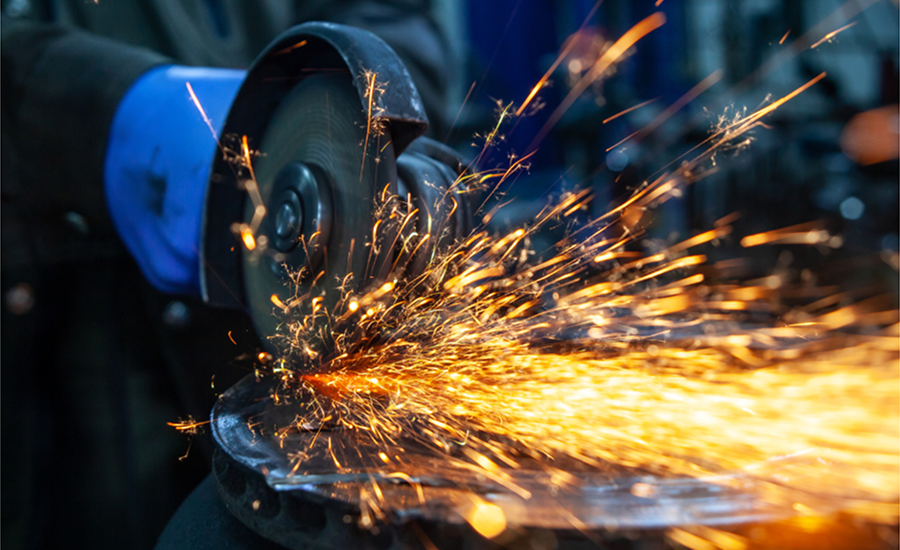
Metal fabrication is a cornerstone of modern industry, but traditional processes often generate unnecessary waste and inefficiencies. In recent years, lean manufacturing metal fabrication has emerged as a proven approach to minimize waste, improve productivity, and enhance product quality. By adopting lean principles, manufacturers can streamline workflows, reduce costs, and contribute to more sustainable operations.
This article explores how lean thinking transforms metalworking environments, highlighting practical strategies, common pitfalls, and the tangible benefits of waste reduction. For those interested in related process improvements, understanding how to optimize scrap chute angles can further support efficiency in metal stamping and fabrication.
Understanding Lean Principles in Metalworking
At its core, lean manufacturing is about maximizing value for the customer while minimizing waste. In the context of metal fabrication, this means identifying and eliminating activities that do not add value to the finished product. These non-value-adding activities—often called “waste”—can include excess material handling, overproduction, unnecessary movement, waiting times, and defects.
The five foundational principles of lean are:
- Value: Define what the customer values in the product or service.
- Value Stream: Map all steps in the process to identify and remove waste.
- Flow: Ensure smooth, uninterrupted movement of materials and information.
- Pull: Produce only what is needed, when it is needed.
- Perfection: Continuously improve processes to approach zero waste.
Applying these principles to metal fabrication requires a shift in mindset—from focusing solely on output to emphasizing process optimization and waste reduction.
Key Types of Waste in Metal Fabrication
Waste in metalworking environments can take many forms. Recognizing these is the first step toward improvement. The most common types include:
- Material Waste: Offcuts, scrap, and unused raw materials.
- Overproduction: Making more parts than needed, leading to excess inventory.
- Defects: Errors requiring rework or scrapping of parts.
- Waiting: Idle machines or operators due to bottlenecks or supply delays.
- Excess Motion: Unnecessary movement of people or equipment.
- Transportation: Moving materials further than necessary.
- Overprocessing: Performing more work or using higher precision than required.
By systematically addressing these wastes, companies can unlock significant cost savings and efficiency gains.
Strategies for Implementing Lean Manufacturing in Metal Fabrication
Transitioning to a leaner metalworking operation involves both cultural and technical changes. Here are some proven strategies:
Value Stream Mapping
Begin by mapping the entire fabrication process, from raw material intake to finished goods. This visual representation helps identify bottlenecks, redundant steps, and sources of waste. Teams can then prioritize improvements based on impact and feasibility.
5S Workplace Organization
The 5S methodology—Sort, Set in order, Shine, Standardize, Sustain—creates a clean, organized, and efficient workspace. In metal fabrication shops, this means clearly labeling tools, minimizing clutter, and establishing routines for cleaning and maintenance. A well-organized environment reduces search times, prevents errors, and enhances safety.
Just-in-Time Production
Producing components only as they are needed minimizes inventory and reduces the risk of overproduction. This approach requires close coordination with suppliers and customers, as well as reliable scheduling and forecasting systems.
Standardized Work and Continuous Improvement
Documenting and standardizing best practices ensures consistency and quality. At the same time, encouraging employee involvement in problem-solving fosters a culture of continuous improvement. Regular team meetings and feedback loops help surface issues and drive innovation.
Reducing Material Waste
Optimizing material usage is a central goal in lean manufacturing metal fabrication. Techniques such as nesting (arranging parts to maximize sheet utilization), using offcuts for smaller components, and selecting appropriate material grades can all contribute to less waste.
Technology’s Role in Lean Metalworking
Modern technology supports lean initiatives in several ways:
- Automation: CNC machines, robotic welders, and automated material handling systems reduce manual errors and speed up production.
- Software: Advanced CAD/CAM software enables precise nesting and process simulation, reducing trial-and-error and scrap rates.
- Data Analytics: Real-time monitoring and analytics help identify inefficiencies and track progress toward waste reduction goals.
Investing in the right technology can accelerate the transition to leaner, more efficient operations.

Benefits of Lean Practices in Metal Fabrication
Adopting lean methodologies delivers measurable benefits for metal fabricators:
- Reduced Costs: Lower material waste and improved efficiency translate directly to cost savings.
- Improved Quality: Standardized processes and continuous improvement reduce defects and rework.
- Shorter Lead Times: Streamlined workflows enable faster turnaround and better responsiveness to customer needs.
- Enhanced Safety: Organized, clutter-free workspaces reduce the risk of accidents.
- Sustainability: Less waste and energy use support environmental goals and regulatory compliance.
For a deeper dive into sustainable approaches, consider reading a comprehensive guide to sustainable metal fabrication solutions that explores eco-friendly practices and innovations in the industry.
Common Challenges and How to Overcome Them
While the advantages of lean manufacturing metal fabrication are clear, implementation can be challenging. Some common obstacles include:
- Resistance to Change: Employees may be hesitant to adopt new processes or technologies. Clear communication, training, and involving staff in improvement initiatives can ease the transition.
- Initial Investment: Upgrading equipment or software requires capital. However, the long-term savings often justify the upfront costs.
- Maintaining Momentum: Lean is not a one-time project but a continuous journey. Leadership commitment and regular progress reviews are essential.
Addressing these challenges head-on helps ensure lasting success and ongoing benefits.
Integrating Lean with Other Metalworking Best Practices
Lean manufacturing works best when combined with other process optimization techniques. For example, understanding steel stamping material yield strength considerations can help select the right materials and minimize waste during fabrication. Similarly, following best practices for stamping coated steels can prevent defects and reduce costly rework.
By integrating lean with these complementary strategies, manufacturers can build robust, efficient, and high-quality operations.
FAQ: Lean Manufacturing in Metal Fabrication
What is the main goal of lean manufacturing in metal fabrication?
The primary objective is to eliminate waste and maximize value for the customer. This is achieved by streamlining processes, reducing unnecessary steps, and continuously improving workflows to deliver high-quality products efficiently.
How can metal fabricators start implementing lean principles?
Begin with a value stream map to understand the current process and identify waste. Engage employees in 5S workplace organization, standardize best practices, and focus on small, incremental improvements. Leadership support and ongoing training are key to successful adoption.
Are there specific tools or technologies that support lean fabrication?
Yes, technologies such as CNC machines, automated material handling, and advanced CAD/CAM software are valuable. Real-time data analytics and process monitoring tools also help identify inefficiencies and track improvements over time.