
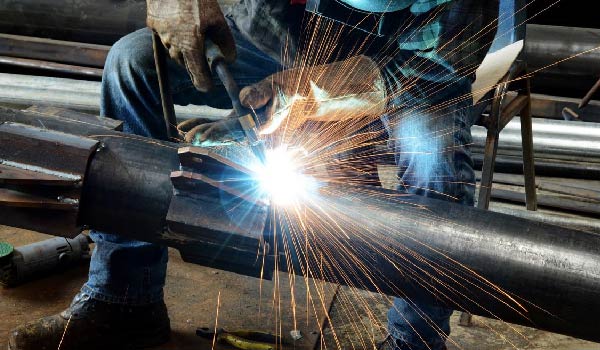
Controlling waste is one of the most effective ways for manufacturers to achieve industrial cost reduction through waste control. In today’s competitive environment, minimizing unnecessary expenses is not just about cutting corners—it’s about optimizing every stage of production, reducing material loss, and improving operational efficiency. By focusing on waste management, companies can unlock significant savings, enhance sustainability, and strengthen their position in the market.
This guide explores practical strategies for reducing costs by targeting waste in industrial settings. We’ll look at proven methods, real-world examples, and the latest tools that help manufacturers cut expenses while maintaining quality and compliance. If you’re seeking actionable insights for your facility, you’ll find a range of approaches that can be tailored to your unique needs.
For those interested in advanced solutions, exploring advanced materials recovery systems can further enhance efficiency and sustainability in metal plants.
Why Waste Control Matters for Manufacturing Expenses
Waste in industrial operations comes in many forms: excess raw materials, defective products, inefficient energy use, and even time lost to poor processes. Each type of waste directly impacts the bottom line. By implementing robust waste control practices, manufacturers can:
- Reduce material costs by maximizing resource utilization
- Lower disposal and landfill fees
- Improve productivity and reduce downtime
- Enhance product quality and customer satisfaction
- Meet regulatory and environmental standards
The cumulative effect of these improvements can be substantial, especially for facilities operating at scale. Even small percentage reductions in waste can translate into significant annual savings.
Key Waste Control Strategies for Lowering Industrial Costs
A variety of methods can be used to achieve cost savings through waste reduction. The most effective approach depends on the specific processes, materials, and goals of each facility. Here are some widely adopted strategies:
Lean Manufacturing and Continuous Improvement
Lean principles focus on eliminating non-value-added activities. By mapping out workflows and identifying bottlenecks, manufacturers can streamline operations and reduce unnecessary waste. Techniques such as 5S (Sort, Set in order, Shine, Standardize, Sustain), Kaizen (continuous improvement), and value stream mapping are commonly used to drive ongoing enhancements.
Material Recovery and Recycling
Recovering and reusing scrap materials is a direct way to lower expenses. Many metalworking facilities, for example, have implemented systems to collect, sort, and recycle offcuts and shavings. Investing in best practices for metal waste reduction can help companies recapture value from what would otherwise be discarded.
Process Optimization and Automation
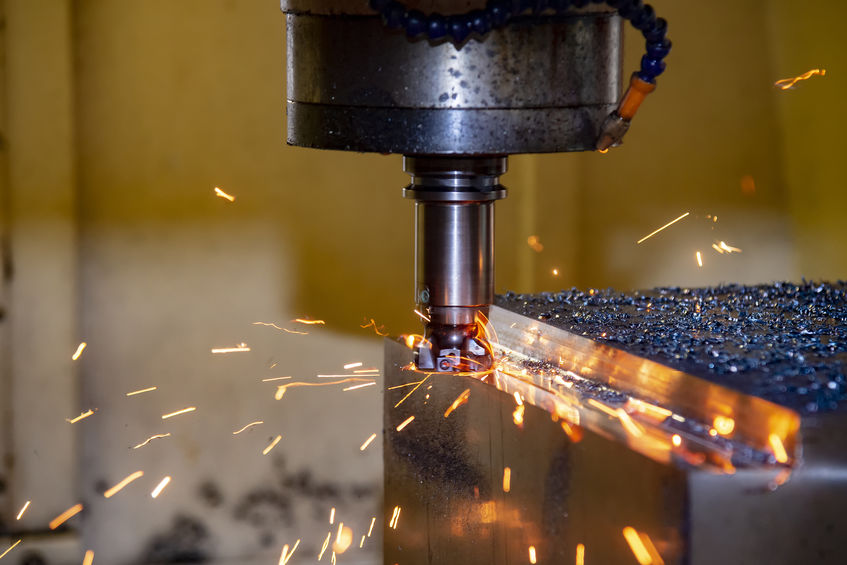
Modern manufacturing technologies, including automation and digital monitoring, make it easier to track waste and optimize production. Sensors, real-time data analytics, and predictive maintenance tools can identify inefficiencies before they become costly problems. Automated systems also reduce human error, further minimizing scrap and rework.
For example, integrating digital calipers and precision grinders into quality control processes ensures tighter tolerances and fewer defective parts, which directly supports industrial cost reduction through waste control.
Employee Training and Engagement
A workforce that understands the importance of waste control is more likely to spot issues early and suggest improvements. Regular training sessions, clear communication of goals, and incentive programs can foster a culture of efficiency. Employees on the shop floor often have valuable insights into where waste occurs and how it can be reduced.
Supplier Collaboration and Inventory Management
Working closely with suppliers to optimize order quantities, packaging, and delivery schedules can help reduce excess inventory and associated waste. Just-in-time (JIT) inventory systems, for example, minimize storage costs and the risk of materials becoming obsolete or damaged.
Case Studies: Real-World Results from Waste Reduction Initiatives
Many companies have achieved impressive results by focusing on waste management. For instance, a metal fabrication plant that implemented a scrap recovery program saw a 15% reduction in raw material costs within a year. Another manufacturer used lean techniques to cut production cycle times, resulting in less energy consumption and lower utility bills.
These examples highlight the tangible benefits of prioritizing waste control. For more detailed insights, reviewing industrial sustainability case studies metals can provide inspiration and practical lessons from across the sector.
Integrating Sustainability with Cost Reduction
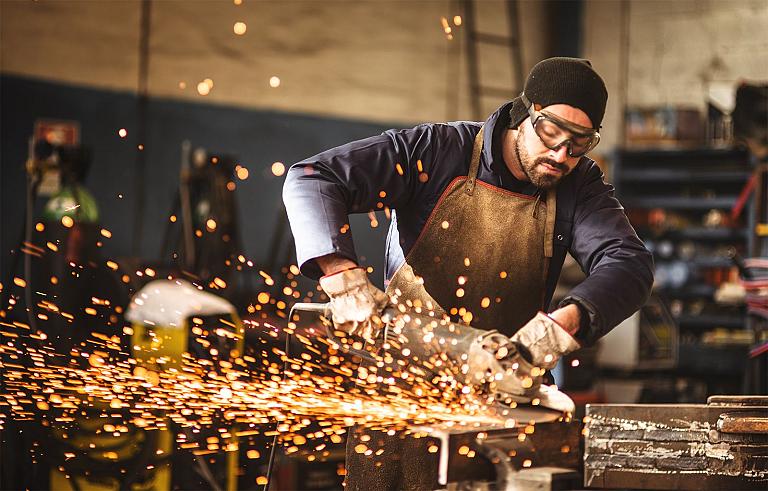
There is a strong link between environmental responsibility and financial performance. By reducing waste, manufacturers not only cut costs but also lower their environmental footprint. This dual benefit is increasingly important as customers, investors, and regulators demand more sustainable practices.
Adopting innovations in metal recycling technology can further support both cost efficiency and sustainability goals. New processes and equipment are making it easier to recover valuable materials and reduce reliance on virgin resources.
For a broader perspective, consider reviewing sustainability and recycling in the metallurgy industry, which explores how leading companies are integrating eco-friendly practices with operational savings.
Measuring Success: Tracking and Reporting Waste Reduction
To ensure ongoing improvement, it’s essential to track key performance indicators (KPIs) related to waste and cost savings. Common metrics include:
- Material yield (usable product vs. scrap)
- Waste disposal costs
- Energy and water consumption per unit produced
- Defect and rework rates
- Inventory turnover
Regular reporting helps identify trends, set targets, and maintain accountability across teams. Many companies use digital dashboards to visualize progress and share results with stakeholders.
Future Trends in Industrial Waste Management
The future of industrial cost reduction through waste control will be shaped by technology and changing market demands. Automation, artificial intelligence, and advanced analytics are making it possible to detect inefficiencies in real time and respond quickly. Circular economy principles—where waste from one process becomes input for another—are gaining traction, especially in metals and manufacturing.
Staying informed about the future of sustainable metal manufacturing can help businesses anticipate new opportunities and challenges in waste management.
Frequently Asked Questions
What are the main benefits of reducing industrial waste?
The primary benefits include lower material and disposal costs, improved operational efficiency, enhanced product quality, and a reduced environmental footprint. These advantages can lead to higher profitability and a stronger reputation with customers and regulators.
How can small manufacturers start implementing waste control measures?
Small manufacturers can begin by conducting a waste audit to identify the biggest sources of loss. Simple steps like improving inventory management, training staff, and recycling scrap materials can have a significant impact. Over time, investing in automation and process optimization can further enhance results.
Is it possible to achieve both cost savings and sustainability through waste control?
Yes, effective waste management delivers both financial and environmental benefits. By reducing resource consumption and minimizing landfill use, companies can save money while meeting sustainability goals and regulatory requirements.