
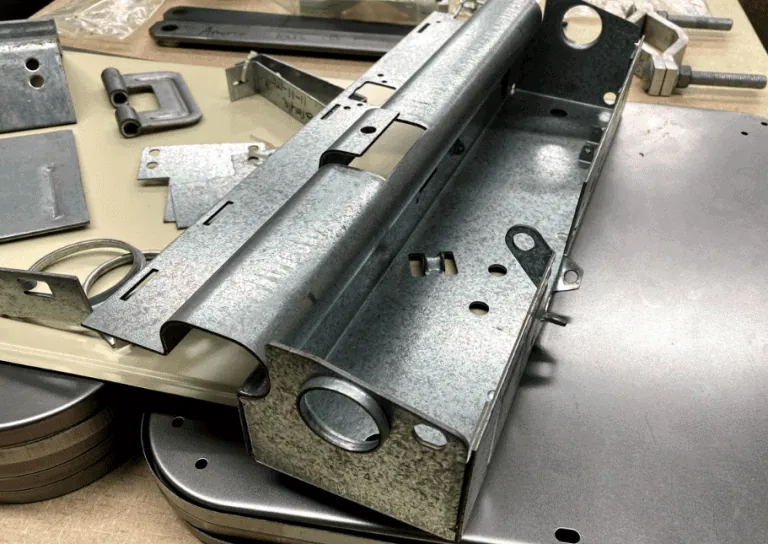
Precision in steel stamping is critical for manufacturing industries that rely on consistent part dimensions and tight tolerances. However, one often underestimated factor influencing these tolerances is temperature. The impact of temperature on steel stamping tolerances can lead to dimensional changes, affect material properties, and ultimately influence product quality and process efficiency. Understanding how temperature fluctuations interact with steel during stamping operations is essential for engineers, operators, and quality managers aiming to maintain optimal control over finished part dimensions.
This article explores the science behind thermal effects on steel stamping, practical challenges faced on the shop floor, and proven strategies for minimizing temperature-induced variation. By addressing these factors, manufacturers can enhance process reliability, reduce scrap rates, and ensure compliance with demanding quality standards. For those seeking additional guidance on related topics, our resource on best practices for stamping coated steels offers further insights into maintaining surface integrity during stamping.
Thermal Expansion and Its Role in Stamping Precision
Steel, like most metals, expands when heated and contracts when cooled. This basic principle of thermal expansion is a primary driver behind dimensional shifts during stamping operations. Even small temperature changes can cause measurable variations in part size, especially when working with tight tolerances. For example, a steel blank at 20°C may have a different length or hole diameter compared to the same blank at 40°C, simply due to expansion.
The coefficient of thermal expansion for steel is typically around 11–13 x 10-6 per °C. While this number may seem small, over large production runs or for parts with critical dimensions, the cumulative effect can be significant. Tooling, dies, and even the stamping press itself are also subject to these changes, which can further complicate tolerance control.
How Temperature Variations Affect Steel Stamping Tolerances
The impact of temperature on steel stamping tolerances is multifaceted. Some of the most common ways temperature influences the process include:
- Material Expansion/Contraction: As steel heats up, it expands, leading to larger part dimensions. Conversely, cooling causes contraction, potentially resulting in undersized parts.
- Tool and Die Distortion: Dies and tooling made from steel or other metals also expand and contract, which can affect the clearance between die and punch, altering the final stamped shape.
- Lubrication Performance: Lubricants may thin out or become less effective at higher temperatures, increasing friction and wear, which can indirectly influence part accuracy.
- Springback Variation: The tendency of steel to return to its original shape after forming (springback) can change with temperature, affecting the final geometry of stamped parts.
These factors make it clear that temperature control is not just a theoretical concern but a practical one that directly affects yield and quality.
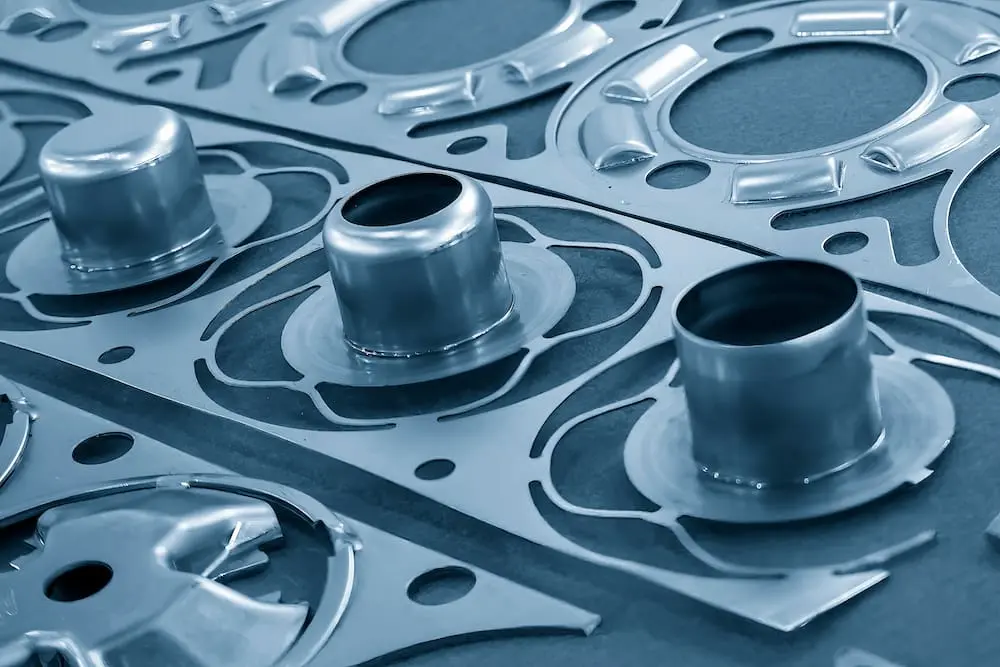
Challenges in Maintaining Consistent Tolerances
Maintaining tight tolerances in steel stamping becomes more challenging as temperature fluctuates throughout the day or across seasons. Some of the key challenges manufacturers face include:
- Environmental Temperature Swings: Facilities without climate control may experience significant temperature changes, especially near open doors or windows, leading to inconsistent part dimensions.
- Heat Generated by Equipment: Stamping presses and associated machinery generate heat during operation, which can locally raise the temperature of both tools and workpieces.
- Batch-to-Batch Variation: Steel coils or blanks stored at different temperatures can behave differently during stamping, making it difficult to standardize process settings.
- Measurement Inaccuracy: If parts are measured immediately after stamping while still warm, their dimensions may not reflect their final, cooled state, leading to false readings and potential rework.
To address these issues, manufacturers must implement robust monitoring and control strategies, as well as train operators to recognize and compensate for temperature-related effects. For further reading on operator training and safety, see our article on how to train operators for steel stamping safety.
Strategies for Managing Temperature Effects in Stamping Operations
Several proven methods can help minimize the impact of temperature on steel stamping tolerances:
- Environmental Control: Maintaining a stable temperature in the stamping area, either through HVAC systems or localized cooling/heating, reduces the risk of thermal expansion or contraction affecting part dimensions.
- Preconditioning Materials: Allowing steel blanks and coils to reach ambient temperature before stamping ensures more predictable material behavior.
- Tool and Die Temperature Monitoring: Using sensors to track die and tool temperatures helps operators adjust process parameters in real time, compensating for any thermal effects.
- Delayed Measurement: Measuring parts only after they have cooled to room temperature provides more accurate readings and prevents false rejects or unnecessary rework.
- Process Simulation: Advanced software can model the effects of temperature on both material and tooling, allowing engineers to anticipate and mitigate tolerance issues before production begins.
These strategies, when combined, can significantly improve dimensional consistency and reduce waste.
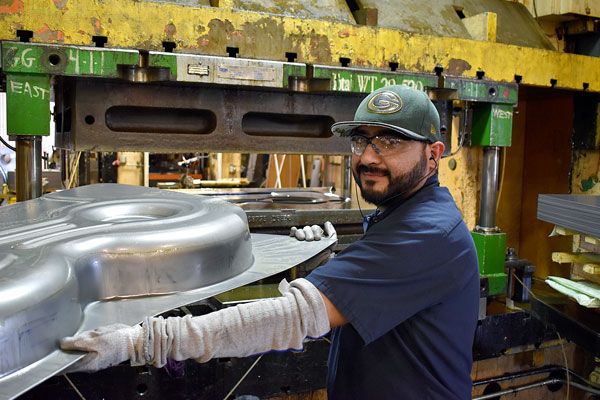
Quality Control and Inspection Considerations
Quality assurance teams must adapt their inspection protocols to account for temperature effects. This includes:
- Standardizing the temperature at which measurements are taken.
- Calibrating gauges and measurement tools at the same temperature as the parts being inspected.
- Documenting environmental conditions during inspection for traceability.
By integrating temperature awareness into quality control, manufacturers can reduce the risk of passing non-conforming parts or rejecting good ones due to measurement errors.
For those interested in further technical optimization, our guide on steel stamping edge quality optimization provides detailed advice on improving part quality at every stage.
Industry Best Practices for Temperature Management
Industry leaders adopt a range of best practices to manage temperature’s influence on stamping tolerances:
- Implementing real-time temperature monitoring systems for both materials and equipment.
- Scheduling production to avoid large temperature swings, such as starting up presses gradually.
- Training staff to recognize signs of temperature-induced variation and respond appropriately.
- Collaborating with material suppliers to ensure consistent steel properties and delivery conditions.
For a deeper dive into safe and efficient metal stamping operations, consider reading this comprehensive overview of safety in the metal stamping industry.
FAQ: Temperature and Steel Stamping Tolerances
How much can temperature actually affect steel stamping tolerances?
Even a few degrees Celsius can cause measurable changes in steel dimensions due to thermal expansion. For parts with tight tolerances, this can mean the difference between a pass and a fail during inspection. The effect is more pronounced with larger parts or higher temperature swings.
What is the best way to measure stamped parts for accuracy?
Always allow stamped parts to cool to ambient temperature before measuring. Use calibrated instruments and, if possible, measure in a temperature-controlled environment to ensure consistency and accuracy.
Can software help predict temperature-related tolerance issues?
Yes, many modern stamping operations use simulation software to model the effects of temperature on both materials and tooling. This allows engineers to anticipate potential issues and adjust process parameters before production begins.
By understanding and addressing the impact of temperature on steel stamping tolerances, manufacturers can achieve greater consistency, reduce rework, and maintain high standards of quality in their finished products. For further reading on related operational challenges, see our article on how to manage lubrication runoff in stamping.