
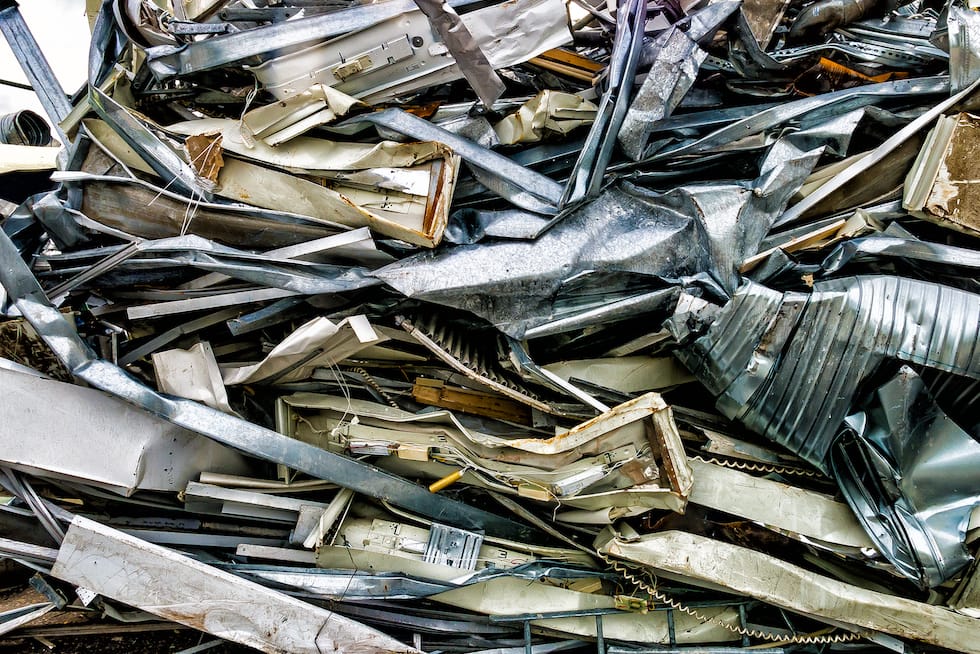
As industries and consumers seek ways to address climate change, the impact of recycled metals on carbon footprint has become a central topic in sustainability discussions. Recycling metals not only conserves natural resources but also significantly reduces greenhouse gas emissions compared to primary metal production. Understanding how metal recycling contributes to a lower environmental impact can help businesses, manufacturers, and individuals make more informed decisions about resource management and carbon reduction strategies.
This article explores the environmental benefits of using recycled metals, the processes involved, and how these efforts translate into measurable reductions in carbon emissions. For those working in metal fabrication or manufacturing, adopting sustainable practices—including recycling—can also complement best practices for stamping coated steels and other production optimizations.
How Metal Recycling Reduces Greenhouse Gas Emissions
The process of extracting and refining raw metals is energy-intensive and emits substantial amounts of carbon dioxide and other greenhouse gases. In contrast, recycling metals uses far less energy, resulting in a much smaller carbon footprint. For example, producing aluminum from recycled material requires up to 95% less energy than using virgin ore. Similarly, recycling steel saves around 60-74% of energy compared to primary production.
These energy savings directly translate into lower emissions. By choosing recycled metals, manufacturers can significantly cut their contribution to climate change. The carbon footprint reduction from recycled metals is particularly impactful in sectors like construction, automotive, and electronics, where metal usage is high.
Environmental Advantages of Using Recycled Metals
Beyond energy savings, using recycled metals offers several environmental benefits:
- Conservation of Natural Resources: Recycling reduces the need for mining, preserving finite resources and minimizing land disturbance.
- Lower Water and Air Pollution: Metal recycling processes typically use less water and generate fewer pollutants than mining and refining raw materials.
- Waste Reduction: Diverting scrap metal from landfills decreases the volume of waste and prevents hazardous substances from leaching into the environment.
- Support for Circular Economy: Recycled metals can be used repeatedly without losing quality, supporting sustainable production cycles.

Key Metals and Their Role in Lowering Emissions
Not all metals offer the same environmental impact when recycled. The most commonly recycled metals—aluminum, steel, copper, and lead—each play a distinct role in reducing emissions:
- Aluminum: As mentioned, recycling aluminum saves up to 95% of the energy required for primary production. This makes it one of the most effective metals for cutting carbon emissions.
- Steel: Steel is the most recycled material globally. Using scrap steel in electric arc furnaces can reduce CO2 emissions by up to 58% compared to traditional blast furnaces.
- Copper: Recycling copper uses about 85% less energy than extracting new copper, with significant reductions in both emissions and environmental degradation.
- Lead: The majority of lead used in batteries is now sourced from recycled materials, helping to prevent toxic waste and lower the overall carbon footprint.
For more detail on how different types of scrap metal are utilized in various industries, see this overview of recycled scrap metal applications.
Challenges and Opportunities in Metal Recycling
While the environmental case for recycling metals is strong, several challenges remain. Contamination of scrap, inefficient collection systems, and fluctuating market prices can hinder recycling rates. However, technological advances—such as improved sorting and shredding equipment—are making it easier to recover high-quality recycled metals.
Companies can further reduce their environmental impact by investing in modern recycling equipment and training staff in sustainable practices. For example, integrating recycling with steel stamping edge quality optimization can maximize both material efficiency and product quality.

Integrating Recycled Metals into Manufacturing Processes
Manufacturers looking to lower their carbon emissions can start by sourcing more recycled metals and optimizing their processes to minimize waste. This may involve:
- Partnering with reliable scrap suppliers to ensure a steady stream of high-quality recycled material.
- Investing in equipment that efficiently handles and processes scrap metal.
- Training operators on sustainable production and recycling practices. For guidance, see tips on how to train operators for steel stamping safety.
- Tracking and reporting carbon savings to demonstrate environmental responsibility to customers and stakeholders.
By making recycled metals a core part of their supply chain, companies can not only reduce their environmental impact but also benefit from cost savings and improved brand reputation.
Frequently Asked Questions
How does recycling metals help reduce carbon emissions?
Recycling metals requires much less energy than producing metals from raw materials. This results in significantly lower greenhouse gas emissions, which helps decrease the overall carbon footprint of manufacturing and construction industries.
Which metals offer the greatest environmental benefit when recycled?
Aluminum and steel provide the largest carbon savings when recycled, due to the high energy requirements of their primary production. Copper and lead also offer substantial benefits, especially when used in large-scale applications.
What are the main barriers to increasing metal recycling rates?
Common challenges include contamination of scrap, lack of efficient collection systems, and market fluctuations. Advances in recycling technology and better industry collaboration can help overcome these obstacles and improve recycling rates.
Conclusion: The Ongoing Role of Metal Recycling in Sustainability
The use of recycled metals is a proven strategy for reducing the carbon footprint of industrial and consumer products. By embracing recycling, industries can conserve resources, lower emissions, and support a more sustainable future. As technology and best practices continue to evolve, the positive environmental impact of recycled metals will only grow, making it a key component of global efforts to combat climate change.