
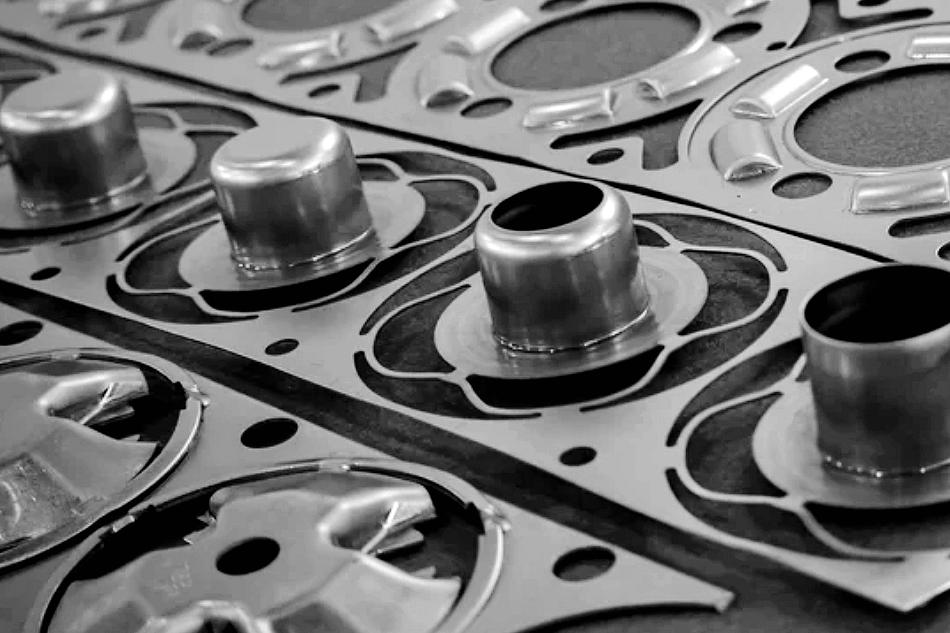
The impact of eccentric loading on stamping presses is a critical concern for manufacturers aiming to maximize equipment lifespan and maintain consistent production quality. Eccentric loading occurs when the force applied during stamping is not evenly distributed across the press’s ram or bolster, leading to uneven stress and accelerated wear on vital machine components. Over time, this imbalance can cause premature failure, increased maintenance costs, and unexpected downtime.
Understanding how off-center loads affect press longevity is essential for anyone involved in metal forming operations. By recognizing the risks and implementing best practices, manufacturers can extend the service life of their presses, reduce repair expenses, and ensure safer, more reliable production cycles. For those looking to further optimize their stamping operations, exploring topics such as how to optimize scrap chute angles can provide additional efficiency gains.
What Is Eccentric Loading in Stamping Presses?
Eccentric loading refers to situations where the applied force during a stamping operation is offset from the press’s centerline. Instead of the load being distributed evenly, it is concentrated on one side or corner of the press. This can happen due to improper die alignment, uneven material thickness, or part designs that require off-center forming.
When a press experiences this type of loading, the resulting stresses are not balanced. The side of the press receiving more force will wear faster, and critical components such as the ram, guides, and frame may deform or develop cracks over time. This uneven wear can compromise press accuracy and ultimately shorten the machine’s operational life.
How Eccentric Loads Affect Press Longevity
The impact of eccentric loading on stamping presses is most evident in the way it accelerates component fatigue and failure. Key effects include:
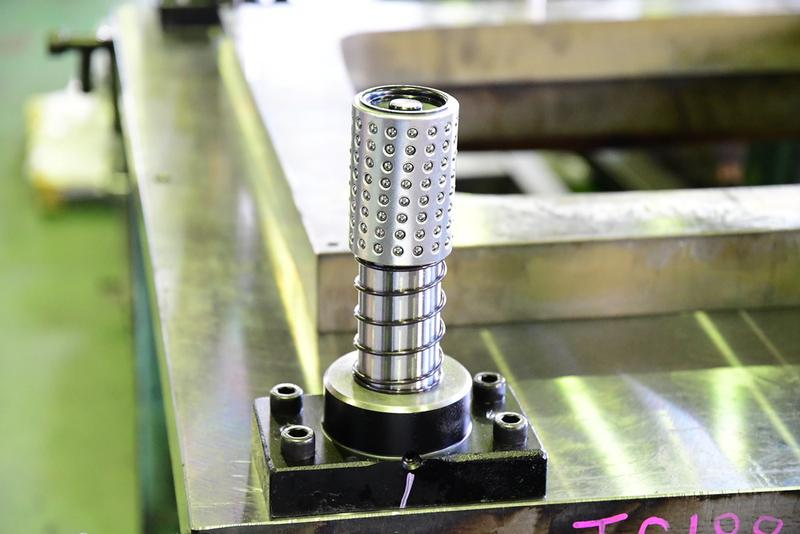
- Increased Wear on Guides and Bushings: Off-center forces cause guides and bushings to wear unevenly, leading to misalignment and reduced stamping precision.
- Frame Deformation: The press frame may bend or twist under repeated eccentric loads, which can result in permanent structural damage.
- Cracking and Fatigue: Concentrated stresses increase the risk of cracks forming in the frame, ram, or bolster, especially at stress concentration points.
- Reduced Tool Life: Dies and tooling subjected to uneven forces may chip, crack, or wear out faster, increasing replacement costs.
Over time, these issues can cause significant downtime and require expensive repairs or even complete press replacement. Regular monitoring and maintenance are necessary to detect early signs of wear and prevent catastrophic failures.
Common Causes of Off-Center Loading
Several factors can contribute to eccentric loading in stamping operations:
- Improper Die Setup: Misaligned dies or incorrect installation can shift the load away from the press centerline.
- Asymmetric Part Design: Parts that are not symmetrical or require operations far from the press center can create uneven force distribution.
- Uneven Material Feed: Variations in material thickness or feeding errors can result in one side of the die engaging before the other.
- Multiple Operations: Progressive dies or setups with multiple forming stations may introduce off-center loads if not balanced correctly.
Identifying and addressing these causes is essential for minimizing the negative effects on press longevity.
Best Practices to Minimize Eccentric Loading
To reduce the impact of eccentric loading on stamping presses, manufacturers can adopt several strategies:
- Ensure Proper Die Alignment: Regularly check and adjust die positioning to keep the load centered.
- Balance Progressive Dies: Design dies so that operations are distributed as evenly as possible across the press bed.
- Monitor Material Feed: Use sensors and guides to maintain consistent material positioning and thickness.
- Schedule Preventive Maintenance: Inspect critical press components for signs of uneven wear and address issues promptly.
- Invest in Training: Equip operators with the knowledge to recognize and correct off-center loading conditions.
Implementing these practices not only extends press service life but also improves part quality and reduces scrap rates. For those working with specialized materials, reviewing best practices for stamping coated steels can further enhance results.
Detecting and Addressing Eccentric Load Issues
Early detection of off-center loading is vital for preventing long-term damage. Common signs include:
- Unusual noises or vibrations during operation
- Visible wear patterns on guides, bushings, or the press bed
- Misaligned or inconsistent stamped parts
- Cracks or deformation in the press frame
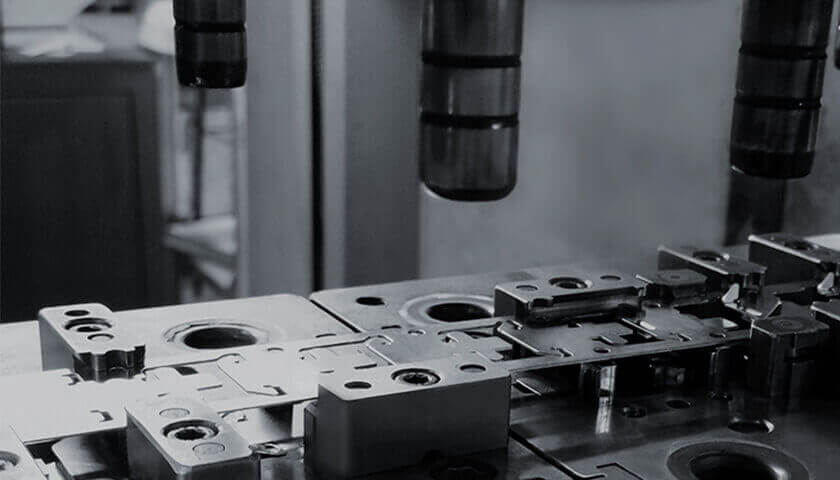
When these symptoms are observed, it is important to stop production and investigate the root cause. Using dial indicators, laser alignment tools, and regular visual inspections can help pinpoint issues before they escalate. In some cases, consulting with a press manufacturer or service provider may be necessary to restore proper alignment and load distribution.
Long-Term Benefits of Managing Eccentric Loading
By proactively addressing the impact of eccentric loading on stamping presses, manufacturers benefit in several ways:
- Extended Equipment Life: Balanced loading reduces wear and delays the need for major repairs or replacement.
- Improved Part Quality: Consistent force distribution ensures accurate, repeatable stamping results.
- Lower Maintenance Costs: Preventing uneven wear minimizes unplanned downtime and repair expenses.
- Enhanced Workplace Safety: Well-maintained presses are less likely to experience catastrophic failures that could endanger operators.
For a deeper understanding of related topics, consider reviewing steel stamping material yield strength considerations to ensure your processes are optimized from both a mechanical and materials perspective.
Additional Resources and Safety Considerations
Safety is paramount in any stamping operation. Operators should be trained to recognize the risks associated with eccentric loading and follow established safety protocols. For more information on safe die operations and best practices, refer to sheet metal forming die operations safety guidelines.
Staying informed about the latest techniques and industry standards can help manufacturers maintain efficient, safe, and long-lasting stamping operations.
Frequently Asked Questions
What are the main risks of ignoring eccentric loading in stamping presses?
Neglecting off-center loading can lead to accelerated wear, misalignment, frame cracking, and ultimately, costly press failure. It also increases the risk of producing defective parts and can compromise operator safety.
How can I tell if my stamping press is experiencing eccentric loading?
Look for signs such as uneven wear on guides and bushings, abnormal vibrations, misaligned stamped parts, or visible deformation in the press frame. Regular inspections and monitoring are key to early detection.
What steps can I take to prevent off-center loading in my stamping operations?
Ensure dies are properly aligned, balance progressive die operations, monitor material feed consistency, and schedule preventive maintenance. Training operators to recognize and address loading issues is also crucial.