
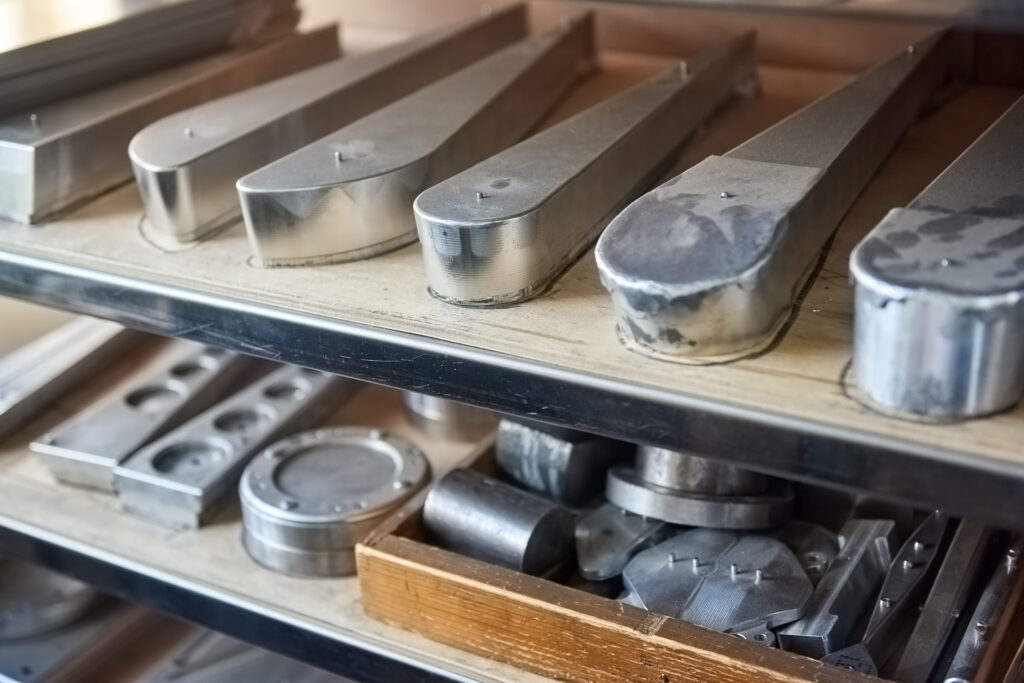
Proper storage of stamping dies is essential for maintaining their performance, extending their service life, and ensuring safety in any metalworking environment. When these precision tools are not stored with care, they can suffer from corrosion, physical damage, or even misalignment, leading to costly downtime and compromised product quality. Whether you manage a large stamping operation or a small workshop, understanding the best practices for die storage will help you protect your investment and keep your processes running smoothly.
In this article, we’ll cover the key principles of how to store stamping dies properly, including environmental controls, handling procedures, and organizational strategies. You’ll also find practical tips, answers to common questions, and links to related resources such as stamping press vibration control tips to further enhance your die maintenance program.
Why Proper Storage of Stamping Dies Matters
Stamping dies are precision tools that require careful handling and storage to maintain their accuracy and longevity. Improper storage can lead to rust, nicks, or warping, which directly impacts the quality of stamped parts and increases maintenance costs. By following best practices for die storage, you can:
- Prevent corrosion by minimizing exposure to moisture and contaminants.
- Avoid physical damage such as dents, scratches, or misalignment.
- Improve safety by reducing the risk of accidents caused by unstable or improperly stacked dies.
- Enhance efficiency by making dies easy to locate and access when needed.
Environmental Controls for Die Storage
One of the most important aspects of storing stamping dies correctly is controlling the environment in which they are kept. Dies are susceptible to rust and corrosion, especially if stored in areas with high humidity or temperature fluctuations.
- Climate Control: Store dies in a clean, dry, and temperature-controlled room. Aim for a consistent temperature and relative humidity below 50% to minimize the risk of condensation and rust.
- Ventilation: Ensure adequate airflow to prevent moisture buildup. Use dehumidifiers in regions with naturally high humidity.
- Cleanliness: Keep storage areas free from dust, oils, and other contaminants that could settle on die surfaces.
Organizing Dies for Safety and Accessibility
Organization is key to both protecting your dies and improving workflow. A well-structured storage system reduces handling errors and makes it easier to track tool usage and maintenance needs.
- Racking Systems: Use sturdy, purpose-built racks or shelving that can support the weight of your dies. Each die should have a designated spot to prevent stacking and accidental drops.
- Labeling: Clearly label each die with identification numbers, part names, and maintenance records. This helps operators quickly find the correct tool and reduces unnecessary handling.
- Inventory Management: Implement a tracking system—manual or digital—to log die locations, usage, and service history.

Best Practices for Handling and Maintenance
Even with optimal storage conditions, improper handling can still result in damage. Adopting safe handling procedures and regular maintenance routines will further protect your dies.
- Use Proper Lifting Equipment: Always use cranes, hoists, or forklifts rated for the die’s weight. Avoid manual lifting to prevent injuries and accidental drops.
- Protect Surfaces: Place dies on padded surfaces or wooden pallets to avoid direct contact with concrete or metal, which can cause scratches or deformation.
- Apply Protective Coatings: After cleaning, apply a light coat of rust inhibitor or protective oil to all exposed surfaces before storage.
- Inspect Regularly: Schedule periodic inspections for signs of corrosion, wear, or damage. Address any issues immediately to prevent further deterioration.
Common Storage Methods for Stamping Dies
There are several effective ways to store stamping dies, depending on your facility’s size and the types of dies you use. Below are some widely adopted methods:
- Vertical Storage: Storing dies upright on racks saves floor space and makes individual dies easier to access. Ensure each die is securely supported to prevent tipping.
- Horizontal Storage: For larger or heavier dies, horizontal shelving with padded supports is often safer. Avoid stacking dies directly on top of each other.
- Custom Cabinets: Lockable cabinets with adjustable shelves provide added protection against dust and unauthorized access.

Preventing Common Causes of Die Damage
Damage to stamping dies often results from avoidable mistakes. Here are some tips to help you avoid the most frequent problems:
- Moisture Exposure: Always dry dies thoroughly after cleaning and before storage. Use desiccant packs in cabinets or toolboxes for added moisture control.
- Improper Stacking: Never stack dies directly on top of each other. Use separators or dedicated shelving to keep each die isolated.
- Neglecting Protective Coatings: Skipping the application of rust inhibitors can lead to rapid corrosion, especially in humid environments.
- Rough Handling: Train staff on safe handling procedures and always use appropriate lifting tools.
Further Resources and Expert Advice
For more in-depth guidance on die maintenance and related topics, explore resources like comprehensive die storage and care guides from industry experts. Additionally, you can improve your overall stamping process by learning about how to select a steel stamping lubricant or reviewing the impact of press speed on part accuracy.
Frequently Asked Questions
What is the ideal environment for storing stamping dies?
The best environment for die storage is a clean, dry, and temperature-controlled room with humidity levels below 50%. Avoid areas with wide temperature swings or high moisture, as these conditions accelerate corrosion.
How often should stamping dies be inspected during storage?
It’s recommended to inspect stored dies at least once every three months. Look for signs of rust, physical damage, or contamination, and reapply protective coatings as needed.
Can I stack stamping dies to save space?
Stacking dies is not recommended, as it increases the risk of physical damage and makes individual dies harder to access. Instead, use dedicated racks or shelving to keep each die separated and supported.
Conclusion
Taking the time to implement proper storage methods for your stamping dies will pay off in reduced downtime, lower maintenance costs, and improved product quality. By controlling the storage environment, organizing tools efficiently, and following safe handling procedures, you can significantly extend the lifespan of your dies. For additional insights, consider reviewing topics like steel stamping surface finish requirements or exploring the differences between hydraulic and mechanical stamping presses to further optimize your metalworking operations.