
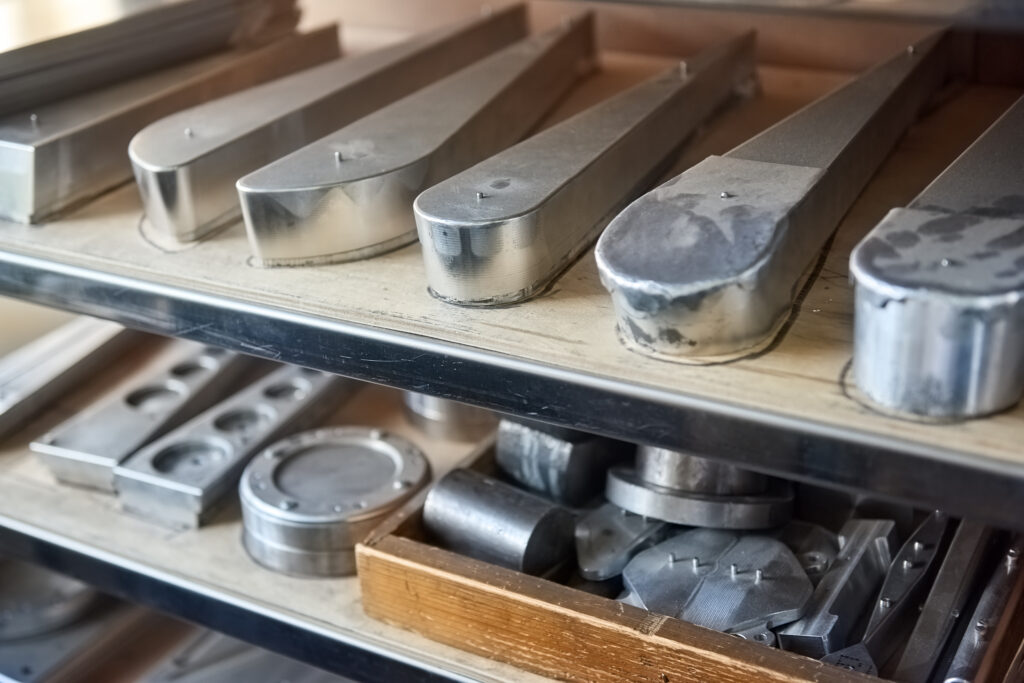
Reducing material waste is a top priority for any manufacturer working with metal stamping processes. Excess scrap not only increases production costs but also impacts sustainability goals and operational efficiency. By focusing on smart design, process optimization, and ongoing monitoring, manufacturers can significantly cut down on unnecessary waste and improve their bottom line.
In this article, you’ll find practical strategies and proven techniques for minimizing scrap in metal stamping operations. We’ll cover everything from tooling design to material selection, and highlight how continuous improvement and technology can make a measurable difference. For those interested in broader industry trends, exploring metal fabrication environmental trends can provide additional context on sustainability efforts in manufacturing.
Understanding Scrap Generation in Metal Stamping
Before implementing waste reduction measures, it’s important to understand where and why scrap is created in the stamping process. Scrap typically results from:
- Improper part nesting or layout on the sheet or coil
- Tooling wear or misalignment
- Material defects or inconsistencies
- Incorrect press settings or process parameters
- Design features that require excessive trimming or punching
By identifying the main sources of waste, manufacturers can target their efforts for maximum impact.
Optimizing Tooling and Die Design for Less Waste
One of the most effective ways to minimize scrap is by refining die and tooling design. Here are several approaches:
- Progressive die stamping allows for multiple operations in a single pass, reducing handling and material waste. Learn more about the benefits of progressive die stamping for manufacturing efficiency.
- Optimized part nesting ensures that parts are arranged on the sheet or coil to maximize material usage and minimize offcuts.
- Precision die maintenance keeps tooling sharp and aligned, which helps prevent burrs, mis-punches, and unnecessary trimming.
- Reducing unnecessary features in part design can eliminate extra holes, slots, or shapes that generate additional scrap.

Material Selection and Handling to Prevent Excess Scrap
Choosing the right material and handling it properly can have a significant impact on waste reduction. Consider these best practices:
- Select high-quality, consistent stock to minimize defects that lead to rejected parts.
- Use the correct thickness and grade for the application to avoid over-engineering and unnecessary waste.
- Store materials properly to prevent warping, corrosion, or contamination that could render stock unusable.
- Implement first-in, first-out (FIFO) inventory to ensure older material is used before it degrades.
Process Control and Operator Training for Scrap Reduction
Even with the best tooling and materials, process control is essential for minimizing waste in stamping operations. Key strategies include:
- Standardize press settings and monitor them regularly to maintain consistent quality.
- Train operators on best practices for setup, inspection, and troubleshooting.
- Implement real-time monitoring to catch issues early and prevent large batches of defective parts.
- Encourage a culture of continuous improvement where operators are empowered to suggest process enhancements.

Leveraging Technology and Data for Waste Minimization
Modern manufacturing technologies offer new opportunities for reducing scrap in metal stamping. Consider adopting:
- Simulation software to test part layouts and die designs before production begins, helping to identify potential waste points.
- Automated inspection systems that catch defects early and reduce the risk of producing large quantities of scrap.
- Data analytics to track scrap rates, identify trends, and guide process improvements.
- IoT-enabled equipment for real-time feedback on machine performance and material usage.
For a deeper dive into sustainability and innovation, check out resources on green innovation in metal fabrication and how technology is shaping the future of the industry.
Continuous Improvement and Lean Manufacturing Principles
Adopting lean manufacturing principles is a proven way to drive ongoing reductions in waste. Some key concepts include:
- Kaizen: Encourage small, incremental changes suggested by employees at all levels.
- 5S methodology: Organize the workspace for efficiency and clarity, reducing the risk of errors that cause scrap.
- Value stream mapping: Analyze every step of the process to identify and eliminate non-value-adding activities.
- Regular scrap audits: Review waste data and investigate root causes to drive targeted improvements.
For more on safety and efficiency, consider reviewing steel stamping safety guidelines for modern shops.
Collaborating with Suppliers and Customers
Waste reduction is most effective when it involves the entire supply chain. Manufacturers can work with suppliers to:
- Specify tighter material tolerances to reduce defects
- Request pre-cut or pre-treated stock to minimize on-site processing
- Share feedback on material performance and collaborate on improvements
Engaging with customers during the design phase can also help simplify parts and reduce unnecessary features that generate scrap.
Case Studies and Industry Resources
Many manufacturers have achieved significant waste reduction by implementing the strategies discussed above. For example, companies that switched to progressive die stamping have reported up to 30% less scrap, while those leveraging simulation software have seen a dramatic drop in trial-and-error waste.
For more practical examples and expert insights, visit industry blogs such as this in-depth guide on die design and scrap reduction.
Frequently Asked Questions
What are the main causes of scrap in metal stamping?
The primary causes include poor die design, improper material selection, equipment misalignment, operator error, and inconsistent process parameters. Regular maintenance, training, and process monitoring can help address these issues.
How can progressive die stamping help minimize waste?
Progressive die stamping combines multiple operations into a single tool, reducing material handling and maximizing material utilization. This results in less offcut and fewer defective parts compared to traditional methods.
What role does operator training play in reducing scrap?
Well-trained operators are better equipped to set up machines correctly, identify issues early, and follow best practices. Ongoing training ensures that staff stay current with new technologies and process improvements, directly contributing to lower scrap rates.
Are there industry standards for acceptable scrap rates?
Acceptable scrap rates vary by industry and part complexity, but most manufacturers aim for less than 5%. Continuous improvement efforts can help push rates even lower over time.
Conclusion
Reducing waste in metal stamping is a multifaceted effort that involves smart design, careful material selection, process control, and a commitment to continuous improvement. By leveraging technology, collaborating with partners, and empowering operators, manufacturers can achieve significant reductions in scrap, lower costs, and support sustainability goals. Staying informed about future of sustainable metal fabrication trends will ensure ongoing success in this area.