
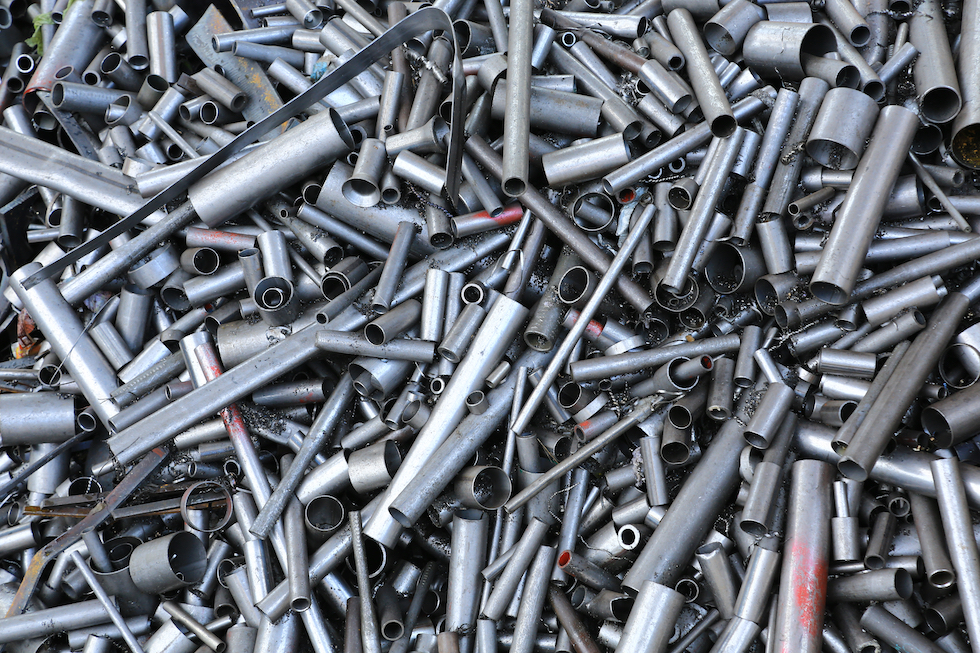
Recycling metals with surface coatings is a crucial step toward reducing landfill waste and conserving valuable resources. However, the presence of paints, plastics, or other coatings on metals can complicate the recycling process. Understanding how to recycle coated metals ensures that these materials are processed efficiently and safely, minimizing environmental impact and supporting a sustainable circular economy.
Whether you’re dealing with galvanized steel, painted aluminum, or other coated metal products, it’s important to know the right procedures for preparation and disposal. This article covers the essential steps, challenges, and best practices for handling coated metals at end-of-life. For those involved in metalworking, you may also find value in learning about best practices for stamping coated steels to prevent damage and improve recyclability.
Understanding Coated Metals and Their Impact on Recycling
Coated metals are metals that have been treated with a layer of another material—such as paint, plastic, or zinc—to improve durability, corrosion resistance, or appearance. Common examples include galvanized steel, powder-coated aluminum, and painted iron. These coatings, while beneficial in use, can pose challenges during recycling because they may contain chemicals or materials that are not compatible with standard metal processing.
The recycling process for coated metals often requires extra steps to remove or neutralize the coatings. If coatings are not properly managed, they can contaminate metal batches, reduce the quality of recycled products, and even release hazardous substances during melting or shredding.
Steps for Preparing Coated Metals for Recycling
Proper preparation is key when dealing with metals that have surface treatments. Here are the main steps to follow:
- Sort by Metal Type: Separate ferrous (iron-based) from non-ferrous (aluminum, copper, etc.) metals. This helps recyclers process materials more efficiently.
- Identify the Coating: Determine whether the coating is paint, plastic, zinc, or another material. Some coatings may require special handling due to hazardous content.
- Remove Loose or Hazardous Coatings: If possible, strip off flaking paint or plastic. For hazardous coatings (like lead-based paint), consult your local recycling center for guidance.
- Clean the Metal: Remove dirt, oil, and other contaminants. Clean metals are more valuable and easier to recycle.
- Cut or Shred Large Pieces: Break down bulky items to facilitate handling and processing. Specialized equipment, such as shredders, can help with this step.
Challenges in Processing Coated Metals
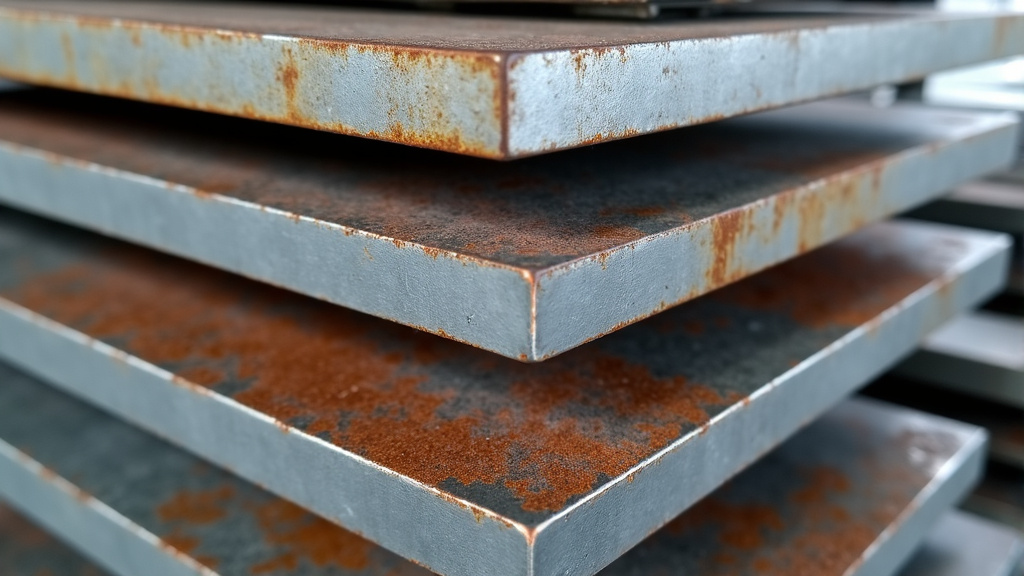
The main difficulty with recycling coated metals lies in the removal or management of the coating. Some coatings, such as powder coatings or certain plastics, can be burned off at high temperatures in industrial furnaces. However, this process must be carefully controlled to prevent the release of toxic fumes or residues.
In some cases, coatings can be separated mechanically through shredding or abrasion. For example, a metal shredding machine can break down coated items, allowing recyclers to sort and process the base metal more effectively. If you regularly handle large volumes of coated scrap, investing in the right equipment can streamline your workflow.
Environmental regulations may restrict how certain coatings are handled, especially if they contain hazardous substances. Always check with your local recycling facility for specific requirements and disposal guidelines.
Best Practices for Recycling Metals with Surface Treatments
To maximize recycling efficiency and minimize environmental risks, follow these best practices:
- Consult Local Recycling Centers: Not all facilities accept coated metals, or they may have specific preparation requirements. Contact your local center before dropping off materials.
- Use Proper PPE: When handling or removing coatings, wear gloves, masks, and safety glasses to protect yourself from dust and fumes.
- Document Hazardous Coatings: If you suspect a coating contains hazardous materials (like lead or asbestos), inform the recycler and follow their instructions for safe disposal.
- Stay Informed: Keep up to date with recycling guidelines and regulations in your area, as rules may change over time.
For those working in industrial settings, optimizing processes such as steel stamping edge quality optimization can also improve the recyclability of coated products by reducing defects and material waste.
Where to Take Coated Metals for Responsible Recycling
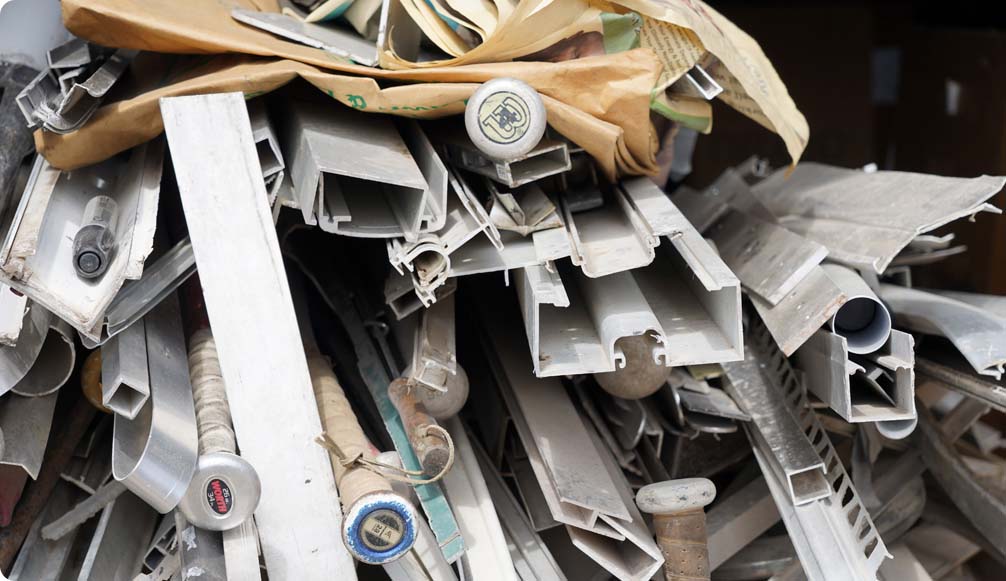
Most municipal recycling programs accept basic metals, but not all are equipped to handle items with complex coatings. Specialized scrap yards and metal recycling facilities are better suited for these materials. Before transporting your scrap, call ahead to confirm they accept coated metals and ask about any preparation steps you should take.
Some coatings, especially those containing hazardous chemicals, may require disposal at certified hazardous waste facilities. For more details on which metals and coatings are accepted in your area, consult resources like this comprehensive guide to recyclable metals.
Benefits of Properly Recycling Coated Metals
By following correct procedures for recycling metals with surface treatments, you help:
- Conserve Natural Resources: Recycling reduces the need for new mining and extraction.
- Lower Greenhouse Gas Emissions: Processing recycled metals uses less energy than producing new metals from raw ore.
- Prevent Environmental Contamination: Proper handling of coatings prevents hazardous substances from entering soil and water.
- Support the Circular Economy: Recycled metals can be used in new products, reducing overall waste.
For manufacturers and industrial operators, integrating recycling best practices with other process improvements—such as secondary operation considerations in steel stamping—can further enhance sustainability and operational efficiency.
Frequently Asked Questions
Can all coated metals be recycled?
Most coated metals can be recycled, but the process depends on the type of coating and local recycling capabilities. Some coatings, especially those containing hazardous materials, may require special handling or disposal.
Do I need to remove the coating before recycling?
It’s not always necessary to remove coatings yourself, as many recycling facilities have processes to handle them. However, removing loose or hazardous coatings can improve recycling efficiency and safety. Always check with your local recycler for specific guidelines.
What should I do with large or bulky coated metal items?
Large items should be cut down or shredded to make them easier to transport and process. Using a metal shredding machine can help prepare these materials for recycling. Confirm with your recycling center if they accept large coated items and if any preparation is needed.
Are there environmental risks associated with recycling coated metals?
If not handled properly, coatings can release toxic substances during recycling. That’s why it’s important to follow best practices and consult professionals when dealing with hazardous coatings.
Where can I find more information about recycling metals?
For further reading, explore resources from your local recycling authority or visit guides like what metals can be recycled for detailed information.