
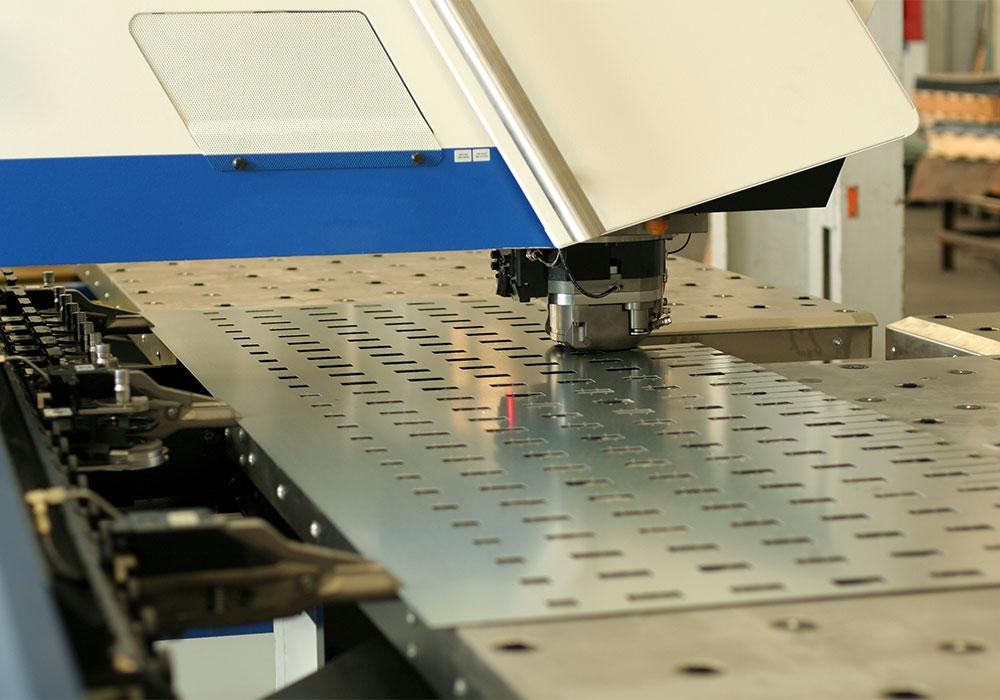
Galling is a persistent challenge in metalworking, especially in steel stamping operations. This form of adhesive wear can lead to tool damage, compromised part quality, and costly downtime. Understanding how to prevent galling in steel stamping is crucial for manufacturers aiming to maintain productivity and extend tool life. By focusing on the right combination of coatings, lubricants, and process controls, it is possible to significantly reduce the risk of galling and improve overall stamping performance.
In this article, we’ll explore practical strategies to minimize adhesive wear in stamping, with a focus on the role of surface treatments and lubrication. We’ll also discuss how process adjustments and proper maintenance can further support your efforts to prevent this issue. For those interested in related topics, you may also want to review best practices for stamping coated steels to avoid surface damage during production.
Understanding Galling in Metal Stamping
Galling occurs when two metal surfaces slide against each other under pressure, causing material transfer and the formation of raised lumps or scoring. In steel stamping, this typically happens between the die and the workpiece, especially when working with stainless or high-strength steels. The result is not only visible damage to the stamped part but also accelerated tool wear.
Several factors contribute to galling, including high contact pressure, insufficient lubrication, poor surface finish, and the inherent adhesive properties of certain steel grades. Recognizing these factors is the first step in developing an effective prevention strategy.
Key Factors That Influence Galling Risk
- Material Type: Stainless steels and high-strength alloys are more prone to adhesive wear due to their chemical composition.
- Surface Finish: Rough or poorly finished tool surfaces increase friction and the likelihood of material transfer.
- Contact Pressure: Excessive force during stamping raises the risk of galling, especially in tight clearances.
- Lubrication: Inadequate or inappropriate lubricants fail to provide a protective barrier between surfaces.
- Tool Coatings: The absence of suitable coatings can leave tools vulnerable to adhesive wear.
Using Coatings to Minimize Adhesive Wear
Applying advanced coatings to stamping tools is one of the most effective ways to reduce galling. These surface treatments create a hard, low-friction barrier that prevents direct metal-to-metal contact. Common options include:
- TiN (Titanium Nitride): Offers excellent hardness and a smooth finish, reducing friction and wear.
- TiCN (Titanium Carbonitride): Provides enhanced lubricity and is ideal for high-strength steels.
- CrN (Chromium Nitride): Delivers corrosion resistance and is suitable for challenging environments.
- Diamond-Like Carbon (DLC): Extremely low friction, ideal for severe applications.
Selecting the right coating depends on the specific material, stamping process, and production volume. Regular inspection of coated tools is also important, as worn coatings can lose effectiveness and lead to renewed galling issues.
Role of Lubricants in Preventing Galling
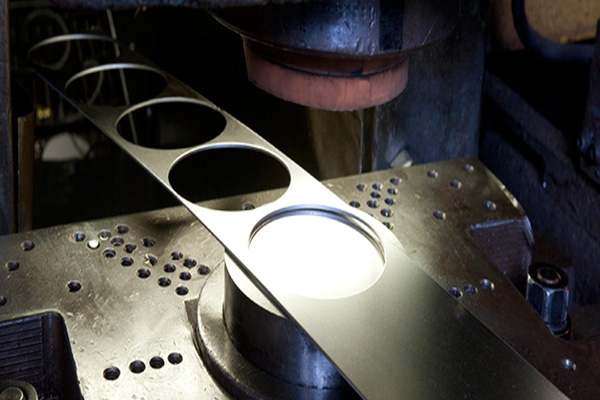
Proper lubrication is essential for reducing friction and forming a protective film between the die and the steel sheet. The right lubricant not only minimizes adhesive wear but also helps dissipate heat and flush away debris. Here are key considerations:
- Type of Lubricant: Oil-based, synthetic, or water-based lubricants each have advantages. High-viscosity oils are often preferred for severe stamping operations.
- Additives: Extreme pressure (EP) and anti-wear additives enhance the performance of lubricants, especially under high loads.
- Application Method: Spraying, rolling, or brushing ensures even coverage. Automated systems can improve consistency and reduce waste.
- Compatibility: Lubricants must be compatible with both the workpiece material and the tool coating to avoid chemical reactions or buildup.
For more guidance on managing lubrication in your facility, see our resource on how to manage lubrication runoff in stamping.
Process Adjustments to Reduce Galling
Beyond coatings and lubricants, process optimization plays a significant role in minimizing galling. Consider the following adjustments:
- Reduce Contact Pressure: Optimize die clearance and stamping force to avoid excessive pressure.
- Improve Surface Finish: Polish tool surfaces to a mirror-like finish to lower friction.
- Control Temperature: Excessive heat can degrade lubricants and increase wear. Use cooling systems or adjust process speed as needed.
- Regular Maintenance: Clean and inspect dies frequently to remove debris and monitor wear.
Quality Control and Operator Training
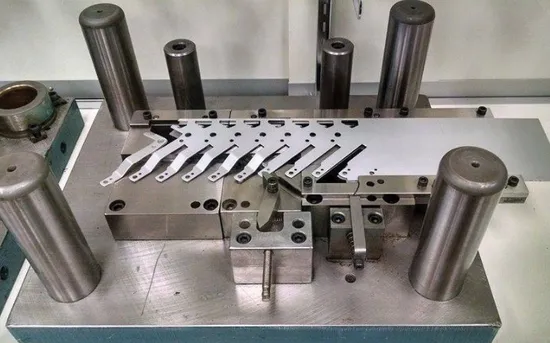
Consistent quality control is vital for early detection of galling and related defects. Implementing in-process inspections, monitoring tool wear, and tracking lubricant application can help catch problems before they escalate. Additionally, well-trained operators are better equipped to recognize early signs of adhesive wear and respond appropriately.
For tips on workforce development, explore our article on how to train operators for steel stamping safety.
Safety and Environmental Considerations
The use of coatings and lubricants in stamping not only affects tool life and product quality but also has implications for workplace safety and environmental compliance. Proper handling and disposal of lubricants, as well as the selection of environmentally friendly products, are important for sustainable operations. For more on this topic, review safety in the metal stamping industry.
Integrating Galling Prevention Into Your Stamping Process
A comprehensive approach to minimizing adhesive wear combines the right coatings, effective lubrication, and process optimization. Regular maintenance and operator training further reinforce these efforts, ensuring long-term success. By staying proactive, manufacturers can reduce downtime, lower costs, and consistently produce high-quality stamped parts.
For those seeking to further refine their operations, our technical guide on steel stamping edge quality optimization offers additional insights into achieving superior results.
Frequently Asked Questions
What is the most effective coating to reduce galling in steel stamping?
The best coating depends on your application, but titanium nitride (TiN), titanium carbonitride (TiCN), and diamond-like carbon (DLC) are widely used for their hardness and low friction properties. These coatings act as a barrier, minimizing direct metal contact and reducing adhesive wear.
How often should lubricants be reapplied during stamping?
Lubricant application frequency varies based on the stamping process, material, and lubricant type. Automated systems can ensure consistent coverage, but it’s important to monitor lubricant levels and reapply as needed to maintain a protective film throughout production.
Can process adjustments alone prevent galling, or are coatings and lubes always necessary?
While process adjustments such as optimizing die clearance and reducing contact pressure can help, coatings and lubricants are typically required for high-strength steels or demanding applications. A combined approach offers the most reliable protection against galling.