
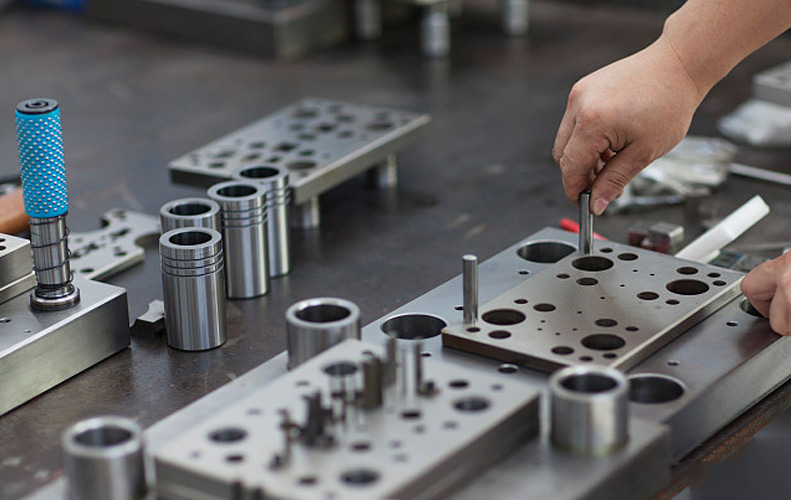
Ensuring the quality and accuracy of stamped steel components is essential for manufacturers and end-users alike. Defective or out-of-spec parts can lead to assembly issues, increased costs, and even safety hazards. A robust inspection process helps catch problems early, maintain consistency, and uphold industry standards. This article provides a practical overview of the main inspection techniques, what to look for, and how to implement effective quality checks for stamped steel parts.
Whether you’re a quality engineer, production manager, or procurement specialist, understanding how to inspect stamped steel parts for quality will help you minimize defects and ensure reliable performance. For those interested in related production techniques, you may also want to review steel stamping cooling methods to further optimize your processes.
Key Inspection Criteria for Stamped Steel Parts
To maintain high standards, it’s important to focus on several critical aspects when evaluating stamped steel components. Here are the main areas to assess:
- Dimensional accuracy: Ensure all measurements—length, width, thickness, hole positions—match the engineering drawings and tolerances.
- Surface finish: Look for scratches, dents, burrs, or other imperfections that could affect assembly or function.
- Forming defects: Watch for warping, cracks, or springback that indicate issues during the stamping process.
- Material integrity: Verify the steel grade and check for signs of contamination, corrosion, or improper hardness.
- Edge quality: Inspect for sharp edges, incomplete cuts, or excessive burrs that could be hazardous or compromise fit.
Each of these criteria plays a role in the final performance of the part. Consistent inspection helps catch problems before they impact downstream processes.
Inspection Methods for Quality Assurance
There are several techniques used to verify the quality and accuracy of stamped steel parts. The choice of method depends on the complexity of the part, production volume, and required tolerances.
Visual Inspection
The simplest and most immediate check is a thorough visual inspection. Trained inspectors look for obvious defects such as surface blemishes, cracks, or misaligned features. Good lighting and magnification tools can help reveal subtle issues.
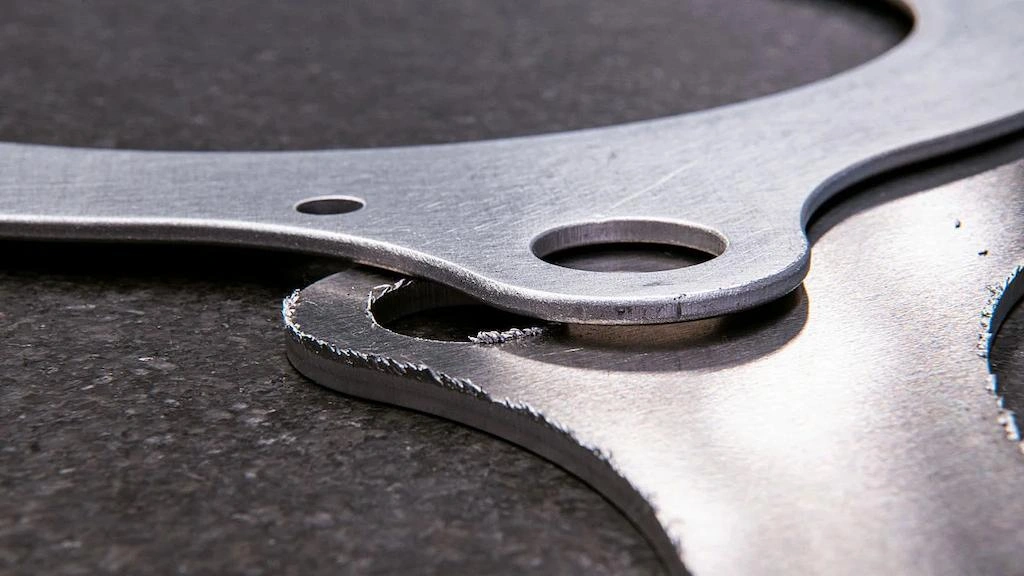
Visual checks are especially effective for identifying burrs, as shown above, and surface flaws that could impact assembly or safety.
Dimensional Measurement
Accurate measurements are crucial for confirming that parts meet design specifications. Common tools include:
- Calipers and micrometers: For measuring thickness, width, and small features.
- Height gauges and coordinate measuring machines (CMMs): For precise dimensional checks and complex geometries.
- Go/no-go gauges: For rapid pass/fail assessment of critical dimensions.
Regular calibration of measurement tools is essential to ensure reliable results. Documenting measurements for traceability is also a best practice.
Surface and Edge Quality Assessment
Surface finish and edge conditions can affect both appearance and function. Inspectors should check for:
- Excessive roughness or pitting
- Sharp or jagged edges
- Residual burrs from the stamping process
When edge defects are detected, additional deburring or secondary operations may be required to meet quality standards.
Advanced Techniques for Ensuring Precision
For high-precision or safety-critical applications, advanced inspection methods are often used alongside basic checks.
Non-Destructive Testing (NDT)
Methods such as dye penetrant, ultrasonic, or magnetic particle inspection can reveal subsurface cracks or material inconsistencies without damaging the part.
Material Verification
Verifying the correct steel grade and properties is vital. Techniques include hardness testing, spectrometry, or chemical analysis. This step ensures that the material meets all required specifications and is suitable for its intended use.
Automated Inspection Systems
In high-volume production, automated vision systems and laser scanners can rapidly check dimensions and surface quality. These systems improve consistency and reduce human error, making them ideal for large batches of stamped components.
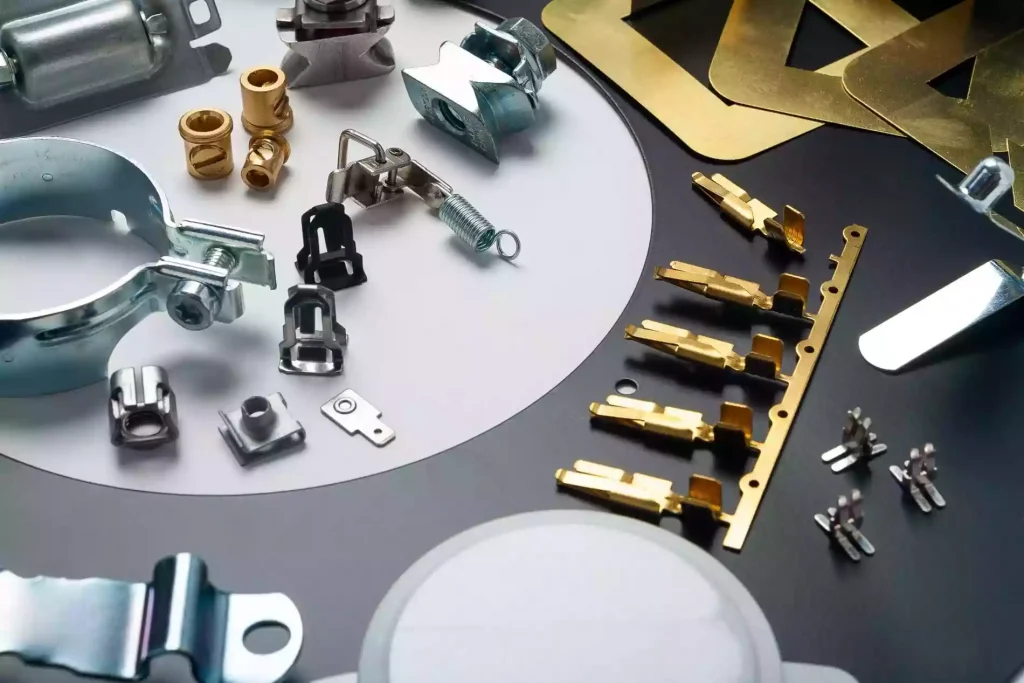
Automated inspection is especially useful for detecting subtle dimensional or surface inconsistencies across thousands of parts.
Common Defects Found in Stamped Steel Parts
Even with robust processes, certain defects are commonly encountered during inspection. Recognizing these issues helps in troubleshooting and process improvement:
- Burrs: Sharp edges or small projections left after cutting or punching.
- Cracks: Often caused by excessive forming force or poor material quality.
- Springback: The tendency of steel to return to its original shape after forming, leading to dimensional inaccuracies.
- Surface scratches or dents: Resulting from handling or tool wear.
- Incorrect hole positions: Due to misaligned tooling or feed errors.
Addressing these defects may require process adjustments, improved tooling, or additional operator training. For more on minimizing waste, see how to reduce scrap in metal stamping.
Best Practices for Reliable Inspection
Implementing a systematic approach to inspection is key to maintaining high standards. Consider these best practices:
- Develop clear inspection checklists based on part drawings and specifications.
- Train inspectors thoroughly on both visual and measurement techniques.
- Use calibrated, well-maintained equipment for all measurements.
- Document inspection results for traceability and continuous improvement.
- Integrate feedback loops to address recurring defects and update processes as needed.
Staying up to date with industry guidelines and safety standards is also vital. For more information on safe production processes, review this resource on safety in steel stamping parts production.
Integrating Inspection with Overall Quality Control
Inspection should not be an isolated step but part of a broader quality management system. By linking inspection data with process controls, manufacturers can identify trends, prevent defects, and optimize production. Consider collaborating with engineering and production teams to address root causes and implement corrective actions.
For projects that require specific material properties, understanding the importance of grain direction in steel stamping can further improve part performance and reliability.
FAQ
What tools are essential for inspecting stamped steel components?
Essential tools include calipers, micrometers, height gauges, go/no-go gauges, and visual inspection aids such as magnifiers. For advanced checks, coordinate measuring machines (CMMs) and automated vision systems are valuable additions.
How often should inspections be performed during production?
Inspection frequency depends on production volume, part complexity, and quality requirements. In most cases, inspections are performed at the start of production, periodically during runs, and on a sample basis for large batches. Critical parts may require 100% inspection.
What are the most common causes of defects in stamped steel parts?
Common causes include worn or misaligned tooling, improper material selection, inadequate lubrication, and incorrect process parameters. Regular maintenance and process monitoring help reduce defect rates.
How can I prevent springback and dimensional inaccuracies?
To minimize springback, optimize forming parameters and consider material properties. For detailed strategies, see how to prevent springback in steel stamping.