
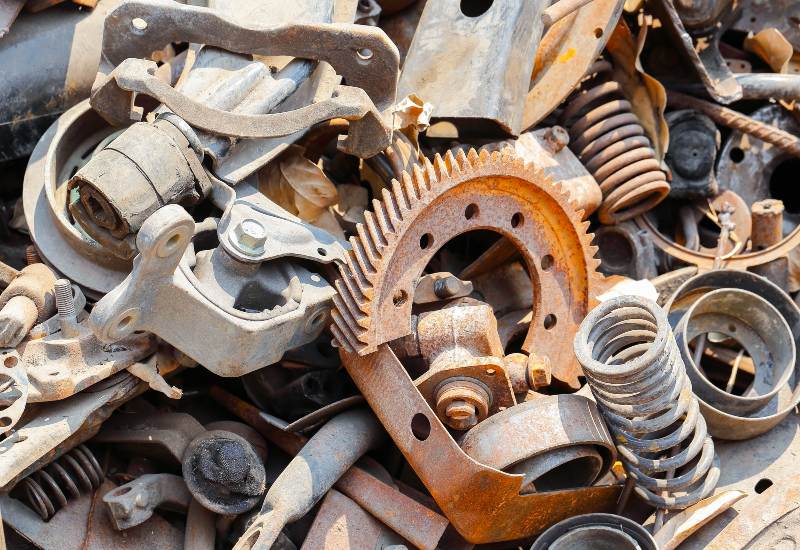
As sustainability becomes a central focus for industries worldwide, manufacturers are under increasing pressure to boost the amount of recycled material in their products. Incorporating more recycled content not only reduces environmental impact but also offers economic and regulatory benefits. However, achieving higher levels of recycled input can be challenging due to quality, supply chain, and technical considerations.
This article explores practical strategies and best practices for manufacturers aiming to enhance the proportion of recycled materials in their operations. We’ll cover sourcing, process optimization, quality management, and the importance of collaboration across the supply chain. For those involved in metalworking, learning about best practices for stamping coated steels can also support efforts to integrate recycled metals without compromising product performance.
Understanding the Importance of Recycled Materials in Industry
The push to use more recycled input in manufacturing is driven by several factors. First, it helps conserve natural resources by reducing the demand for virgin raw materials. Second, it lowers greenhouse gas emissions associated with extraction and processing. Third, many customers and regulatory bodies now require or incentivize products with higher recycled content.
For example, in the metals sector, using recycled steel or aluminum can cut energy consumption by up to 95% compared to primary production. These savings translate into lower operational costs and a smaller carbon footprint. Additionally, companies that prioritize recycled content often enjoy a stronger reputation for environmental responsibility.
Key Strategies for Boosting Recycled Content in Manufacturing
There are several proven approaches to increasing the proportion of recycled materials in industrial processes. The following sections outline actionable steps manufacturers can take to achieve this goal.
1. Strengthen Sourcing and Supplier Partnerships
Reliable access to high-quality recycled feedstock is essential. Manufacturers should build relationships with reputable recyclers and material suppliers who can provide consistent, certified recycled inputs. This may involve:
- Establishing long-term contracts with scrap processors or recycling facilities
- Participating in closed-loop supply chains where post-consumer or post-industrial waste is collected and reintroduced into production
- Auditing suppliers to verify recycled content claims and material traceability
By collaborating with upstream partners, manufacturers can secure a steady flow of recycled resources and ensure compliance with industry standards.

2. Optimize Processing Techniques for Recycled Inputs
Integrating more recycled material often requires adjustments to manufacturing processes. For instance, recycled metals may have different melting points or impurity levels compared to virgin materials. To address these challenges:
- Invest in equipment upgrades, such as advanced shredders or sorters, to improve the quality and consistency of recycled feedstock
- Modify process parameters (e.g., temperature, pressure, mixing times) to accommodate the properties of recycled materials
- Implement robust quality control protocols to detect and manage contaminants
Manufacturers can also benefit from adopting steel stamping edge quality optimization techniques, which help maintain product integrity when using recycled metals.
3. Design Products with Recyclability and Recycled Content in Mind
Product design plays a crucial role in determining how much recycled material can be used. By considering recyclability and recycled content during the design phase, manufacturers can:
- Select materials and components that are readily available in recycled form
- Minimize the use of coatings or additives that hinder recycling
- Design for disassembly, making it easier to recover and reuse materials at end-of-life
These strategies not only support higher recycled content but also facilitate future recycling efforts, creating a more circular manufacturing system.
Quality Assurance and Certification for Recycled Materials
Ensuring the quality and traceability of recycled inputs is vital for maintaining product standards and meeting customer expectations. Manufacturers should implement rigorous quality checks, including:
- Material testing to confirm composition and performance
- Supplier audits and documentation reviews
- Third-party certifications (such as ISO 14021 or UL Environment) to validate recycled content claims
Transparent reporting and labeling can further enhance trust with customers and regulatory agencies.

Overcoming Common Challenges in Increasing Recycled Content
While the benefits of using more recycled material are clear, manufacturers often face obstacles such as inconsistent supply, variable quality, and higher processing costs. Addressing these challenges requires a combination of technical innovation, supply chain collaboration, and continuous improvement.
- Supply chain management: Develop multiple sourcing options and maintain strong relationships with recyclers to reduce the risk of shortages.
- Process innovation: Invest in R&D to improve the compatibility of recycled materials with existing manufacturing systems.
- Employee training: Educate staff on the unique properties of recycled inputs and best practices for handling them. For example, how to train operators for steel stamping safety is essential when introducing new materials.
By proactively addressing these issues, companies can steadily increase the recycled content in their products without sacrificing quality or efficiency.
Environmental and Economic Benefits of Using More Recycled Materials
Increasing the proportion of recycled input in manufacturing delivers significant environmental gains, including reduced landfill waste, lower emissions, and conservation of finite resources. From an economic perspective, using recycled feedstock can lead to cost savings, especially when raw material prices are volatile.
For a deeper understanding of the positive impacts, review this comprehensive overview of metal recycling benefits, which details how recycling supports both business and environmental goals.
Integrating Recycled Content: Best Practices and Next Steps
Manufacturers looking to maximize recycled input should take a holistic approach, combining sourcing, process optimization, product design, and quality assurance. Key recommendations include:
- Engage with suppliers and recyclers to secure reliable, high-quality recycled materials
- Continuously monitor and improve production processes to accommodate recycled feedstock
- Invest in employee training and technology upgrades
- Communicate transparently with customers about recycled content and sustainability initiatives
By following these guidelines, companies can not only meet regulatory and market demands but also position themselves as leaders in sustainable manufacturing.
Frequently Asked Questions
What are the main benefits of increasing recycled content in manufacturing?
Using more recycled material helps conserve natural resources, reduce greenhouse gas emissions, and lower production costs. It also enhances a company’s reputation for sustainability and can help meet regulatory or customer requirements.
How can manufacturers ensure the quality of recycled materials?
Quality assurance involves working with trusted suppliers, conducting regular material testing, and seeking third-party certifications. Implementing strict quality control protocols throughout the supply chain is essential to maintain product standards.
What challenges might companies face when increasing recycled input?
Common obstacles include inconsistent supply, variable material quality, and the need for process adjustments. Overcoming these challenges requires strong supplier relationships, investment in technology, and ongoing employee training.