

Increasing the effectiveness of recycling operations is a top priority for metal processing facilities. As global demand for metals rises and sustainability standards tighten, optimizing how materials are recovered, sorted, and reused is essential for both environmental and economic reasons. This article provides a practical overview of strategies and technologies that can help metal plants boost their recycling rates, reduce waste, and operate more sustainably.
By focusing on process improvements, equipment upgrades, and workforce training, facilities can significantly enhance their resource recovery. For those interested in related process optimization, exploring steel stamping edge quality optimization can provide additional insights into maximizing production quality and minimizing material loss.
Understanding the Importance of Efficient Metal Recycling
Efficient recycling in metal plants is not just about environmental stewardship. It also directly impacts operational costs, resource availability, and compliance with industry regulations. When facilities focus on how to improve recycling efficiency, they can:
- Reduce raw material expenses by maximizing recovery of reusable metals
- Lower energy consumption and greenhouse gas emissions
- Minimize landfill use and associated disposal costs
- Meet or exceed regulatory requirements for waste management
- Enhance their reputation with customers and stakeholders
The drive for higher efficiency is also fueled by the increasing complexity of scrap streams and the need to separate various alloys with precision. This makes it vital for plants to continually evaluate and upgrade their recycling processes.
Key Strategies for Boosting Recycling Performance
There are several proven approaches to increase the efficiency of recycling operations in metal facilities. These range from adopting advanced sorting technologies to streamlining workflows and investing in staff training.
Adopting Advanced Sorting and Separation Technologies
Modern sorting systems, such as sensor-based sorters and eddy current separators, can dramatically improve the purity and value of recovered metals. These systems use technologies like X-ray fluorescence (XRF), near-infrared (NIR) sensors, and magnetic separation to distinguish between different metals and contaminants.
For example, using automated sorting equipment can help plants separate ferrous from non-ferrous metals more accurately, reducing contamination and increasing the resale value of recycled materials. Upgrading to such systems is a key step for facilities looking to enhance their recycling efficiency.

Optimizing Material Flow and Plant Layout
The physical arrangement of equipment and material pathways can have a significant impact on throughput and resource recovery. Streamlining the flow of scrap from collection to processing minimizes handling time, reduces material loss, and helps prevent cross-contamination.
Plants should regularly review their layouts and consider implementing lean manufacturing principles to eliminate bottlenecks. This might involve repositioning conveyors, installing additional collection bins, or reorganizing storage areas to keep materials moving efficiently.
Investing in Employee Training and Safety
Well-trained staff are essential for maintaining high standards of recycling performance. Employees should be familiar with the latest sorting procedures, machine operation protocols, and safety requirements. Ongoing training ensures that workers can quickly identify and resolve issues that might otherwise lead to inefficiencies or equipment downtime.
For further insights into workforce development, consider reviewing guidance on how to train operators for steel stamping safety, which offers practical tips for building a culture of safety and efficiency in industrial environments.
Technology Upgrades for Greater Resource Recovery
As the industry evolves, new equipment and digital tools are transforming how facilities manage and process scrap. Investing in these upgrades can yield substantial gains in both productivity and material recovery.
Automated Shredding and Pre-Processing Equipment
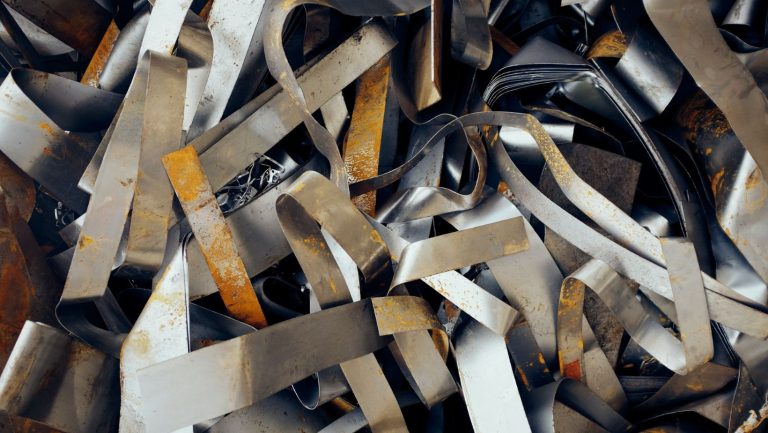
Shredders and pre-processing machines break down bulky scrap into smaller, more manageable pieces, making downstream sorting more effective. Automated systems can handle a wider range of materials and operate continuously, reducing manual labor and increasing throughput.
Data-Driven Process Monitoring
Integrating sensors and digital monitoring systems allows plants to track key performance indicators in real time. By analyzing data on material flow, equipment uptime, and recovery rates, managers can quickly identify inefficiencies and implement targeted improvements.
Predictive maintenance tools can also help reduce unplanned downtime, ensuring that critical recycling equipment remains operational and efficient.
Reducing Contamination and Improving Output Quality
One of the most significant challenges in metal recycling is minimizing contamination in recovered materials. Even small amounts of foreign substances can reduce the value of recycled metals and limit their usability in new products.
- Implement strict sorting protocols at the collection stage
- Use advanced detection systems to identify and remove contaminants
- Educate suppliers and staff about the importance of clean scrap streams
- Regularly audit output quality to ensure compliance with customer specifications
By focusing on these measures, facilities can consistently produce higher-quality recycled metals, strengthening their position in the marketplace.
Industry Best Practices and Resources
Staying informed about the latest developments in recycling technology and process management is crucial for ongoing improvement. Industry publications, technical guides, and case studies offer valuable insights into what works for leading facilities.
For example, this overview of innovative metal recycling techniques highlights emerging trends and technologies that are shaping the future of the sector.
Additionally, reviewing best practices for stamping coated steels can help facilities understand how upstream processes impact recycling outcomes and material quality.
Frequently Asked Questions
What are the main benefits of improving recycling efficiency in metal plants?
Enhancing efficiency leads to lower operational costs, reduced environmental impact, and better compliance with regulations. It also increases the value of recovered metals and helps facilities remain competitive.
Which technologies have the biggest impact on recycling performance?
Automated sorting systems, shredders, and digital monitoring tools are among the most effective upgrades. These technologies improve material separation, reduce contamination, and enable real-time process optimization.
How can contamination in recycled metals be minimized?
Implementing strict sorting protocols, using advanced detection equipment, and providing regular training for staff and suppliers are key steps. Regular audits and feedback loops also help maintain high output quality.
Conclusion
Improving how metal plants recycle materials is a continuous process that involves technology, workflow optimization, and workforce engagement. By adopting advanced equipment, streamlining operations, and prioritizing quality control, facilities can achieve higher recovery rates and support a more sustainable industry. Staying informed about best practices and new developments will ensure ongoing progress and long-term success.