
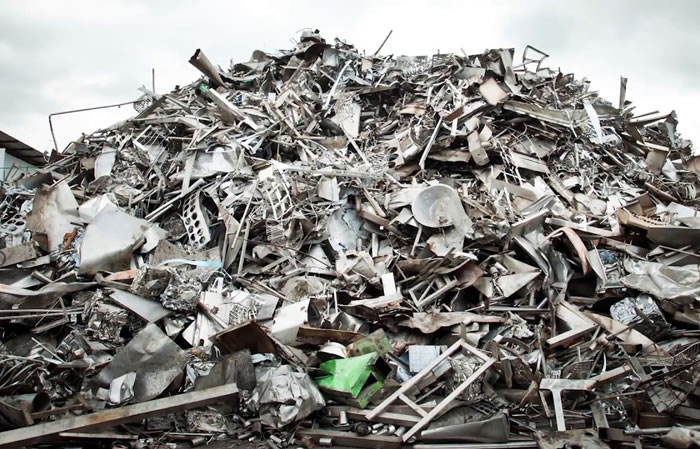
Effective worker education on recycling is essential for any facility handling metals. Not only does it help reduce waste and environmental impact, but it also ensures compliance with regulations and can even improve operational efficiency. By providing clear guidance and practical training, organizations can empower their teams to participate actively in sustainable practices.
This guide explores proven strategies for teaching employees about proper metal recycling, from foundational knowledge to hands-on procedures. Whether you manage a manufacturing plant, fabrication shop, or a facility with significant metal use, building a culture of responsible recycling starts with informed staff.
For those involved in metalworking, understanding related processes can further enhance safety and efficiency. For example, reviewing how to train operators for steel stamping safety can provide valuable context for integrating recycling with other workplace protocols.
Why Worker Training on Metal Recycling Matters
Educating employees about recycling metals is more than just a compliance requirement. It directly impacts environmental stewardship, cost savings, and workplace safety. When workers know how to sort, store, and process scrap correctly, contamination is minimized and valuable materials are recovered efficiently.
- Environmental Impact: Proper recycling reduces landfill waste and conserves natural resources.
- Cost Efficiency: Recovered metals can be sold or reused, offsetting material costs.
- Regulatory Compliance: Many regions require specific recycling practices for metals.
- Workplace Safety: Well-trained staff are less likely to mishandle sharp or hazardous scrap.
Key Elements of a Successful Recycling Education Program
To maximize the effectiveness of your training, focus on these core components:
1. Clear Communication of Recycling Goals
Start by outlining the objectives of your recycling initiative. Make sure every team member understands why recycling metals is important for the organization and the environment. Use signage, meetings, and digital resources to reinforce these goals.
2. Practical Demonstrations and Hands-On Training
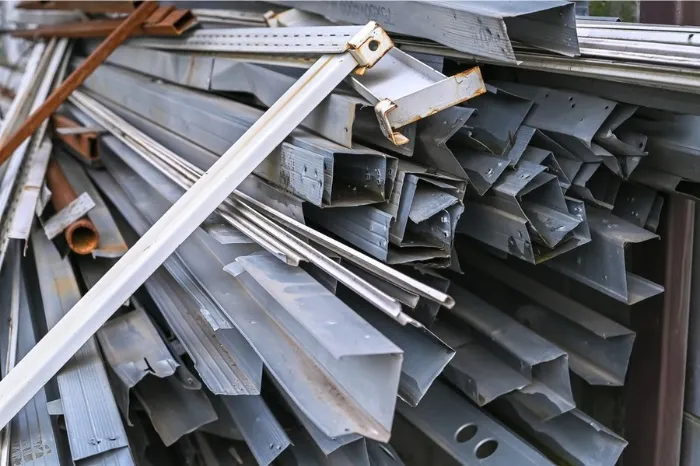
Show employees how to identify, sort, and handle different types of metals. Demonstrations should cover:
- Distinguishing between ferrous and non-ferrous metals
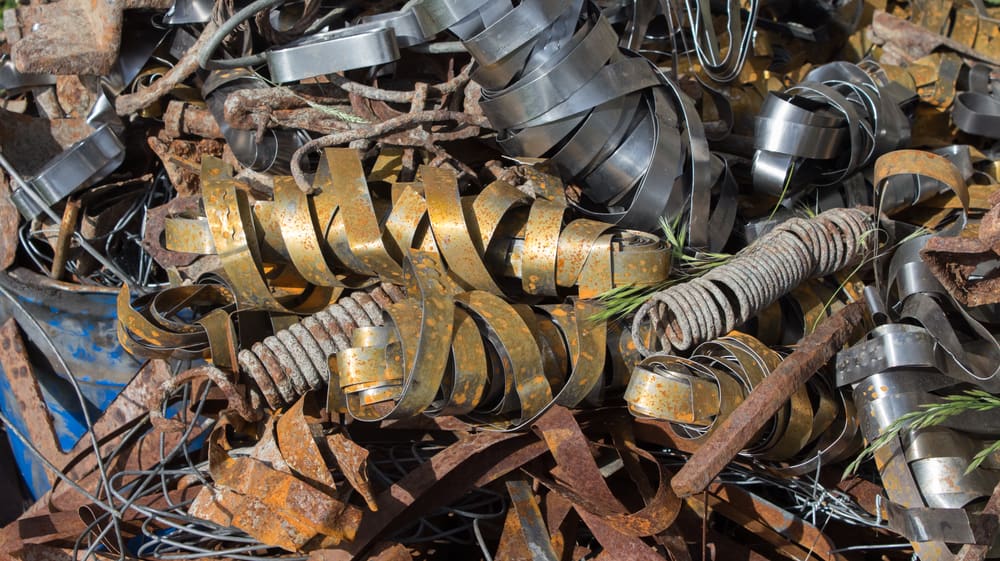
- Recognizing contaminated or hazardous scrap
- Proper use of recycling bins and storage areas
- Safe handling procedures for sharp or heavy materials
3. Accessible Reference Materials
Provide easy-to-understand guides, charts, or posters that workers can consult at any time. Visual aids showing different metal types, recycling symbols, and sorting instructions help reinforce training and reduce mistakes.
4. Ongoing Support and Feedback
Encourage employees to ask questions and provide feedback on recycling processes. Regular refresher sessions and open communication channels ensure that everyone stays up to date with best practices and any changes in procedures.
Integrating Recycling Education into Daily Operations
Embedding recycling knowledge into everyday routines makes sustainable practices second nature. Consider these approaches:
- Onboarding: Include recycling training as part of new employee orientation.
- Regular Updates: Hold periodic meetings to review recycling targets and address challenges.
- Visible Reminders: Place labeled containers and instructional signage in key work areas.
- Recognition: Acknowledge teams or individuals who excel in recycling efforts.
Integrating recycling education with other operational training, such as best practices for stamping coated steels, can further reinforce the importance of proper material handling throughout the facility.
Common Challenges and How to Overcome Them
Even with a strong training program, obstacles can arise. Here are some typical issues and practical solutions:
- Lack of Awareness: Some workers may not realize the importance of recycling. Address this by sharing facts about environmental and financial benefits.
- Confusion Over Sorting: Unclear instructions can lead to contamination. Use color-coded bins and clear signage to simplify sorting.
- Time Constraints: Employees may feel recycling slows down their workflow. Streamline processes and place recycling stations in convenient locations.
- Safety Concerns: Handling scrap metal can be hazardous. Provide PPE and emphasize safe handling in all training sessions.
Resources for Further Learning
To deepen your team’s understanding, consider providing access to reputable industry resources. For a comprehensive overview of recycling processes, this introduction to metal recycling covers essential concepts and current trends.
Additionally, reviewing technical guides such as steel stamping edge quality optimization can help workers see the connection between quality control and recycling outcomes.
Measuring the Impact of Your Training Program
Tracking progress is crucial for continuous improvement. Use these methods to evaluate the effectiveness of your recycling education efforts:
- Monitor Recycling Rates: Compare the volume of recycled metals before and after training.
- Audit Sorting Accuracy: Check for contamination or improper sorting in recycling bins.
- Gather Employee Feedback: Use surveys or suggestion boxes to identify areas for improvement.
- Review Incident Reports: Assess whether safety incidents related to scrap handling have decreased.
Regularly updating your training materials and incorporating feedback ensures that your program remains relevant and effective.
Frequently Asked Questions
What are the most important topics to cover when training workers on metal recycling?
Focus on identifying different metal types, proper sorting and storage, safety procedures, and the environmental and economic benefits of recycling. Providing practical demonstrations and accessible reference materials is also key.
How can I encourage employees to participate in recycling efforts?
Make recycling easy and convenient by placing bins in accessible locations, using clear signage, and recognizing employees or teams who excel in recycling. Regular communication about goals and progress helps maintain engagement.
What resources are available for learning more about metal recycling?
Industry guides, online articles, and training materials from reputable sources offer valuable insights. For example, an introduction to metal recycling provides a thorough overview for both beginners and experienced professionals.
How often should recycling training be updated?
Review and update your training program at least annually, or whenever there are significant changes in regulations, processes, or equipment. Regular refreshers help keep knowledge current and address any new challenges.
By prioritizing ongoing education and making recycling a visible part of daily operations, organizations can foster a culture of sustainability and responsibility among their workforce.