
Surface quality is a critical factor in metal stamping, especially when producing steel parts for industries where appearance and performance matter. One common issue that manufacturers face is the orange peel defect—a surface irregularity that resembles the skin of an orange. This guide explores how to address orange peel defects in stamping, covering root causes, prevention strategies, and effective solutions for maintaining optimal finish quality.
Understanding and mitigating orange peel issues not only improves product aesthetics but also enhances downstream processes such as painting or coating. For those working with coated steels, following best practices for stamping coated steels can further reduce the risk of surface defects and ensure consistent results.

What Is Orange Peel in Steel Stamping?
Orange peel is a surface defect characterized by a bumpy, uneven texture that visually and tactilely resembles the skin of an orange. In steel stamping, this flaw can compromise both the appearance and the functional integrity of the finished part. It typically becomes visible after forming and is especially problematic for components that require painting or a high-quality finish.
The occurrence of orange peel is often linked to the microstructure of the steel, the forming process, and the condition of the stamping dies. Recognizing the warning signs early allows manufacturers to implement corrective actions before defects propagate through an entire production run.
Common Causes of Orange Peel Defects
To effectively tackle how to address orange peel defects in stamping, it’s essential to understand the underlying causes. The most frequent contributors include:
- Material Grain Size: Large or uneven grains in the steel can lead to non-uniform deformation, resulting in surface roughness.
- Improper Lubrication: Insufficient or uneven lubrication during stamping increases friction and surface imperfections.
- Die Surface Condition: Worn, damaged, or poorly finished dies can transfer irregularities onto the steel surface.
- Excessive Deformation: Over-stretching or aggressive forming parameters can amplify microstructural inconsistencies, making orange peel more likely.
- Inadequate Annealing: Improper heat treatment can leave the steel with a coarse grain structure, increasing susceptibility to surface defects.
How to Prevent Orange Peel in Stamped Steel Parts
Prevention is always preferable to correction. Here are several strategies to minimize the risk of orange peel during the stamping process:
- Use Fine-Grained Steel: Selecting materials with a refined grain structure helps ensure uniform deformation and a smoother finish.
- Optimize Lubrication: Apply consistent, high-quality lubricants to reduce friction and promote even metal flow.
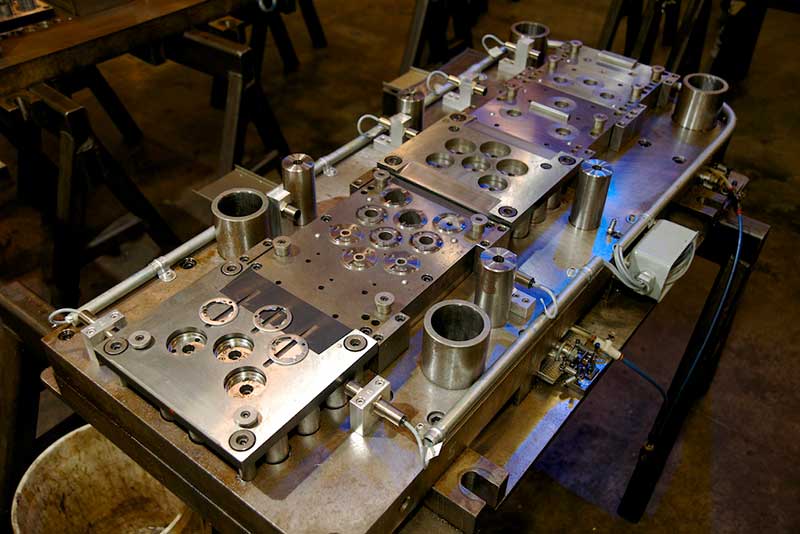
- Maintain Die Surfaces: Regularly polish and inspect dies to eliminate scratches, pits, or other surface flaws that could transfer to the part.
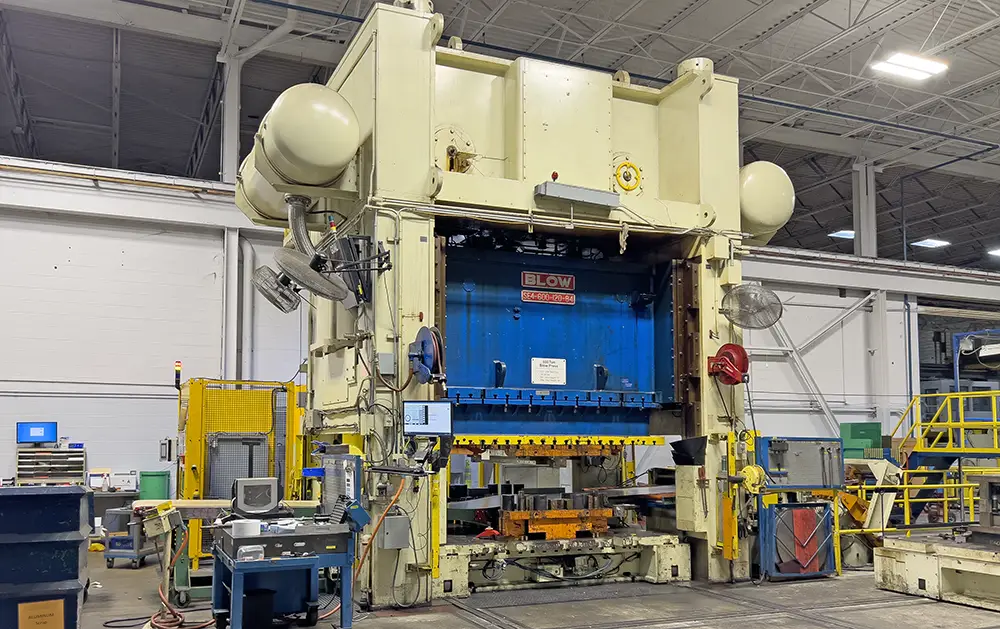
- Control Forming Parameters: Adjust press speed, pressure, and stroke to avoid excessive stretching or thinning of the material.
- Proper Heat Treatment: Ensure steel is adequately annealed to achieve the desired microstructure before stamping.
For those looking to further optimize their operations, reviewing guidance on how to optimize stamping press counterbalance can help maintain consistent force and reduce the risk of defects.
Diagnosing and Correcting Orange Peel Issues
Even with robust prevention strategies, surface defects can still occur. Addressing orange peel in stamped steel involves a systematic approach to diagnosis and remediation:
- Inspect the Material: Examine the grain size and uniformity of incoming steel. If issues are found, consider sourcing from a different supplier or requesting a finer grain specification.
- Review Die Condition: Check for wear, damage, or contamination on die surfaces. Re-polish or repair as needed to restore a smooth finish.
- Analyze Forming Parameters: Evaluate press settings such as speed, force, and lubrication application. Adjust to reduce excessive deformation or friction.
- Test Lubricants: Experiment with alternative lubricants or application methods to ensure even coverage and optimal performance.
- Assess Heat Treatment: If coarse grains are detected, review annealing cycles and adjust to achieve a more refined microstructure.
Documenting each step and maintaining a record of corrective actions can help identify recurring patterns and prevent future occurrences. For complex cases, collaborating with material suppliers or metallurgical experts may yield additional insights.
Best Practices for Consistent Surface Quality
Maintaining high standards in steel stamping requires a holistic approach. Here are some best practices to ensure consistent surface quality and minimize orange peel:
- Implement Regular Quality Checks: Use surface roughness testers and visual inspections at multiple stages of production.
- Train Operators: Ensure staff are familiar with the signs of orange peel and understand how to adjust process variables.
- Standardize Procedures: Develop and enforce standard operating procedures for die maintenance, lubrication, and material handling.
- Leverage Technology: Consider integrating sensors or AI-driven monitoring systems to detect surface defects in real time. For more on this, see the role of artificial intelligence in stamping optimization.
- Collaborate with Suppliers: Work closely with steel providers to specify and verify material properties that reduce the risk of surface flaws.
Additional Tips for Reducing Surface Defects
Beyond the core strategies, consider these supplementary tips to further reduce the likelihood of orange peel and related surface issues:
- Monitor Environmental Conditions: Temperature and humidity in the stamping area can affect lubrication and material behavior.
- Use Consistent Material Lots: Mixing steel from different batches can introduce variability in grain size and composition.
- Invest in Advanced Tooling: High-precision dies and presses with tight tolerances help maintain uniformity throughout the stamping process.
- Stay Updated on Industry Standards: Regularly review technical publications and attend workshops to keep abreast of new developments in stamping technology.
For those working with carbon steel, following best practices for stamping carbon steel can further improve outcomes and reduce defect rates.
Safety Considerations in Metal Stamping
While focusing on surface quality, it’s important not to overlook safety. Operators should always follow established safety protocols to prevent accidents and injuries. For a comprehensive overview of safety measures, refer to metal stamping safety guidelines that detail best practices for equipment use, personal protective equipment, and emergency procedures.
Frequently Asked Questions
What is the primary cause of orange peel in stamped steel parts?
The most common cause is coarse or uneven grain size in the steel, which leads to non-uniform deformation during stamping. Other factors such as die condition, lubrication, and forming parameters can also contribute.
Can orange peel defects be fixed after stamping?
Minor surface irregularities may be improved with secondary finishing processes like polishing or buffing. However, severe orange peel often requires addressing the root cause in the stamping process to prevent recurrence.
How can I ensure my stamping process consistently produces smooth surfaces?
Use fine-grained steel, maintain die surfaces, apply proper lubrication, and monitor forming parameters. Regular quality checks and operator training are also essential for consistent results.