
Metal recycling is a vital part of the circular economy, helping industries conserve resources and reduce environmental impact. As demand for recycled metals grows, facilities are turning to advanced technologies to optimize their operations. Among these innovations, smart sensors are transforming how scrap is sorted, processed, and monitored. Understanding how smart sensors improve metal recycling can help businesses and environmental professionals make informed decisions about upgrading their systems.
Modern recycling plants face challenges such as accurately identifying different metal types, minimizing contamination, and maximizing recovery rates. By integrating sensor-based solutions, facilities can achieve higher efficiency, better quality control, and reduced operational costs. For those interested in optimizing related processes, exploring how to optimize scrap chute angles can further enhance material flow and productivity in steel stamping and recycling environments.
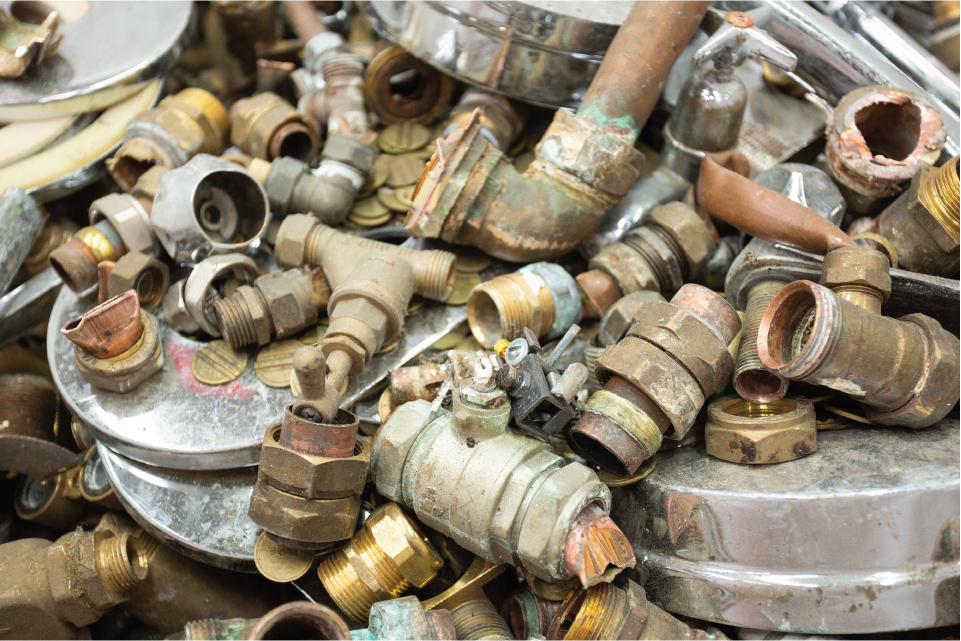
Key Roles of Smart Sensors in Scrap Metal Sorting
One of the most significant advancements in recycling is the use of sensor-based sorting systems. Traditional methods often rely on manual labor or basic magnetic separation, which can be slow and prone to errors. Smart sensors, however, use technologies such as X-ray fluorescence (XRF), near-infrared (NIR) spectroscopy, and induction sorting to rapidly and accurately identify metals.
These sensors can distinguish between ferrous and non-ferrous metals, detect alloys, and even identify coatings or contaminants. This level of precision ensures that materials are sorted correctly, reducing the risk of cross-contamination and improving the overall quality of recycled output.
- XRF sensors analyze the elemental composition of metals, making them ideal for separating aluminum, copper, brass, and stainless steel.
- NIR sensors are effective for identifying plastics and coatings that may be attached to metal scrap.
- Induction sensors detect the presence of conductive materials, helping to separate metals from non-metallic waste.
Enhancing Process Efficiency with Real-Time Data
A major benefit of implementing smart sensors is the ability to collect and analyze real-time data throughout the recycling process. Sensors monitor conveyor belts, shredders, and sorting machines, providing instant feedback on material flow, composition, and throughput. This data-driven approach allows operators to make quick adjustments, minimizing downtime and maximizing recovery rates.
For example, if a sensor detects an unusual amount of contamination in a batch, the system can automatically divert the material for further cleaning or reprocessing. This proactive response helps maintain high standards and reduces waste.
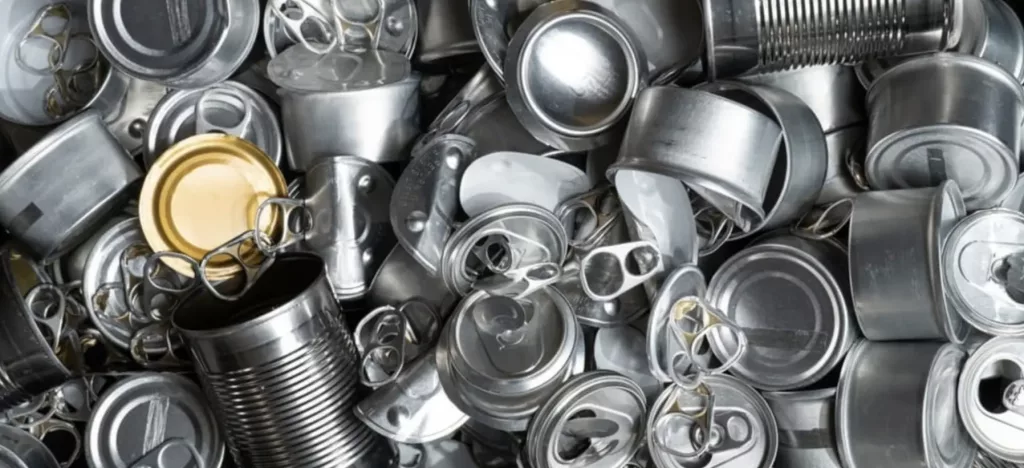
Reducing Environmental Impact Through Precision
The environmental benefits of smart sensor technology extend beyond improved sorting. By increasing the purity of recycled metals, these systems help reduce the need for virgin material extraction, which is energy-intensive and polluting. Efficient sorting also means less material ends up in landfills, contributing to a more sustainable waste management cycle.
Additionally, sensors can monitor emissions and energy consumption within the plant, enabling operators to identify inefficiencies and implement corrective measures. This holistic approach not only supports environmental goals but can also lead to cost savings over time.
Applications Across Different Metal Types
Smart sensors are versatile and can be adapted to handle a wide range of metals, from common materials like steel and aluminum to specialty alloys. In the automotive industry, for example, sensor-based sorting ensures that valuable metals are recovered from end-of-life vehicles with minimal contamination.
For more information on how various recycled metals are utilized in manufacturing and construction, see this overview of recycled scrap metal applications.
In electronics recycling, sensors help separate precious metals from circuit boards, maximizing recovery and supporting the responsible disposal of e-waste. The adaptability of these technologies makes them essential for modern recycling operations.
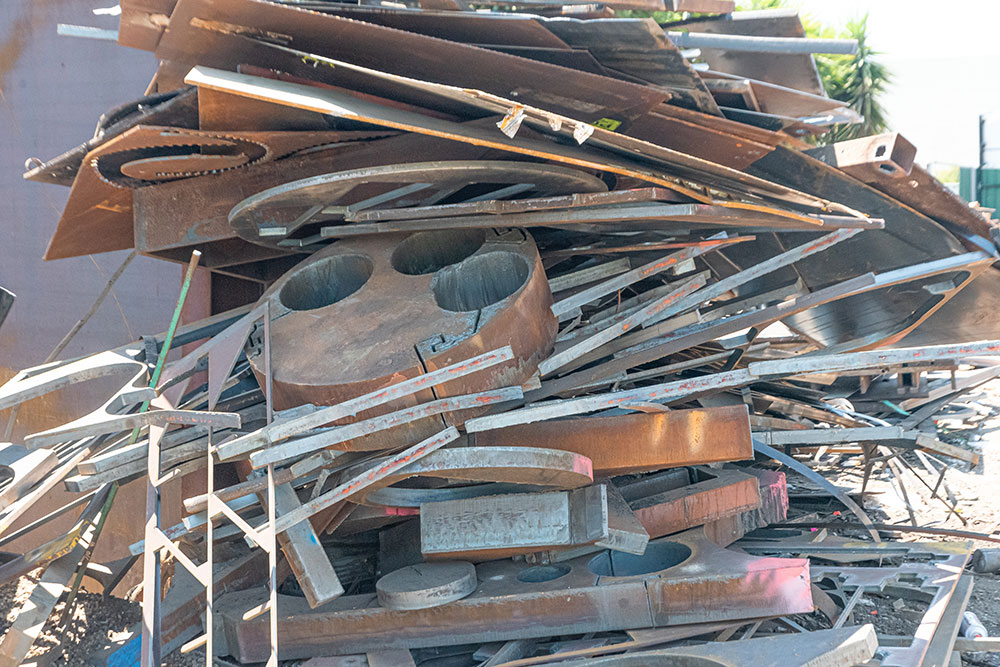
Integrating Sensors with Automated Systems
The true potential of smart sensors is realized when they are integrated with automated machinery and digital platforms. Conveyor belts, shredders, and balers equipped with sensor arrays can operate with minimal human intervention, increasing throughput and consistency. Data from these sensors can be fed into plant management software, enabling predictive maintenance and process optimization.
Facilities that combine sensor technology with automation often see significant improvements in safety as well. By reducing manual handling and exposure to hazardous materials, worker injuries can be minimized. For those involved in steel stamping, understanding steel stamping material yield strength considerations can further enhance the integration of recycling and manufacturing processes.
Challenges and Considerations When Adopting Smart Sensors
While the advantages are clear, there are important factors to consider before implementing sensor-based systems. Initial investment costs can be significant, particularly for facilities upgrading from manual or semi-automated processes. Staff may require training to operate and maintain new equipment, and ongoing calibration is essential to ensure accuracy.
Compatibility with existing infrastructure should also be evaluated. Some older plants may need modifications to accommodate sensor arrays or automated sorting lines. However, the long-term benefits—higher recovery rates, improved quality, and operational savings—often justify the investment.
Future Trends in Sensor-Driven Metal Recycling
As technology evolves, the capabilities of smart sensors continue to expand. Machine learning and artificial intelligence are being integrated to enhance sorting algorithms, allowing systems to adapt to new materials and changing waste streams. Cloud-based analytics platforms enable remote monitoring and benchmarking across multiple facilities.
These advancements are likely to make sensor-driven recycling even more accessible and effective, supporting global efforts to reduce waste and promote resource efficiency. For those seeking to stay ahead, keeping up with best practices for stamping coated steels and related innovations can provide a competitive edge.
Frequently Asked Questions
What types of smart sensors are most commonly used in metal recycling?
The most widely used sensors include X-ray fluorescence (XRF) for elemental analysis, near-infrared (NIR) for identifying coatings and plastics, and induction sensors for detecting conductive materials. Each type serves a specific purpose in sorting and quality control.
How do smart sensors help reduce contamination in recycled metals?
By accurately identifying and separating different metals and contaminants, sensor-based systems minimize the risk of cross-contamination. This leads to higher purity in recycled materials and better compliance with industry standards.
Are smart sensors cost-effective for small recycling facilities?
While the initial investment can be high, many facilities find that increased efficiency, reduced labor costs, and improved material quality lead to a strong return on investment over time. Smaller plants may benefit from modular sensor solutions that can be scaled as needed.
Conclusion
The integration of smart sensors is reshaping the metal recycling industry. By enabling precise sorting, real-time monitoring, and seamless automation, these technologies help facilities achieve higher efficiency, better quality, and greater sustainability. As new advancements emerge, staying informed about how smart sensors improve metal recycling will be essential for businesses aiming to lead in resource recovery and environmental stewardship.