
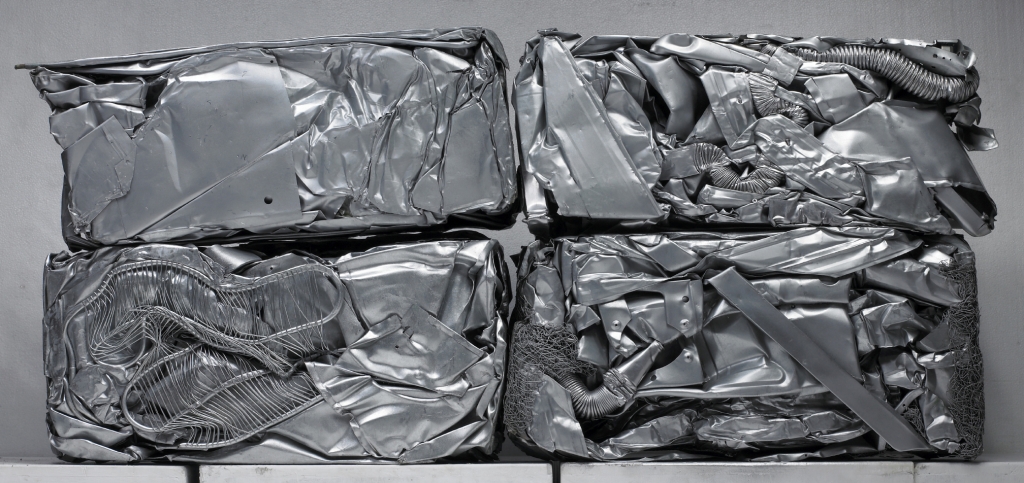
Understanding the relationship between recycling and manufacturing expenses is crucial for businesses aiming to remain competitive and sustainable. The process of reusing materials, especially metals, can significantly influence the bottom line for manufacturers. By examining the economic impact of recycling, companies can make informed decisions about resource management, operational efficiency, and long-term profitability.
This article explores the ways in which recycling shapes the cost structure of industrial production, focusing on metals and related materials. We’ll look at the direct and indirect effects, from raw material savings to energy consumption and waste management. For those interested in optimizing their metalworking operations, insights on best practices for stamping coated steels can further enhance efficiency and cost-effectiveness.
The Economic Benefits of Recycling in Manufacturing
One of the most significant advantages of recycling for manufacturers is the reduction in raw material expenses. Using recycled inputs often costs less than sourcing and processing virgin materials. For example, producing aluminum from scrap requires up to 95% less energy than creating it from bauxite ore. This dramatic energy saving translates directly into lower production costs.
Additionally, recycling helps stabilize material prices. As global demand for metals fluctuates, access to a steady supply of recycled materials can shield manufacturers from volatile commodity markets. This stability is especially valuable for sectors that rely heavily on metals, such as automotive, construction, and electronics.
How Recycled Materials Influence Operational Costs
Incorporating recycled content into manufacturing processes can lead to substantial operational savings. These savings come from several areas:
- Lower Energy Consumption: Recycled metals melt at lower temperatures, reducing fuel and electricity costs.
- Reduced Waste Disposal Fees: By diverting scrap from landfills, companies avoid expensive disposal charges and may even generate revenue by selling valuable recyclables.
- Decreased Transportation Costs: Sourcing recycled materials locally can cut down on shipping expenses compared to importing raw materials.

Comparing Recycled and Virgin Material Costs
The price difference between recycled and virgin materials is often substantial. For instance, steel made from recycled scrap can be produced at a lower cost due to savings on raw materials and energy. According to industry data, using recycled steel can reduce overall production expenses by up to 40%.
However, the cost benefits depend on the quality and availability of recycled inputs. High-grade scrap is sometimes limited, and additional processing may be required to meet specific manufacturing standards. Despite these challenges, the overall trend favors recycling as a cost-effective alternative to traditional sourcing.
Environmental and Regulatory Impacts on Cost Structure
Environmental regulations increasingly influence how companies manage their production costs. Many regions offer tax incentives, grants, or credits to businesses that incorporate recycled materials or invest in recycling technology. These financial incentives can offset initial investments in equipment or process changes.
Moreover, stricter waste disposal laws and landfill taxes make recycling an attractive option for reducing compliance costs. By minimizing landfill use and hazardous waste, manufacturers can avoid penalties and improve their environmental footprint, which is increasingly important for brand reputation and customer trust.
Types of Metals and Their Recycling Value
Not all metals offer the same cost savings when recycled. Aluminum, copper, and steel are among the most valuable and widely recycled materials. Each has unique properties that affect how much recycling can lower production expenses:
- Aluminum: Offers the highest energy savings and is easy to recycle repeatedly without loss of quality.
- Copper: Retains its value well, and recycling uses only about 15% of the energy required for new copper.
- Steel: The most recycled metal globally, with significant cost and energy reductions compared to virgin production.
For a detailed overview of recyclable metals and their market value, see this comprehensive guide to recyclable metals.
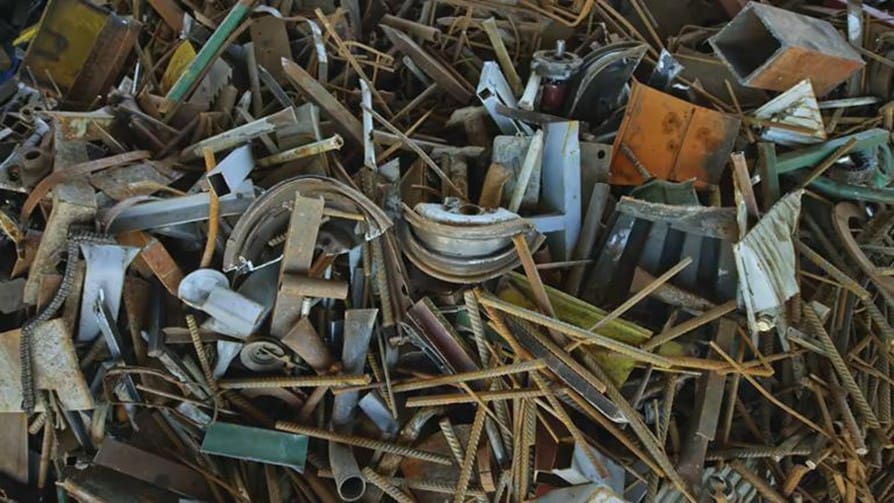
Challenges and Considerations in Recycling for Cost Reduction
While recycling offers clear financial advantages, there are challenges to consider. The quality of recycled materials can vary, requiring careful sorting and processing. Contamination or mixed materials may reduce the value of scrap and increase processing costs.
Investing in advanced sorting and shredding equipment can help maximize the value of recycled inputs. For operations looking to further streamline their processes, reviewing steel stamping edge quality optimization techniques can also contribute to overall efficiency.
Additionally, market conditions and regional recycling infrastructure can affect the availability and price of recycled materials. Companies should assess local supply chains and build relationships with reliable scrap suppliers to ensure consistent quality and pricing.
Integrating Recycling into Production Strategy
To fully realize the cost-saving potential of recycling, manufacturers should integrate recycling into their broader production strategy. This includes:
- Establishing in-house recycling programs to capture and reuse scrap generated during manufacturing.
- Partnering with local recyclers to secure a steady supply of high-quality materials.
- Investing in technology that improves sorting, cleaning, and processing of recyclable inputs.
- Training staff on the importance of material separation and contamination prevention.
By making recycling a core part of their operations, companies can reduce costs, improve sustainability, and enhance their competitive position in the market.
Frequently Asked Questions
What Are the Main Ways Recycling Lowers Manufacturing Expenses?
Recycling reduces manufacturing expenses by lowering raw material and energy costs, minimizing waste disposal fees, and providing access to more stable material prices. Using recycled metals often requires less processing and energy, directly impacting the overall cost structure.
Are There Any Drawbacks to Using Recycled Materials?
The main drawbacks include potential quality variability, contamination, and the need for additional processing. However, with proper sorting and advanced recycling technology, these challenges can be managed effectively.
How Can Companies Maximize the Cost Benefits of Recycling?
Companies can maximize cost benefits by investing in efficient recycling equipment, establishing strong relationships with reliable scrap suppliers, and training employees on best practices for material handling. Reviewing resources on steel stamping secondary operation considerations can also support cost-effective recycling integration.
Does Recycling Help with Regulatory Compliance?
Yes, recycling can help companies meet environmental regulations, avoid landfill taxes, and qualify for government incentives. This not only reduces compliance costs but also enhances a company’s reputation for sustainability.