
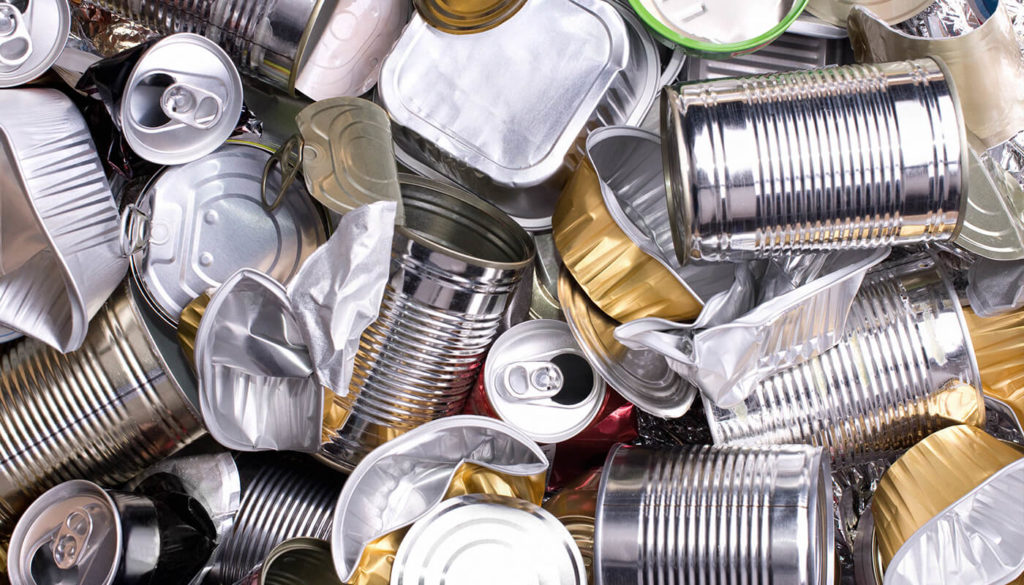
As sustainability becomes a top priority for manufacturers and suppliers, the use of recycled metals is gaining attention for its positive impact on environmental certifications. Companies across industries are seeking ways to reduce their carbon footprint, conserve resources, and meet the growing demand for eco-friendly products. Incorporating recycled metals into production processes is a practical step that not only supports these goals but also strengthens compliance with various green standards and certifications.
Understanding how recycled metals improve eco certifications is essential for businesses aiming to enhance their environmental credentials. By leveraging recycled materials, organizations can demonstrate responsible sourcing, reduce waste, and align with the expectations of both regulators and consumers. This article explores the connection between recycled metals and eco certifications, highlighting the benefits, challenges, and best practices for integrating these materials into your operations.
For those involved in metalworking, optimizing every aspect of production can further support sustainability goals. For example, learning about how to optimize scrap chute angles can help reduce material loss and improve efficiency, complementing the benefits of recycled inputs.
The Role of Recycled Metals in Achieving Green Standards
Eco certifications such as LEED, ISO 14001, and Cradle to Cradle are designed to recognize organizations that prioritize environmental stewardship. These certifications often require proof of responsible sourcing, reduced emissions, and efficient resource use. Recycled metals play a significant role in meeting these criteria by:
- Lowering embodied energy: Producing metals from recycled sources typically uses far less energy than extracting and refining virgin ore.
- Reducing greenhouse gas emissions: The recycling process emits fewer pollutants, helping companies lower their overall carbon footprint.
- Supporting circular economy principles: By reusing materials, businesses contribute to a closed-loop system that minimizes waste and conserves natural resources.
- Improving traceability: Many certification bodies now require documentation of material origins. Recycled metals often come with detailed records, making compliance easier.
How Recycled Metals Contribute to Certification Points
Many green building and product certifications award points or credits for the use of recycled content. For instance, LEED (Leadership in Energy and Environmental Design) allocates credits for materials with recycled content, which can help a project achieve higher certification levels. Similarly, ISO 14001 encourages the use of recycled materials as part of an organization’s environmental management system.
Integrating recycled metals can also support compliance with regulations and voluntary standards related to extended producer responsibility, waste reduction, and sustainable procurement. By documenting the proportion of recycled content in their products, companies can provide evidence for auditors and certifying bodies, streamlining the approval process.
Environmental Benefits of Using Recycled Metals
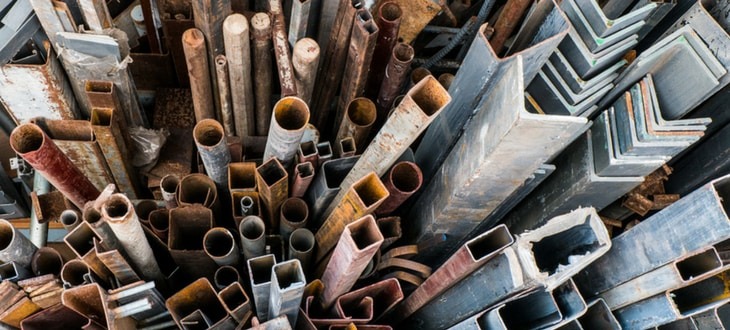
Switching to recycled metals offers a range of environmental advantages that go beyond compliance. These benefits include:
- Resource conservation: Recycling metals reduces the need for mining, which is often associated with habitat destruction, water pollution, and high energy use.
- Waste reduction: By diverting scrap metal from landfills, companies help decrease the volume of solid waste and extend the lifespan of existing landfill sites.
- Energy savings: Producing aluminum from recycled material, for example, uses up to 95% less energy than creating it from raw bauxite ore.
- Lower emissions: The recycling process generates fewer air and water pollutants, contributing to cleaner communities and healthier ecosystems.
These outcomes not only support certification requirements but also enhance a company’s reputation as a responsible and forward-thinking organization.
Challenges and Solutions in Sourcing Recycled Metals
While the advantages are clear, sourcing high-quality recycled metals can present challenges. Variability in material quality, supply chain complexity, and the need for reliable documentation are common concerns. To overcome these obstacles, businesses can:
- Partner with reputable suppliers who provide transparent sourcing and certification documentation.
- Invest in advanced sorting and processing technologies to ensure consistent material quality.
- Implement internal tracking systems to monitor recycled content throughout the production process.
- Stay informed about evolving standards and best practices in sustainable sourcing.
For a deeper understanding of which metals are most suitable for recycling and their specific benefits, refer to resources like this guide to recyclable metals.
Best Practices for Integrating Recycled Metals
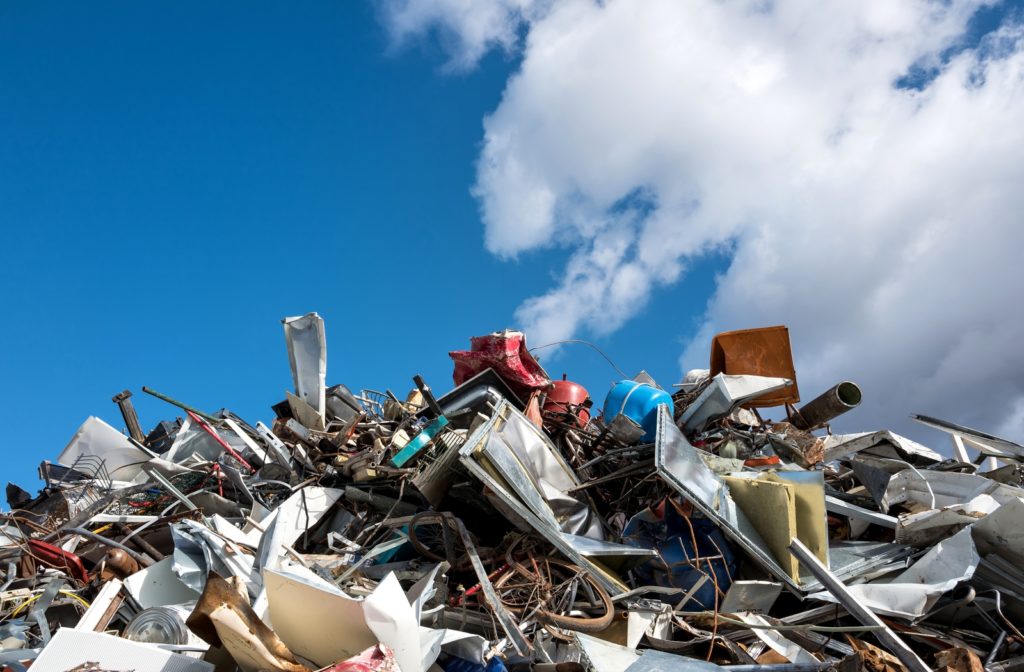
To maximize the impact of recycled metals on environmental certifications, organizations should consider the following best practices:
- Set clear targets: Define specific goals for recycled content in products and communicate these targets to suppliers and stakeholders.
- Document everything: Maintain thorough records of material sources, quantities, and certifications to facilitate audits and reporting.
- Educate your team: Train employees on the importance of recycled materials and how they contribute to sustainability objectives.
- Collaborate with partners: Work with industry groups, certification bodies, and supply chain partners to stay updated on the latest requirements and innovations.
- Continuously improve: Regularly review and update sourcing strategies to increase the proportion of recycled content and improve overall sustainability performance.
In addition to sourcing recycled metals, optimizing production processes can further reduce waste and improve efficiency. For example, understanding steel stamping material yield strength considerations can help manufacturers minimize scrap and make better use of recycled inputs.
Industry Trends and Future Outlook
The demand for recycled metals is expected to grow as more organizations pursue ambitious sustainability targets and as regulatory requirements become stricter. Advances in recycling technology, improved traceability, and greater consumer awareness are driving this shift. Companies that proactively integrate recycled materials into their operations will be better positioned to meet future certification standards and respond to market expectations.
Furthermore, as eco certifications evolve to include more rigorous criteria, the ability to demonstrate the use of recycled metals will become an increasingly valuable asset. Staying ahead of these trends can help businesses maintain a competitive edge and contribute to a more sustainable industrial landscape.
Frequently Asked Questions
Which eco certifications recognize the use of recycled metals?
Several major certifications, including LEED, ISO 14001, and Cradle to Cradle, reward the use of recycled materials. These programs often allocate points or credits for products and projects that incorporate recycled metals, helping organizations achieve higher certification levels.
How can companies verify the recycled content in their products?
Verification typically involves obtaining documentation from suppliers, maintaining internal records, and, in some cases, conducting third-party audits. Reliable suppliers will provide certificates of recycled content, and companies should retain these documents for certification purposes.
What are the main benefits of using recycled metals beyond certification?
In addition to supporting eco certifications, recycled metals help conserve natural resources, reduce energy consumption, lower greenhouse gas emissions, and decrease landfill waste. These benefits contribute to a stronger reputation for environmental responsibility and can lead to cost savings over time.