
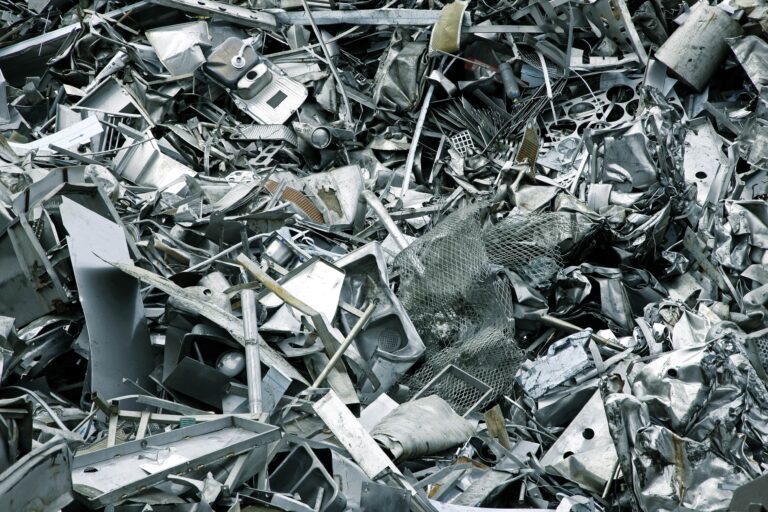
The transition to a low-carbon economy is driving industries and governments to seek innovative strategies for reducing greenhouse gas emissions. One approach gaining significant attention is the use of recycled metal in manufacturing, construction, and infrastructure projects. By reusing existing materials, companies can minimize their environmental impact while also supporting broader net zero goals. This article explores the crucial role that metal recycling plays in achieving these sustainability targets, the environmental and economic benefits, and practical steps for organizations aiming to integrate more recycled content into their supply chains.
For those working with metals, understanding the technical aspects of processing and using recycled materials is key. Resources such as best practices for stamping coated steels offer valuable guidance for maintaining quality and performance when incorporating recycled content.
The Environmental Impact of Recycled Metals
Using recycled metals dramatically reduces the environmental footprint of metal production. Traditional extraction and refining processes for metals like steel, aluminum, and copper are energy-intensive and often rely on fossil fuels. In contrast, recycling these materials requires significantly less energy—sometimes up to 95% less for certain metals such as aluminum.
- Lower carbon emissions: Recycling metals leads to substantial reductions in CO2 and other greenhouse gases, directly supporting climate targets.
- Reduced resource extraction: By reusing existing materials, the demand for new mining operations decreases, preserving natural habitats and reducing land degradation.
- Waste minimization: Diverting metal from landfills cuts down on environmental pollution and conserves valuable landfill space.
How Recycled Metal Contributes to Net Zero Strategies
Integrating recycled content into products and infrastructure is a practical way for organizations to align with net zero objectives. Here’s how recycled metal fits into broader decarbonization efforts:
- Energy savings: The energy required to recycle metals is far lower than that needed for primary production. For example, recycled steel uses about 60% less energy, while recycled aluminum can save up to 95%. These savings translate directly into lower emissions.
- Supply chain decarbonization: Companies are increasingly expected to account for the carbon footprint of their entire value chain. By sourcing recycled metals, businesses can reduce their Scope 3 emissions, which are often the largest and most challenging to address.
- Support for circular economy: Recycling metals keeps valuable resources in use and out of waste streams, fostering a circular approach that is essential for sustainable growth.

Economic Advantages of Metal Recycling
Beyond environmental benefits, recycling metals offers compelling economic incentives. The process creates jobs in collection, sorting, processing, and manufacturing. It also helps stabilize raw material costs by providing a steady supply of secondary materials, which can buffer against price volatility in global markets.
For manufacturers, using recycled metals can lower production costs due to reduced energy consumption and fewer expenses related to raw material extraction. These savings can be passed on to consumers or reinvested in further sustainability initiatives.
Applications of Recycled Metals in Industry
Recycled metals are used across a wide range of sectors, from automotive and construction to electronics and packaging. For example, the automotive industry relies on recycled steel and aluminum for vehicle frames and components, while the construction sector uses recycled rebar and beams in buildings and infrastructure.
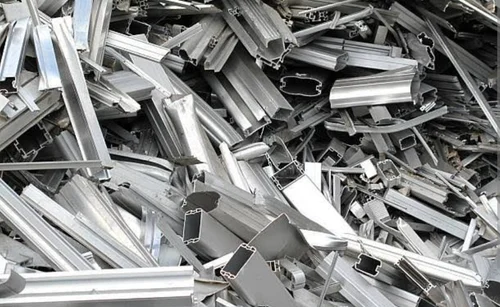
To learn more about the practical uses of different types of recycled scrap, see this overview of recycled scrap metal applications.
Challenges and Solutions in Metal Recycling for Net Zero
While the benefits are clear, there are challenges to maximizing the use of recycled metals. Contamination, inconsistent quality, and logistical hurdles can limit the adoption of secondary materials. However, advances in sorting technology, improved collection systems, and better design for recyclability are helping to overcome these obstacles.
Companies can also adopt steel stamping edge quality optimization techniques to ensure that recycled materials meet stringent performance standards, further supporting their integration into high-value applications.
Best Practices for Increasing Recycled Content
Organizations looking to boost their use of recycled metals should consider the following steps:
- Source from certified suppliers: Work with vendors who can verify the recycled content and environmental credentials of their products.
- Design for recyclability: Develop products and components that are easy to disassemble and recycle at end-of-life.
- Invest in employee training: Equip teams with knowledge about how to train operators for steel stamping safety and handling recycled materials safely and efficiently.
- Monitor and report progress: Track recycled content usage and emissions reductions to demonstrate progress toward sustainability goals.
Frequently Asked Questions
What types of metals can be recycled to support net zero objectives?
Most common industrial metals—including steel, aluminum, copper, and brass—can be recycled multiple times without significant loss of quality. Using these secondary materials helps reduce emissions and resource extraction.
How does using recycled metal reduce carbon emissions?
Recycling metals uses far less energy than producing new metals from ore. This energy savings directly translates to lower greenhouse gas emissions, making it a key strategy for organizations aiming to cut their carbon footprint.
Are there quality concerns when using recycled metals?
With modern processing and quality control techniques, recycled metals can meet or exceed the performance standards of virgin materials. It’s important to source from reputable suppliers and use best practices in manufacturing to ensure consistent quality.
Conclusion
The use of recycled metal is a powerful lever for organizations and industries striving to meet net zero commitments. By reducing emissions, conserving resources, and supporting a circular economy, metal recycling delivers both environmental and economic value. As technology and best practices continue to evolve, the opportunities for integrating recycled content into products and infrastructure will only increase, accelerating progress toward a more sustainable future.