
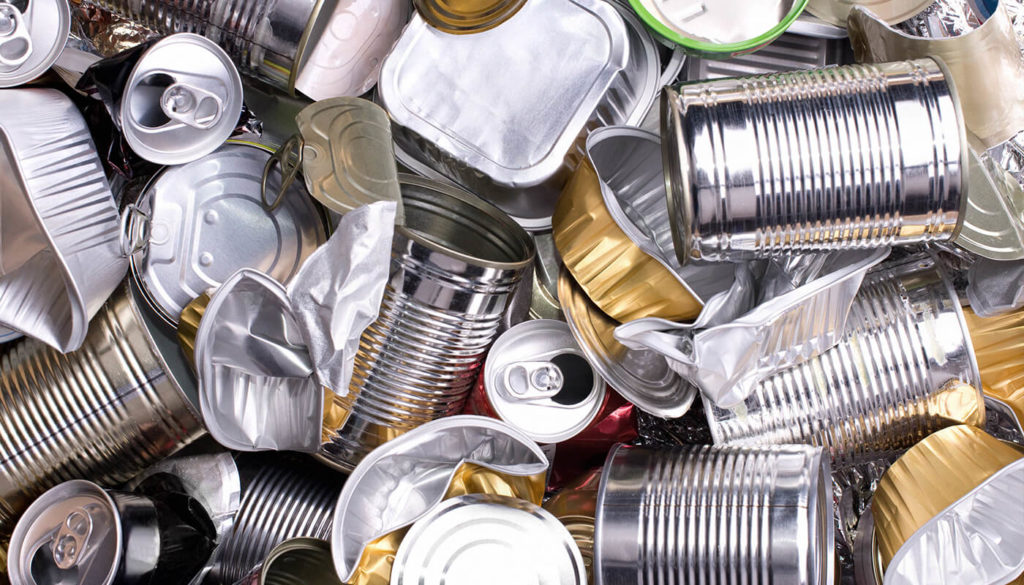
As sustainability becomes a top priority for businesses and consumers alike, companies are seeking effective ways to demonstrate their commitment to environmental responsibility. One powerful strategy is integrating recycled metal into manufacturing and product design. This approach not only reduces environmental impact but also enhances a brand’s reputation for eco-consciousness. Understanding how recycled metal supports green branding can help organizations make informed decisions that benefit both the planet and their public image.
For manufacturers and metalworkers, adopting sustainable practices goes beyond compliance—it’s a competitive advantage. Leveraging recycled materials can also improve operational efficiency and open new market opportunities. If you’re interested in optimizing your processes, exploring best practices for stamping coated steels can further support your sustainability goals.
Why Sustainable Materials Matter for Brand Image
Today’s consumers are more informed and selective, often choosing brands that align with their values. Incorporating recycled metals into products and packaging signals a genuine commitment to sustainability. This can lead to increased customer loyalty, positive media coverage, and even preference in procurement processes where environmental criteria are considered.
Green branding is not just about marketing—it’s about authentic action. Companies that use recycled materials can back up their claims with tangible evidence, such as certifications or lifecycle assessments. This transparency builds trust and distinguishes brands in crowded markets.
The Environmental Benefits of Using Recycled Metal
Utilizing recycled metals significantly reduces the need for virgin raw materials, which in turn decreases energy consumption, greenhouse gas emissions, and mining waste. For example, recycling aluminum saves up to 95% of the energy required to produce it from ore. The environmental advantages extend to other metals as well, making this practice a cornerstone of sustainable manufacturing.
By choosing recycled inputs, companies help conserve natural resources and minimize landfill waste. This proactive approach supports broader environmental goals and can be a key talking point in sustainability reports and marketing materials.
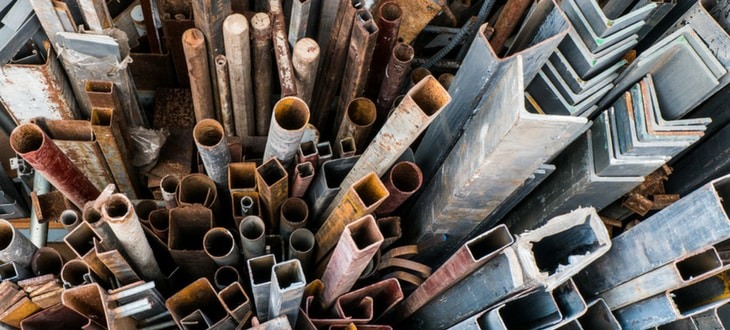
How Recycled Metal Enhances Sustainable Brand Positioning
Integrating recycled content into products allows companies to communicate their environmental values directly to consumers. Labels such as “Made with Recycled Metal” or third-party certifications can be powerful marketing tools. These claims resonate with eco-conscious buyers and can influence purchasing decisions.
In addition, using recycled metals can help businesses meet regulatory requirements and qualify for green certifications, such as LEED or ISO 14001. This not only strengthens brand positioning but also opens doors to new markets and partnerships focused on sustainability.
Operational Advantages of Using Recycled Metals
Beyond environmental and branding benefits, recycled metals often provide cost savings. The recycling process typically requires less energy than extracting and refining new materials, which can lower production costs. Additionally, sourcing recycled metals can reduce supply chain risks associated with raw material shortages or price volatility.
Companies that invest in recycling infrastructure or partner with reliable suppliers can further streamline their operations. For those interested in the technical aspects of metal recycling, the recycling process for different metal types provides valuable insights into how various metals are recovered and reused.

Challenges and Considerations in Adopting Recycled Metals
While the advantages of using recycled metals are clear, there are also challenges to consider. Quality control is essential, as recycled materials must meet the same standards as virgin metals. Companies may need to invest in additional testing or adapt their processes to accommodate variations in recycled content.
Another consideration is supply chain transparency. Brands must ensure that their recycled materials are sourced responsibly and that claims can be verified. Building strong relationships with suppliers and maintaining documentation are key steps in this process.
Integrating Recycled Metal into Your Sustainability Strategy
To maximize the benefits of recycled metals, organizations should take a holistic approach. This includes evaluating current sourcing practices, setting measurable sustainability goals, and communicating progress to stakeholders. Training staff and updating equipment can also help ensure a smooth transition to more sustainable operations.
For those involved in metalworking, exploring topics like steel stamping edge quality optimization or secondary operation considerations can further enhance both efficiency and sustainability.
Frequently Asked Questions
What types of metals are most commonly recycled for sustainable branding?
The most frequently recycled metals include aluminum, steel, copper, and brass. These materials are widely used in manufacturing and can be recycled multiple times without losing quality, making them ideal for companies focused on sustainability and green branding.
How does using recycled metal impact a company’s environmental footprint?
Incorporating recycled metals reduces the need for mining and refining new materials, which lowers energy consumption and greenhouse gas emissions. This practice also diverts waste from landfills, contributing to a smaller overall environmental footprint.
Can using recycled metal improve customer perception of a brand?
Yes, consumers increasingly favor brands that demonstrate environmental responsibility. Using recycled metals and communicating this commitment can enhance brand reputation, foster customer loyalty, and differentiate a company in the marketplace.
Conclusion
Embracing recycled metals is a practical and effective way for businesses to support their sustainability initiatives and strengthen their green image. By understanding the environmental, operational, and branding benefits, companies can make informed choices that resonate with today’s eco-conscious consumers. As the demand for sustainable products continues to grow, integrating recycled materials will remain a key strategy for forward-thinking brands.