
Metal recycling is a powerful tool for advancing global sustainability. By recovering and reusing metals, industries and communities can significantly reduce environmental impact, conserve resources, and foster economic growth. These benefits align closely with the United Nations Sustainable Development Goals (SDGs), a set of 17 objectives designed to promote prosperity while protecting the planet. Understanding how metal recycling supports SDGs helps businesses, policymakers, and individuals make informed decisions that contribute to a more sustainable future.
From reducing greenhouse gas emissions to supporting responsible consumption, the recycling of metals plays a crucial role in achieving several SDGs. This article explores the connections between metal recycling and the SDGs, highlights practical impacts, and offers guidance for those looking to make a difference. For those involved in steel manufacturing, learning about how to optimize scrap chute angles can further enhance recycling efficiency and material recovery.
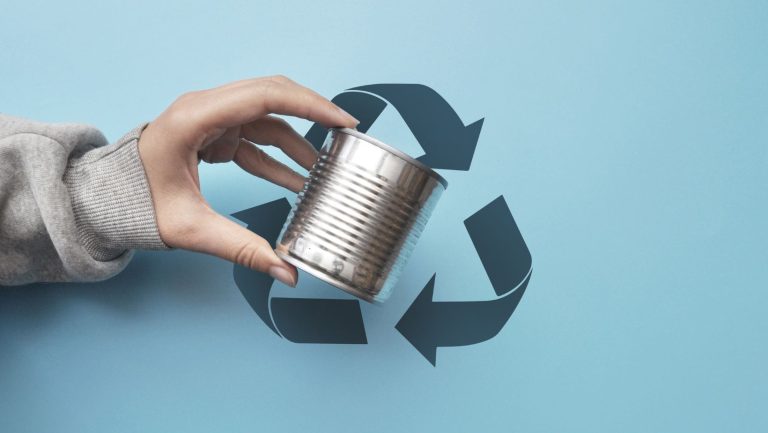
The Role of Metal Recycling in Achieving Sustainable Development Goals
The SDGs provide a comprehensive blueprint for addressing global challenges. Metal recycling directly supports several of these goals by promoting resource efficiency, reducing pollution, and encouraging sustainable industrial practices. Let’s examine some of the most relevant SDGs and how recycling metals contributes to each:
- Goal 12: Responsible Consumption and Production – Recycling metals reduces the need for virgin materials, conserves energy, and minimizes waste. This supports more sustainable production cycles and encourages responsible consumption patterns.
- Goal 13: Climate Action – By lowering energy use and emissions associated with mining and refining, metal recycling helps mitigate climate change.
- Goal 9: Industry, Innovation, and Infrastructure – The recycling industry drives innovation in processing technologies and supports resilient infrastructure by providing affordable, sustainable materials.
- Goal 11: Sustainable Cities and Communities – Urban recycling programs reduce landfill use, conserve space, and create cleaner, healthier environments.
- Goal 8: Decent Work and Economic Growth – The recycling sector generates jobs and supports local economies through collection, processing, and manufacturing activities.
Environmental Benefits and Resource Conservation
One of the most significant ways metal recycling advances SDGs is through environmental protection. Extracting and processing raw metals is energy-intensive and often leads to habitat destruction, water pollution, and high carbon emissions. Recycling, on the other hand, uses far less energy and preserves natural resources.
For example, producing aluminum from recycled scrap requires up to 95% less energy than creating it from bauxite ore. This dramatic reduction in energy use directly supports climate action and responsible resource management. Additionally, recycling metals like steel, copper, and brass reduces the demand for mining, which helps protect ecosystems and biodiversity.
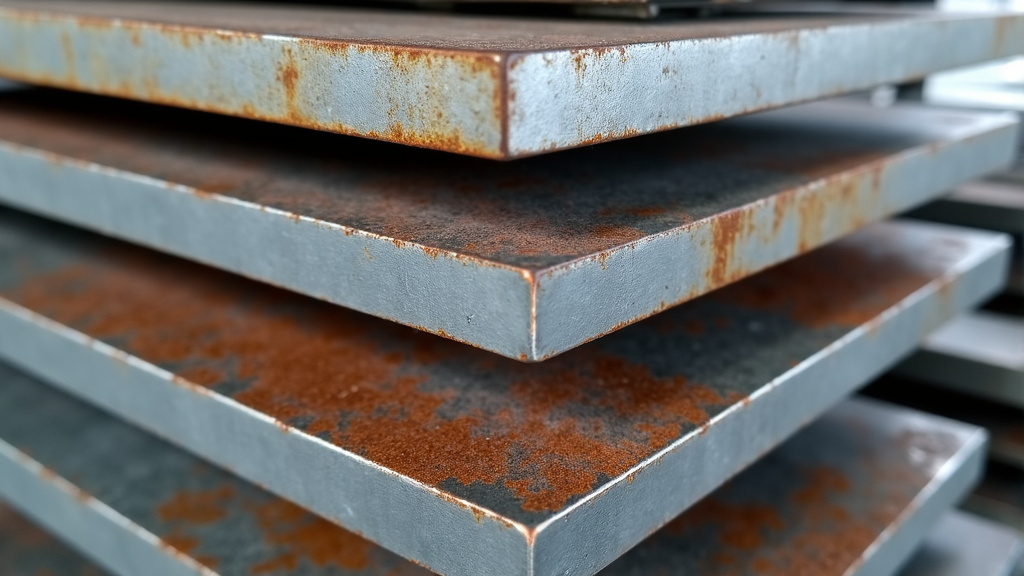
Reducing Waste and Supporting Circular Economies
A circular economy aims to keep products and materials in use for as long as possible. Metal recycling is a cornerstone of this approach, ensuring that valuable resources are not lost to landfills or incineration. By turning scrap into new products, recycling supports SDGs focused on waste reduction and sustainable resource management.
Many everyday items, from appliances to vehicles, contain metals that can be recovered and reused. This reduces the need for new raw materials and helps close the loop on material use. For those interested in the technical aspects of recycling, understanding different metal types and their recycling process can provide valuable insights into how the industry maximizes efficiency and sustainability.
Economic and Social Impacts of Metal Recycling
The recycling industry is a major source of employment and economic activity. Jobs are created at every stage, from collection and sorting to processing and manufacturing. These opportunities are especially important in regions where traditional industries are declining, offering new pathways for economic growth and community development.
Recycling metals also makes manufacturing more affordable by providing a steady supply of secondary raw materials. This helps stabilize prices and supports industries that rely on metals, such as construction, automotive, and electronics. By fostering innovation and supporting local economies, metal recycling contributes to SDGs related to economic growth and decent work.
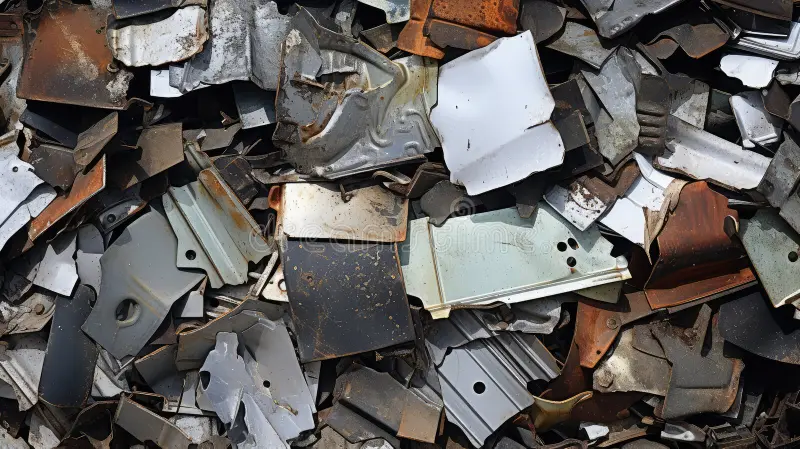
Challenges and Opportunities in Metal Recycling
While the benefits of metal recycling are clear, there are still challenges to address. Contamination, inefficient sorting, and lack of infrastructure can limit the effectiveness of recycling programs. However, advances in technology and increased public awareness are helping to overcome these barriers.
For manufacturers, adopting best practices for stamping coated steels can help reduce waste and improve the quality of recycled materials. Collaboration between governments, businesses, and communities is essential to expand recycling capacity and ensure that the benefits reach as many people as possible.
How Individuals and Businesses Can Contribute
Everyone has a role to play in advancing sustainability through metal recycling. Individuals can participate by properly sorting recyclable materials and supporting local recycling initiatives. Businesses can invest in efficient recycling systems and prioritize the use of recycled metals in their products.
Manufacturers and engineers can further optimize processes by considering steel stamping material yield strength considerations and other technical factors that influence recyclability. By making informed choices, both individuals and organizations can help accelerate progress toward the SDGs.
Frequently Asked Questions
Which Sustainable Development Goals Are Most Impacted by Metal Recycling?
Metal recycling most directly supports SDG 12 (Responsible Consumption and Production), SDG 13 (Climate Action), SDG 9 (Industry, Innovation, and Infrastructure), SDG 8 (Decent Work and Economic Growth), and SDG 11 (Sustainable Cities and Communities). By conserving resources, reducing emissions, and creating jobs, recycling metals advances these global objectives.
How Does Metal Recycling Reduce Environmental Impact?
Recycling metals uses significantly less energy than producing new metals from ore, resulting in lower greenhouse gas emissions and reduced water and air pollution. It also minimizes the need for mining, which helps protect ecosystems and biodiversity.
What Can Businesses Do to Improve Their Metal Recycling Efforts?
Businesses can implement efficient collection and sorting systems, invest in modern recycling technologies, and design products with recyclability in mind. Collaborating with recycling partners and staying informed about industry best practices can further enhance sustainability outcomes.
Conclusion
Metal recycling is a vital strategy for supporting the United Nations Sustainable Development Goals. By conserving resources, reducing waste, and fostering economic growth, recycling metals helps build a more sustainable and equitable world. Whether you are an individual, a business leader, or a policymaker, understanding the connections between metal recycling and the SDGs empowers you to make choices that benefit both people and the planet.