
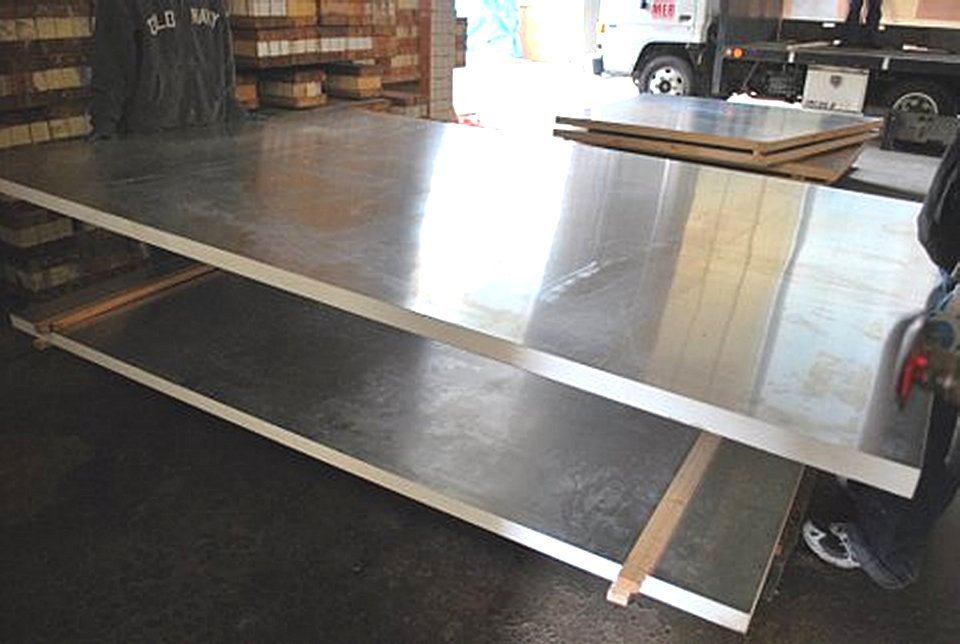
As environmental concerns and regulatory pressures increase, the manufacturing sector is under growing scrutiny to reduce its ecological impact. Green supply chain metal fabrication is an approach that integrates sustainable practices into every stage of metalworking, from sourcing raw materials to delivering finished products. By adopting eco-friendly methods, companies can minimize waste, lower emissions, and improve resource efficiency—all while maintaining high standards of quality and productivity.
This article explores actionable strategies for implementing sustainable practices in metal fabrication. We’ll cover responsible material sourcing, energy-efficient production, waste reduction, and how digital tools can help track and optimize environmental performance. Whether you’re a plant manager, engineer, or supply chain professional, these insights can help you align operations with both business goals and sustainability commitments.
For those interested in optimizing specific fabrication processes, such as improving material flow in stamping operations, you may find practical insights in our guide on how to optimize scrap chute angles.
Why Sustainable Metal Fabrication Matters
Adopting green supply chain metal fabrication practices isn’t just about regulatory compliance. It’s also a strategic move that can enhance brand reputation, reduce operational costs, and open up new market opportunities. Customers and partners increasingly prefer working with manufacturers who demonstrate a commitment to environmental stewardship. Moreover, sustainable operations often lead to greater efficiency, less waste, and long-term cost savings.
Key drivers for embracing eco-friendly fabrication include:
- Reducing greenhouse gas emissions and energy consumption
- Minimizing landfill waste and hazardous byproducts
- Meeting evolving regulatory and customer requirements
- Improving workplace safety and community relations
Responsible Material Sourcing in Metalworking
One of the first steps toward a more sustainable supply chain is choosing materials with lower environmental impact. This involves selecting recycled metals, sourcing from suppliers with strong environmental credentials, and considering the full lifecycle of materials used in production.
- Recycled Content: Using steel, aluminum, or other metals with high recycled content reduces the need for virgin mining and lowers overall emissions.
- Supplier Audits: Evaluate suppliers based on their environmental policies, certifications, and transparency. Prioritize those who demonstrate responsible sourcing and ethical labor practices.
- Material Efficiency: Design parts and assemblies to minimize material use without compromising strength or performance. This can be achieved through advanced engineering and simulation tools.
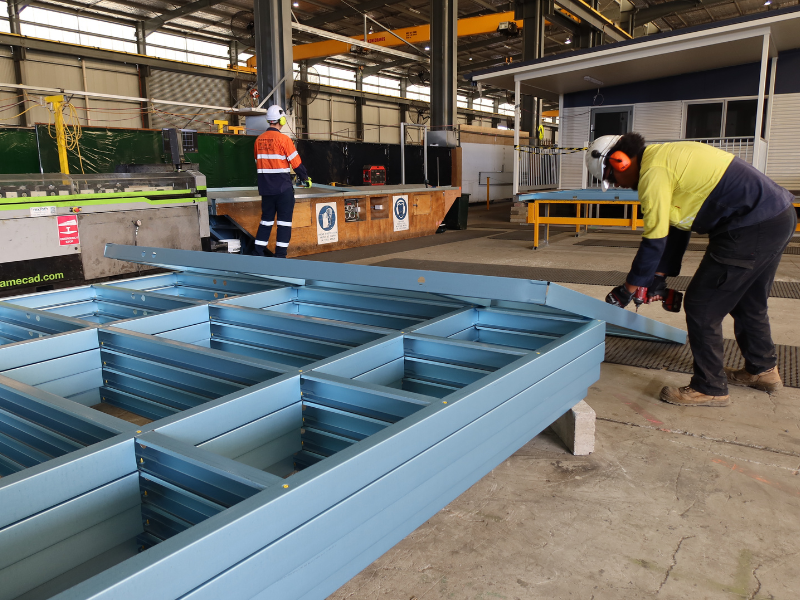
Energy-Efficient Production Techniques
Manufacturing metal parts can be energy-intensive, but there are several ways to reduce consumption and emissions:
- Modern Equipment: Upgrade to energy-efficient machinery and use automation to optimize cycle times and reduce idle periods.
- Process Optimization: Implement lean manufacturing principles to eliminate unnecessary steps and reduce energy waste.
- Renewable Energy: Where possible, power operations with renewable sources such as solar or wind. This can significantly cut the carbon footprint of fabrication plants.
- Heat Recovery: Capture and reuse waste heat from furnaces or welding operations for other processes, such as preheating materials or facility heating.
For more on maximizing material performance and efficiency, see our article on steel stamping material yield strength considerations.
Reducing Waste and Improving Recycling
Minimizing waste is a cornerstone of green supply chain metal fabrication. Effective strategies include:
- Scrap Management: Separate and recycle metal scrap by type to maximize recovery value. Use closed-loop systems to return scrap directly to suppliers or in-house recycling programs.
- Process Control: Monitor production closely to identify sources of excess scrap or defects. Adjust tooling and processes to reduce offcuts and rework.
- Packaging Reduction: Use returnable or recyclable packaging for inbound materials and outbound products to cut down on single-use plastics and cardboard.
Innovative waste management not only benefits the environment but can also reduce disposal costs and improve overall plant efficiency.
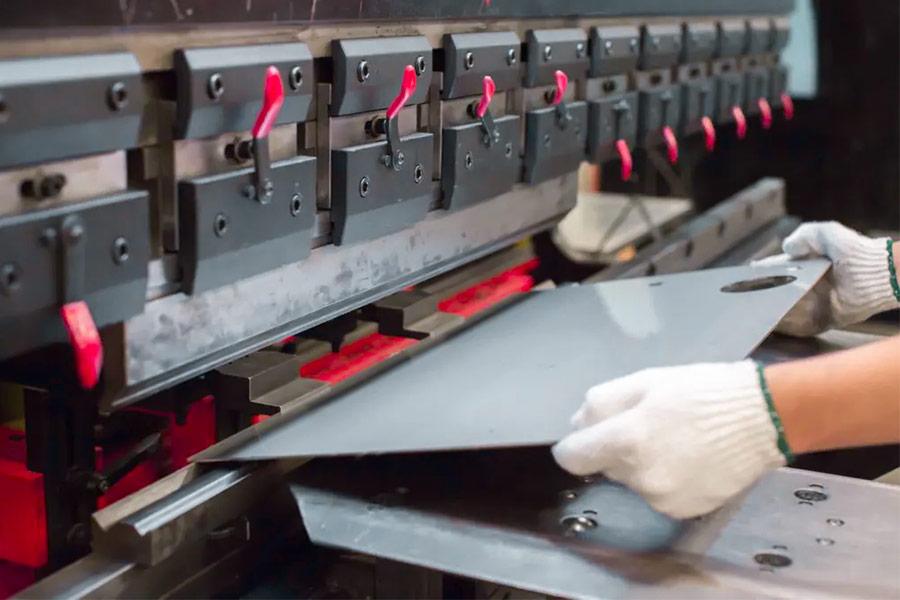
Digital Tools for Tracking and Optimization
Modern digital solutions can help manufacturers monitor and improve their environmental performance. Examples include:
- Energy Monitoring Systems: Track real-time energy usage across machines and processes to identify inefficiencies.
- Supply Chain Management Platforms: Use software to trace material origins, manage supplier certifications, and ensure compliance with environmental standards.
- Lifecycle Assessment Tools: Evaluate the environmental impact of products from raw material extraction through end-of-life, guiding design and sourcing decisions.
Integrating these tools into daily operations enables continuous improvement and provides data for sustainability reporting.
Certifications and Industry Standards
Adhering to recognized standards can demonstrate a company’s commitment to sustainable metalworking. Common certifications include:
- ISO 14001: Focuses on environmental management systems and continuous improvement.
- LEED: Relevant for facilities that want to achieve green building status.
- ResponsibleSteel: A global standard for responsible sourcing and production in the steel industry.
These certifications can enhance credibility with customers and stakeholders while providing frameworks for ongoing improvement.
Collaboration Across the Supply Chain
Building a sustainable supply chain requires cooperation among manufacturers, suppliers, logistics providers, and customers. Open communication and shared goals can drive innovation and help overcome challenges such as cost, complexity, or resistance to change.
Some ways to foster collaboration include:
- Engaging suppliers in joint sustainability initiatives
- Sharing best practices and technical knowledge
- Participating in industry groups focused on green manufacturing
For a deeper look at eco-friendly manufacturing, consider reading this overview of sustainable manufacturing and eco-friendly practices in metal fabrication.
Continuous Improvement and Future Trends
Sustainability is an ongoing journey. Regularly reviewing operations, setting measurable goals, and staying informed about emerging technologies are essential for maintaining progress. Trends such as additive manufacturing, advanced robotics, and circular economy models are shaping the future of green metalworking.
Companies that invest in innovation and remain agile will be best positioned to meet evolving environmental expectations and capture new business opportunities.
FAQ
What are the main benefits of adopting sustainable practices in metal fabrication?
Implementing eco-friendly methods helps reduce environmental impact, lower operating costs, improve brand reputation, and ensure compliance with regulations. It can also lead to greater efficiency and open up new markets that prioritize sustainability.
How can manufacturers reduce waste in metal fabrication processes?
Key strategies include optimizing part design to minimize offcuts, recycling scrap materials, using closed-loop systems, and improving process control to reduce defects and rework. Packaging reduction and reuse also play an important role.
What certifications are relevant for green supply chain initiatives in metalworking?
Common certifications include ISO 14001 for environmental management, LEED for green buildings, and ResponsibleSteel for responsible sourcing and production. These standards provide frameworks for continuous improvement and help demonstrate a commitment to sustainability.