
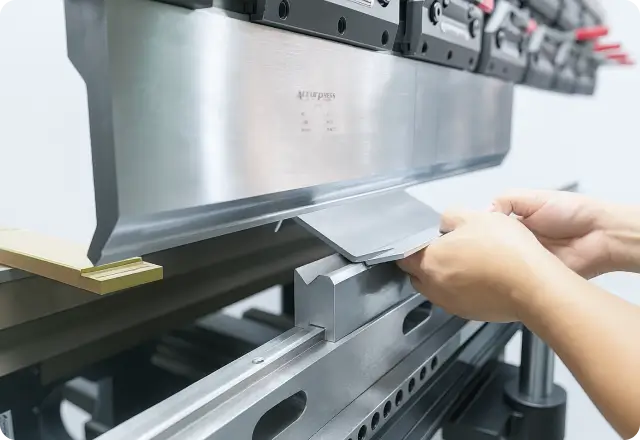
As environmental concerns continue to shape the manufacturing landscape, green certifications metal fabrication has become a central topic for both industry professionals and customers. These certifications provide a framework for evaluating and improving the sustainability of metalworking operations, from raw material sourcing to final product finishing. Understanding the standards, benefits, and practical steps involved can help fabricators make informed decisions and demonstrate their commitment to responsible practices.
For those interested in sustainable finishing processes, exploring eco friendly anodizing methods can complement the pursuit of green certifications and further reduce environmental impact.
What Are Green Certifications in Metalworking?
Green certifications in the metal fabrication sector are formal recognitions awarded to companies that meet specific environmental and sustainability criteria. These standards are often set by independent organizations and can cover a wide range of practices, including energy efficiency, waste reduction, emissions control, and responsible sourcing of materials.
Achieving such certifications signals to clients, partners, and regulators that a fabricator is committed to minimizing its environmental footprint. It also helps companies stay ahead of tightening regulations and growing market demand for sustainable products.
Key Types of Sustainability Certifications for Metal Fabricators
There are several widely recognized certifications relevant to the metalworking industry. Each has its own focus and requirements, but all contribute to a more sustainable approach to fabrication.
- ISO 14001 (Environmental Management Systems): This international standard outlines criteria for an effective environmental management system (EMS). It helps organizations identify, manage, monitor, and control their environmental issues holistically.
- LEED (Leadership in Energy and Environmental Design): While commonly associated with buildings, LEED credits can apply to manufacturing facilities that incorporate green construction and operational practices.
- ENERGY STAR: Facilities that meet strict energy performance standards may qualify for ENERGY STAR certification, demonstrating reduced energy consumption and greenhouse gas emissions.
- Cradle to Cradle Certified™: This product-level certification assesses the safety, circularity, and responsibility of materials and processes, encouraging continuous improvement.
- SCS Global Services: SCS offers a range of certifications for recycled content, responsible sourcing, and environmental claims verification, all relevant to metal fabrication.
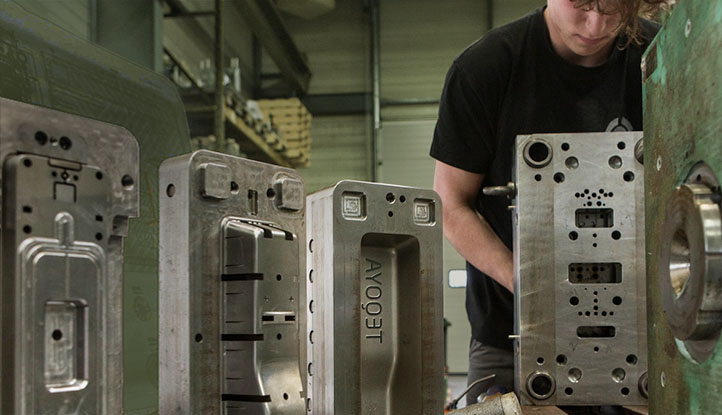
Benefits of Pursuing Green Certification for Metal Fabrication Shops
Adopting sustainable practices and achieving recognized certifications can deliver tangible advantages for metalworking businesses. Some of the main benefits include:
- Market Differentiation: Certified operations can stand out in a competitive marketplace, attracting environmentally conscious customers and partners.
- Regulatory Compliance: Many certifications align with or exceed government regulations, helping businesses avoid fines and stay ahead of evolving legal requirements.
- Operational Efficiency: Implementing green standards often leads to reduced energy use, lower waste disposal costs, and improved resource management.
- Employee Engagement: Workers are increasingly motivated by employers who demonstrate a commitment to sustainability, leading to higher retention and morale.
- Risk Reduction: Sustainable practices can minimize environmental liabilities and enhance a company’s reputation in the event of audits or public scrutiny.
Steps to Achieve Green Certification in Metalworking
The path to certification involves several key stages, each requiring careful planning and commitment. Here’s a general outline of the process:
- Assessment: Begin with a thorough review of current operations, identifying areas where environmental performance can be improved.
- Goal Setting: Define clear sustainability objectives, such as reducing energy use, minimizing hazardous waste, or increasing recycled content.
- Implementation: Make necessary changes to processes, equipment, and materials. This could involve upgrading to energy-efficient machinery, switching to water based metal coatings, or adopting closed-loop recycling systems.
- Documentation: Maintain detailed records of all changes and improvements, as these will be required during the certification audit.
- Audit: Undergo a formal review by the certifying body, which will verify compliance with the chosen standard.
- Continuous Improvement: Certification is not a one-time event. Ongoing monitoring and periodic re-certification ensure that standards are maintained and enhanced over time.
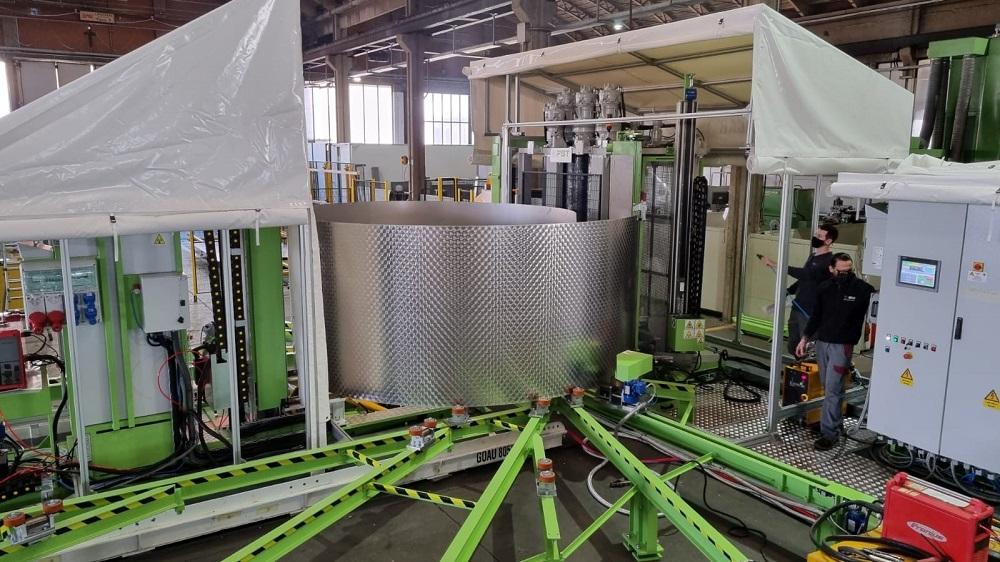
Common Challenges and Solutions in Sustainable Metal Fabrication
While the advantages of green certification are clear, the journey is not without obstacles. Some of the most frequent challenges faced by metal fabricators include:
- Initial Investment: Upgrading equipment or changing processes can require significant upfront costs. However, many companies find that long-term savings and incentives offset these expenses.
- Knowledge Gaps: Navigating the various certification standards can be complex. Engaging consultants or participating in industry workshops can help bridge these gaps.
- Operational Disruption: Implementing new practices may temporarily affect productivity. Careful planning and phased rollouts can minimize downtime.
- Supply Chain Coordination: Ensuring that suppliers also adhere to green standards is essential. Building strong relationships and clear expectations can drive improvements beyond your own facility.
For additional strategies on making fabrication operations more sustainable, consider adopting sustainable shop floor practices to further reduce your environmental impact.
Industry Trends and the Future of Green Standards in Metalworking
The demand for environmentally responsible manufacturing is only expected to grow. Customers, regulators, and investors are increasingly scrutinizing the environmental impact of industrial operations. As a result, more metal fabricators are seeking certification and integrating sustainability into their core business strategies.
Innovations such as digital monitoring, advanced recycling technologies, and the use of renewable energy sources are making it easier for shops to meet and exceed certification requirements. For a deeper look at how the industry is evolving, this overview of sustainability in metal fabrication provides further insights into current and future trends.
As more companies embrace these standards, the bar for responsible manufacturing will continue to rise, benefiting both the environment and the industry as a whole.
FAQ: Green Certification and Sustainable Metal Fabrication
What are the main requirements for green certification in metalworking?
Requirements vary by certification, but typically include reducing energy and water usage, minimizing waste, controlling emissions, and sourcing materials responsibly. Documentation and regular audits are also essential parts of the process.
How long does it take to achieve a sustainability certification?
The timeline depends on the size of the operation, the chosen standard, and the current state of your processes. For some, it may take several months to a year to implement necessary changes and complete the audit process.
Are there cost-effective ways to start making a metal shop more sustainable?
Yes. Simple steps such as switching to LED lighting, improving insulation, recycling scrap metal, and using green metal finishing processes can make a meaningful impact without significant investment. Over time, these changes can lead to both environmental and financial benefits.
Can small fabrication shops benefit from green certification?
Absolutely. While larger operations may have more resources, small shops can still gain a competitive edge, attract new customers, and improve efficiency by pursuing sustainability standards.