
The environmental impact of steel stamping processes is an increasingly important consideration for manufacturers, engineers, and businesses aiming to balance productivity with responsibility. As demand for steel components grows across automotive, construction, and electronics industries, the ecological footprint of metal forming operations comes under greater scrutiny. From energy consumption and emissions to waste management and resource use, every stage of steel stamping can affect the environment. Understanding these effects and adopting sustainable practices is essential for minimizing harm and meeting regulatory and societal expectations.
This article explores the main environmental challenges associated with steel stamping, highlights proven strategies for reducing negative impacts, and examines how innovation is driving greener production. For those interested in optimizing every aspect of their metalworking operations, related topics such as steel stamping cooling methods can further enhance efficiency and sustainability.
Understanding the Ecological Footprint of Metal Stamping
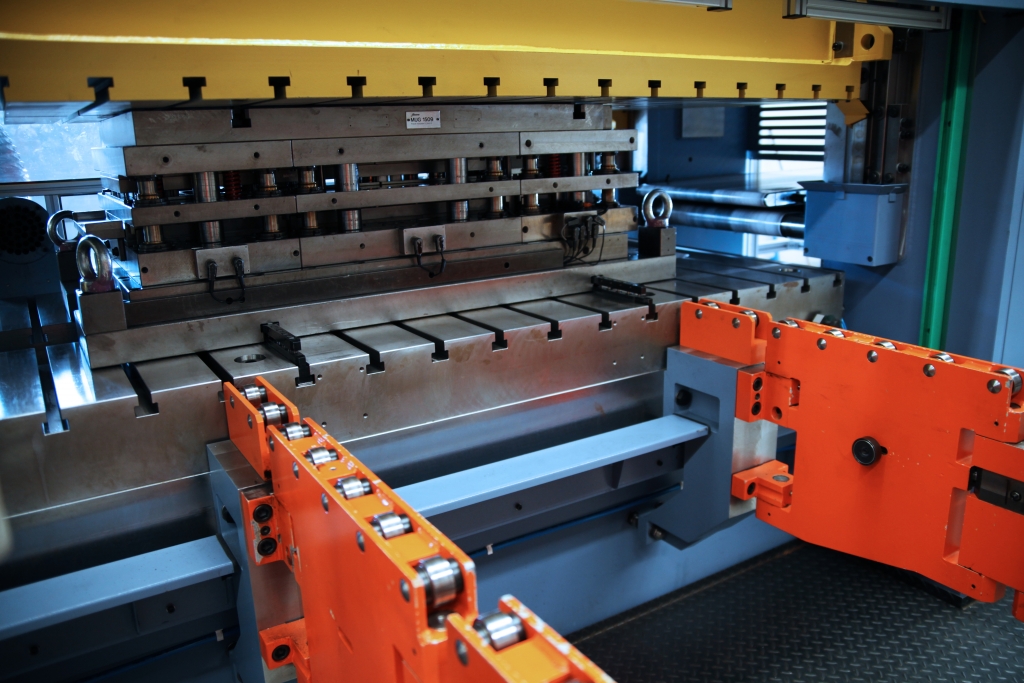
Steel stamping involves shaping flat steel sheets into specific forms using dies and presses. While this process is efficient for mass production, it can generate significant environmental concerns if not managed properly. The primary areas of concern include:
- Energy Use: Stamping presses, especially hydraulic and mechanical types, require substantial electricity. The source of this energy—whether renewable or fossil-fuel based—directly affects the carbon footprint.
- Material Waste: Offcuts, trimmings, and rejected parts contribute to landfill waste and resource depletion if not recycled or minimized.
- Emissions: Lubricants, coolants, and degreasers used in stamping can release volatile organic compounds (VOCs) and other pollutants into the air and water.
- Water Consumption: Cleaning and cooling systems often use large volumes of water, which can strain local supplies and lead to contamination if not treated.
Key Environmental Challenges in Steel Stamping Operations
The environmental impact of steel stamping processes is shaped by several operational factors. Identifying and addressing these challenges is the first step toward a more sustainable workflow.
1. Energy Consumption and Carbon Emissions
Presses and auxiliary equipment can be energy-intensive, especially in high-volume facilities. If powered by non-renewable sources, this leads to increased greenhouse gas emissions. Upgrading to energy-efficient machinery and integrating renewable energy sources can significantly reduce this impact.
2. Scrap Generation and Waste Management
Inefficient die design or process planning can result in excess scrap metal. While steel is highly recyclable, not all facilities have robust recycling programs in place. Implementing lean manufacturing principles and investing in advanced die technologies can help minimize waste.
3. Chemical and Water Pollution
The use of lubricants, coolants, and cleaning agents is essential for smooth operations but can pose environmental risks if not handled responsibly. Proper containment, recycling, and treatment systems are critical to prevent soil and water contamination.
Sustainable Solutions for Reducing the Environmental Impact
Addressing the environmental impact of steel stamping processes requires a holistic approach. Manufacturers are increasingly adopting sustainable practices that not only reduce harm but also improve efficiency and cost-effectiveness.
Optimizing Material Usage and Reducing Scrap
Advanced simulation software and precision die engineering allow for better material utilization, reducing offcuts and scrap. For more on minimizing waste, see how to reduce scrap in metal stamping. Additionally, closed-loop recycling systems ensure that any generated scrap is efficiently reprocessed.
Energy Efficiency and Renewable Integration
Upgrading to high-efficiency motors, variable speed drives, and energy management systems can lower electricity consumption. Some facilities are also investing in solar panels or purchasing green energy to further reduce their carbon footprint.
Cleaner Production and Chemical Management
Switching to biodegradable lubricants and water-based coolants helps minimize hazardous emissions. Implementing proper containment and recycling for process fluids prevents environmental contamination. For more on process optimization, consider reading about the importance of grain direction in steel stamping and its effect on efficiency.

Innovations and Industry Trends in Eco-Friendly Metal Forming
The steel stamping sector is witnessing rapid advancements aimed at reducing environmental burdens. Some notable trends include:
- Closed-Loop Water Systems: These systems recycle water used in cooling and cleaning, drastically reducing consumption and wastewater discharge.
- Smart Manufacturing: IoT sensors and data analytics help monitor energy use, emissions, and waste in real time, enabling proactive adjustments for sustainability.
- Green Certification: Many facilities pursue ISO 14001 or similar certifications to formalize their commitment to environmental management and continuous improvement.
- Worker Safety and Environmental Training: Comprehensive programs ensure that staff understand both safety and sustainability best practices. For more on safety, see this guide to metal stamping safety.
Best Practices for Sustainable Steel Stamping
Companies looking to reduce their ecological footprint can implement several practical measures:
- Regularly audit energy and resource use to identify inefficiencies.
- Invest in modern, energy-efficient equipment and automation.
- Design dies and processes to maximize material yield and minimize scrap.
- Establish robust recycling programs for both steel and process fluids.
- Train employees on environmental policies and safe chemical handling.
- Collaborate with suppliers who prioritize sustainability in their own operations.
Exploring topics like how to prevent springback in steel stamping can further enhance process stability and reduce waste, supporting overall sustainability goals.
Frequently Asked Questions
What are the main sources of pollution in steel stamping?
The primary sources include energy consumption (leading to carbon emissions), chemical use (such as lubricants and coolants), and material waste. Proper management and adoption of greener alternatives can significantly reduce these pollutants.
How can manufacturers minimize waste in stamping operations?
By optimizing die design, using advanced simulation tools, and implementing recycling programs, manufacturers can greatly reduce scrap generation. Lean manufacturing principles also help streamline processes and minimize unnecessary waste.
Are there industry standards for sustainable steel stamping?
Yes, certifications like ISO 14001 set out requirements for effective environmental management systems. Many companies also follow local regulations and industry best practices to ensure responsible production.
Conclusion
Addressing the environmental impact of steel stamping processes is not just a regulatory necessity but a strategic advantage. By embracing sustainable practices—ranging from energy efficiency and waste reduction to chemical management and innovation—manufacturers can protect the environment, reduce costs, and enhance their reputation. As technology evolves and expectations rise, continuous improvement in eco-friendly metal forming will remain a top priority for the industry.